Language
China Without Chinese: Offline Translation, Camera Menus & Address Cards
A task-by-task language plan for China — set up offline translation, read menus and phone screens, preserve official Chinese place names, and know when an app is not safe enough.
China Travel Made Easy concierge desk · Last updated · 6 primary sources checked
Decision first
What should I do?
- Best for
- Independent visitors who do not speak Mandarin and need a reliable way to handle addresses, menus, ticket counters, hotels, pharmacies, and routine questions.
- Do this
- Download English and Simplified Chinese for offline use, test camera and screenshot translation in Airplane Mode, and save reviewed Chinese cards for every hotel, destination, dietary need, and medicine.
- Watch for
- Machine translation can alter proper names, branches, ingredients, dosage, and negation. It is a useful interface, not proof of a place identity or a safe sole source for allergy, medical, legal, or ticket decisions.
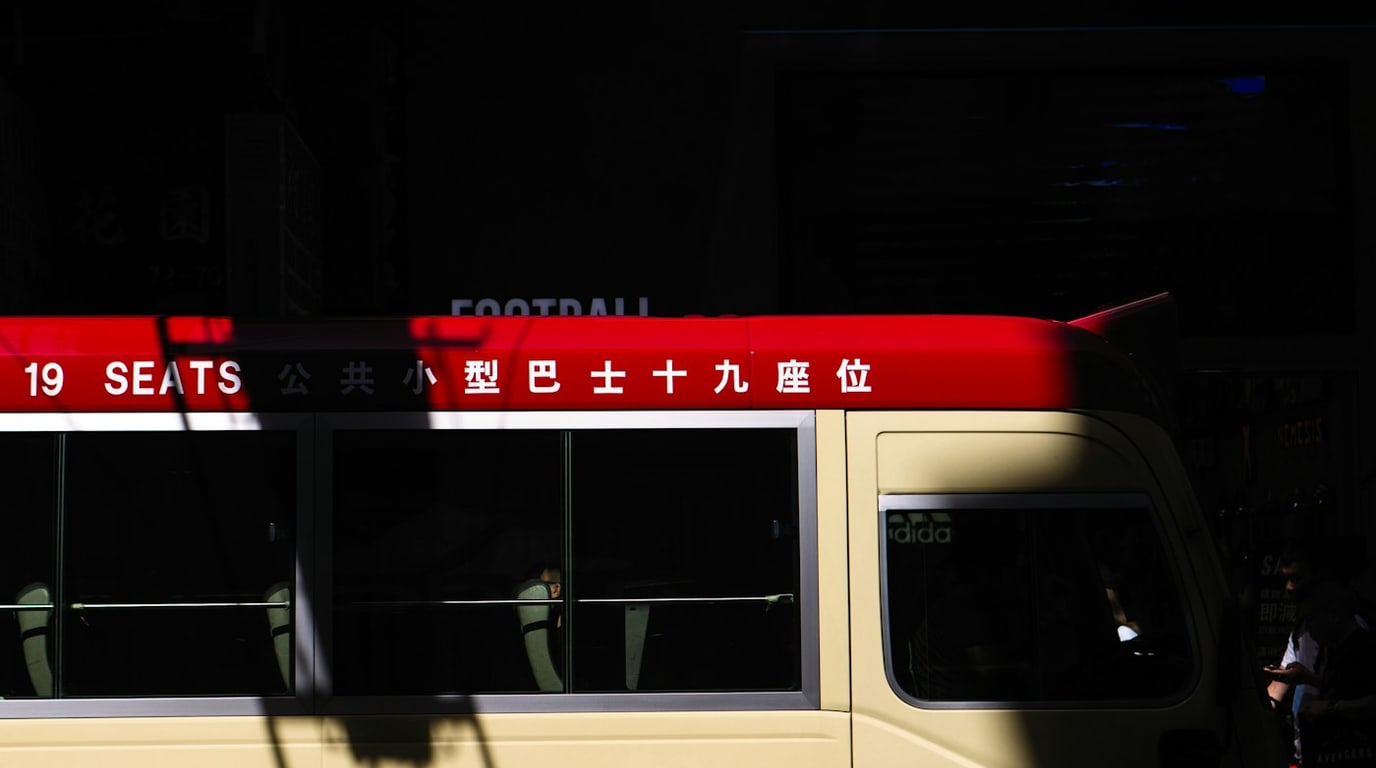
You do not need conversational Mandarin to travel independently in China. You do need a way to make six recurring tasks recoverable: show the right destination, understand a phone screen, order food, solve a ticket problem, explain a practical need, and escalate when the stakes are too high for an app.
That changes the goal. Do not chase one “best translation app.” Build a small language system in which each tool has one job and the critical information still exists when the network, camera, battery, or translation is wrong.
Use the right interface for the task
| What is in front of you | Best first move | Independent check |
|---|---|---|
| Printed menu, sign, label, or museum text | Camera translation | Photograph the original; translate a smaller crop if the layout is confused |
| QR menu or mini-program on your phone | Screenshot, then import the image | Confirm the selected item, quantity, spice level, and final price with staff |
| One short practical exchange | Type a short sentence and show the Chinese output | Ask the other person to type a reply; avoid long voice conversations |
| WeChat text message | Long-press and use Translate if your current build offers it | Copy important text into your installed translation app and retain the original |
| Restaurant, hotel, attraction, station, or entrance | Show a saved bilingual identity card | Match the Chinese name, city, address, and phone against the source or map result |
| Allergy, dosage, police, ambulance, or legal issue | Show a reviewed need card and ask for human help | Use official numbers or a staffed hotel, station, pharmacy, clinic, or hospital |
Voice mode is useful, but it is usually a worse default than typed text. A noisy station, regional accent, long sentence, or missed negation can corrupt the exchange without leaving a visible record. Type one request at a time; let the other person type back.
Set up and test before departure
Google officially supports downloaded languages and offline camera translation. Apple supports downloaded languages and an On-Device Mode, while warning that offline output can be less accurate.
Android or Google Translate
- Install or update Google Translate before the trip.
- Download English and Chinese (Simplified). If the app offers an upgrade for an existing pack, take it while you have reliable Wi-Fi.
- Save one Chinese menu screenshot and one address card.
- Turn on Airplane Mode and confirm you can translate typed text in both directions and import the screenshot.
- Find the large-text or full-screen result view so you are not handing someone a paragraph of controls.
iPhone
- In Translate, download both English and Chinese and enable On-Device Mode if you want the workflow to stay offline.
- In Camera or Photos, practise selecting Chinese with Live Text and choosing Translate.
- Test the same saved menu and address card in Airplane Mode.
- If your device offers newer live-translation features, treat them as a convenience, not the fallback; availability varies by model, language, region, and software version.
Do the whole test with mobile data and Wi-Fi off. Seeing a downloaded-language badge is not the same as completing the task you will need after landing.
Make every destination translation-proof
A place name is an identity problem, not a language problem. Never ask a model or translation app to invent the Chinese version of an English name. Resolve it from the official site, a provider listing, a ticket confirmation, or a reviewed guide, then save the identity intact.
English name:
Official Chinese name:
City:
District or neighborhood:
Branch, gate, entrance, terminal, or station exit:
Full Chinese address:
Phone:
Source and date checked:
Show this card to a driver or staff member and search the Chinese name plus city in AMap or Apple Maps. If the results contain several branches, compare the district, address, and phone; do not pick the first translated label. This is why China Travel Made Easy keeps the English and Chinese identity together when a guide or traveler video becomes a map pin.
For a hotel, add the reception phone and a screenshot of the provider booking in Chinese. For an attraction, add the exact entrance named on the ticket. For a rail trip, keep the station name and characters—“Shanghai” is not enough when the city has multiple major stations.
Read menus without pretending the translation is certainty
Chinese dish names are often idiomatic. A literal English rendering may identify neither the protein nor the allergen. Use this sequence:
- Capture the dish name, description, options, and price in one screenshot if possible.
- Translate the original screenshot; crop to the item if columns or decorative text are being mixed together.
- Check quantity, temperature, spice, add-ons, and the final order screen separately.
- For a preference, show a short request such as
不要辣—no spicy. - For an allergy, show a reviewed card naming the exact allergen and severity, then ask staff to confirm. A translated dish name is not an ingredient list and cross-contact still exists.
If the menu is embedded in WeChat or another mini-program, use the phone’s screenshot workflow rather than assuming the app exposes image translation. Keep the original visible so staff can point to the correct item. See the food and dietary guide before relying on a restriction card.
Use typed conversation as a shared scratchpad
Good translation requests are short, concrete, and verifiable:
- “Which entrance is open for foreign passport holders?”
- “Please type the platform number.”
- “Please confirm whether this contains peanuts.”
- “My booking uses this passport number.”
Avoid stacking conditions: “We booked online but changed passports and may be at the wrong gate” is four possible failures in one sentence. Show the booking, ask one question, and keep the reply on screen.
For a continuing WeChat exchange, long-press a text message and look for Translate. Menu labels and availability can vary by version. Treat the result as an online convenience; keep the original message and move consequential instructions into the dedicated offline translator or ask the hotel to confirm them.
Phrases designed to be shown, not performed
Pinyin helps you recognize a phrase, but a phone screen is more dependable than improvised pronunciation. Save the Chinese in large text.
| Need | Chinese to show | Pinyin |
|---|---|---|
| I don’t speak Chinese. Please type. | 我不会说中文。请打字。 | Wǒ bú huì shuō Zhōngwén. Qǐng dǎzì. |
| Please speak more slowly. | 请说慢一点。 | Qǐng shuō màn yìdiǎn. |
| Please write it down. | 请写下来。 | Qǐng xiě xiàlái. |
| Please point it out. | 请指一下。 | Qǐng zhǐ yíxià. |
| Please confirm this is… | 请确认这是…… | Qǐng quèrèn zhè shì… |
| Please take me to this address. | 请带我到这个地址。 | Qǐng dài wǒ dào zhège dìzhǐ. |
| Where is the toilet? | 厕所在哪里? | Cèsuǒ zài nǎlǐ? |
| Check, please. | 请结账。 | Qǐng jiézhàng. |
| No spicy food. | 不要辣。 | Bú yào là. |
| I have a severe allergy to… | 我对……严重过敏。 | Wǒ duì… yánzhòng guòmǐn. |
| I need a pharmacist. | 我需要药剂师。 | Wǒ xūyào yàojìshī. |
| Please call an ambulance. | 请帮我叫救护车。 | Qǐng bāng wǒ jiào jiùhùchē. |
Do not use 我不吃肉 (“I do not eat meat”) as a complete vegetarian or allergy card: stock, lard, seafood, oyster sauce, and cross-contact require more specific confirmation.
Build the offline card deck
Keep the cards in Photos or Notes, favorite the album, and share a copy with your travel partner:
- first hotel: official Chinese name, address, phone, nearest entrance, booking number;
- every day-one destination: bilingual identity and map screenshot;
- dietary need: reviewed Chinese wording with exact ingredients and severity;
- medicines: generic name, brand name, dose, prescription, and original packaging photograph;
- passport or ticket issue: booking name, old/new document details, channel, and support number;
- emergency card: insurer, emergency contact, hotel, embassy or consulate, and relevant medical facts;
- connectivity recovery: the support details from the internet guide.
Use Simplified Chinese for mainland China. If the same trip includes Hong Kong or Macau, also save important cards in Traditional Chinese where an official version exists; do not convert a proper name yourself.
When translation fails
- Shorten the sentence to one request and type it.
- Show the original photo, booking, ticket, product, or map result—not only the English output.
- Switch from voice to typed text so both sides can inspect the words.
- Ask the person to point, write a number, or select between two visible options.
- Move to staffed help: hotel reception, station service desk, attraction help window, pharmacy, clinic, or hospital.
- For a medical emergency in mainland China, call 120; for police assistance, call 110. Keep your Chinese location card ready before the call.
Battery failure defeats every phone-based layer. Carry a charged power bank, keep the first-hotel card on a travel partner’s phone, and print the most important address and medical card.
The useful outcome is not fluent conversation. It is arriving at the correct branch, understanding enough of the original evidence to act, and recognizing the moment when an app is no longer a safe decision-maker.
Frequently asked questions
- Can I travel independently in China speaking only English?
- Yes, with preparation, but not because English or an online translator will always be available. Routine travel becomes manageable when you carry offline translation, official Chinese place cards, screenshot workflows, and a human-confirmation path for high-stakes details.
- Does Google Translate work in China?
- Do not make the online service your only plan. Google officially supports downloaded languages and offline camera translation, so download both English and Simplified Chinese and test the exact workflow in Airplane Mode before departure. Online behavior still depends on the connection you use.
- Can an iPhone translate Chinese offline?
- Apple supports downloading both input and output languages and enabling On-Device Mode. Apple also warns that offline translations may be less accurate, so use the feature for routine tasks and confirm important names, ingredients, or instructions independently.
- How do I translate a QR-code menu on my own phone?
- Open the menu, take screenshots of the item name, description, options, and final order screen, then import those images into Google Translate or use iPhone Live Text. Translate one screen at a time and ask staff to confirm dietary restrictions instead of inferring them from a dish name.
- Should I translate an English attraction or restaurant name into Chinese?
- No. A translated proper noun can point to the wrong branch or no real POI at all. Save the place's official Chinese name, city, branch or entrance, full address, phone, and source; use translation only to understand the surrounding instructions.
- Is machine translation safe for allergies or medical problems?
- Not as the only source. Prepare a reviewed written card for the exact allergen or condition, keep medicine names and doses in their original form, and get human confirmation. For an emergency in mainland China, the State Council lists 120 for first aid or ambulance and 110 for police.
Sources checked
We use official or first-party sources for rules and fast-changing product details. Community reports shape the failure-mode advice, not the underlying policy.
- Google Translate Help — translate text, images, handwriting, or speech
Checked July 12, 2026
- Google Translate Help — download languages for offline use
Checked July 12, 2026
- Apple iPhone User Guide — translate text in apps, Camera, and Photos
Checked July 12, 2026
- Apple iPhone User Guide — download languages and use On-Device Mode
Checked July 12, 2026
- Apple iPhone User Guide — use Live Text with photos and the camera
Checked July 12, 2026
- State Council — 2025 guide to working and living in China
Checked July 12, 2026