China Travel Made Easy
All destinations

City

Shenzhen

Migration, design, border crossings, villages, and a polycentric coast

Shenzhen is most rewarding when you read the city as a chain of arrivals—from Xin’an county and fishing settlements to factories, migration, design, and cross-border infrastructure—not as a blank skyline or a Hong Kong shopping day.

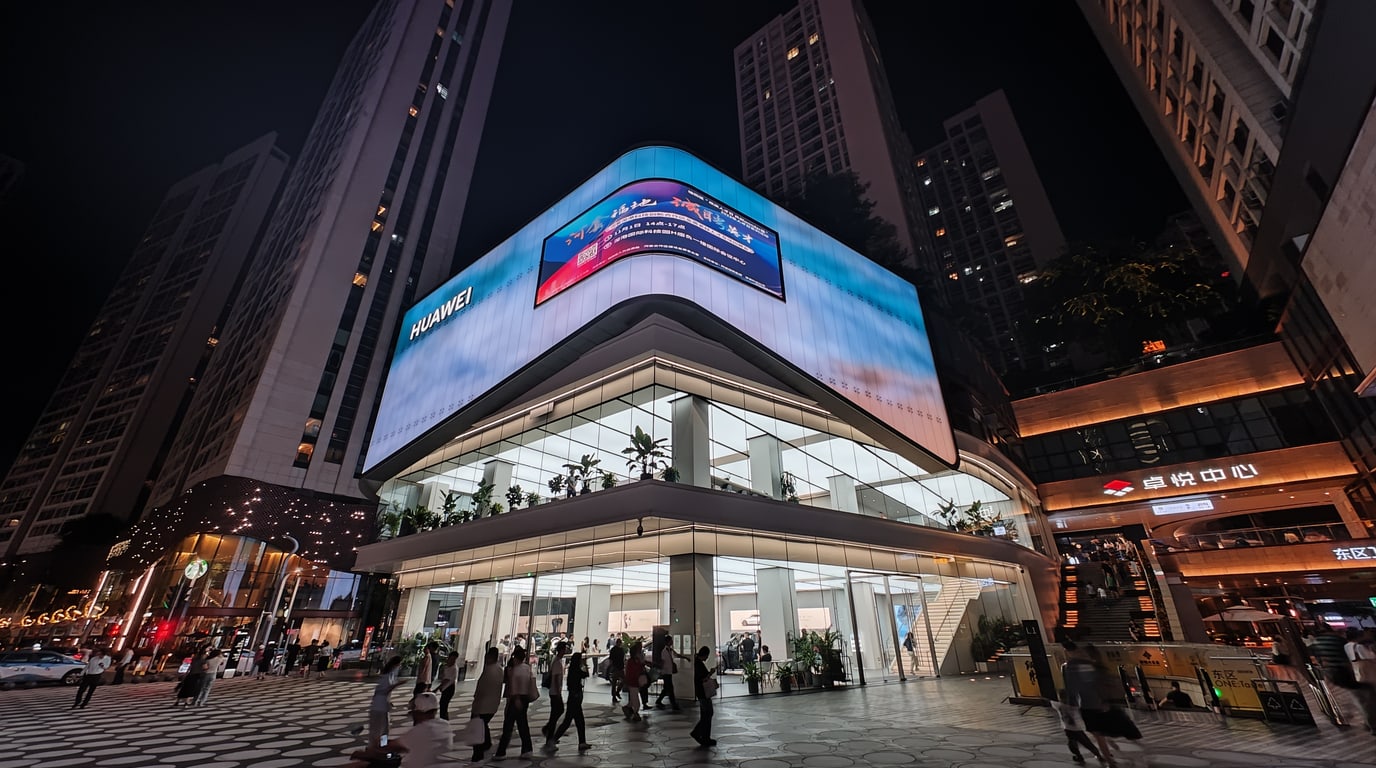
Smartphone flagship store in Shenzhen
Cover source: Huawei Store at One Avenue in Shenzhen

Destination digest

Shenzhen, beyond the checklist

Shenzhen is not one downtown and it is not a city without history. Build the trip across three urban chapters: Futian’s reform-era civic center, older Nanshan and port-facing Shekou, then one production landscape such as Dafen. The border crossing, rail station, and neighborhood you choose determine the route more than a ranked attraction list.

Useful minimum
Three days: Futian civic history, Nantou plus Shekou, and one production landscape such as Dafen
Best first base
Futian for a mixed first trip; Nanshan or Shekou for western city days; Luohu for the eastern border and routes
Distance rule
Futian, Nanshan, Shekou, Luohu, Longgang, the airport, and Shenzhen North are separate planning zones
Border identity
福田口岸 is the mainland side of Lok Ma Chau Spur Line; it is not Huanggang or Futian Railway Station
Market rule
Resolve the building, floor, stall, product, test, warranty, and return terms before buying electronics
Airport rule
Use 深圳宝安国际机场T3航站楼 and Line 11 Airport (T3), not the legacy-sounding Airport East station

Start with the city Shenzhen says it became

Begin at the Shenzhen Reform and Opening-Up Exhibition Hall inside the Museum of Contemporary Art and Urban Planning. The nested identity matters: this is not the Shenzhen Museum History and Folk Culture branch on Jintian Road, nor every temporary exhibition in the shared MoCAUP building. Continue across the Civic Center axis, then enter Lianhua Hill Park from the south and climb only if the weather and energy make the city view useful. Together the hall, public square, and park explain planning, political memory, and the scale of Futian better than a skyscraper observation deck.

Day one: use Futian as a civic route, not a mall circuit

Give the exhibition hall enough time to understand the special economic zone, labor migration, housing, infrastructure, and the city’s compressed growth. Cross the public Civic Center space, then take the south route into Lianhua Hill Park for the summit plaza or stay with the lawns and lower paths in heat or rain. Huaqiangbei can be an evening commerce stop, but “the electronics market” is not one store: a useful buying recommendation needs the Chinese building, floor, stall, product, testing method, warranty, and return terms.

Day two: separate old Nanshan from port-era Shekou

Start at the Nantou Ancient Town Museum outside the south gate, then walk through the gate and use the old county history to read temples, walls, institutions, rebuilt lanes, and contemporary businesses without pretending every surface is ancient. Shekou is a separate metro ride, not the next block. At the Sea World Culture and Arts Center, choose the current exhibition before paying and use the waterfront and industrial-port context as the wider visit. Sea World station, the arts center, and Shekou Cruise Homeport are three different destinations.

Day three: let Dafen explain production and authorship

Dafen is useful because it complicates the easy “creative city” story. Begin at Dafen Art Museum for the village’s shift from export reproduction and workshop labor toward original practice, then enter the surrounding public lanes with a clearer view of what galleries, frame shops, studios, and painters are doing. Do not treat the residential-production district as a theme park or photograph workers and interiors without consent. A commissioned portrait or artwork needs a named studio, size, medium, price, completion time, pickup or shipping plan, and evidence of which artist will make it.

Eat like this is a migrant city, not a cuisine vacuum

Shenzhen’s food map is Cantonese, Hakka, Chaoshan, Hunan, Sichuan, Dongbei, and much more because the city was built by repeated migration. That makes “local Shenzhen food” a weak search instruction, not proof that the city lacks food culture. Choose a neighborhood and meal format first, then resolve the exact Chinese restaurant branch, mall level, serving period, queue method, and dietary constraints. A Dianping list or short video is evidence for discovery; it is not a branch match by itself.

Choose the base from the border and the west-east day split

Futian is the strongest first base for a short mixed trip, fast West Kowloon rail, and the civic-center day. Nanshan or Shekou works better when Nantou, design, the coast, or an airport-side arrival dominates. Luohu is useful for Luohu Checkpoint, Dongmen, and eastern routes, but it is no longer the geometric center of what most visitors save. Shenzhen North Railway Station is an excellent national rail hub and a poor default hotel area unless an early departure is the reason. Save the hotel’s Chinese branch and the exact arrival station or port before booking the transfer.

Treat every Hong Kong crossing as a different transport product

Futian Checkpoint connects on foot to Hong Kong’s Lok Ma Chau Spur Line and currently operates 06:30–22:30; those two names describe opposite sides of the same crossing. Luohu connects to Lo Wu, Shenzhen Bay uses road and metro access with passenger clearance currently ending at midnight, and cross-border high-speed rail clears at Hong Kong West Kowloon before reaching Futian or Shenzhen North. Airport arrivals use Bao’an Terminal 3 and Metro Line 11’s Airport (T3) station—not Line 1’s Airport East. Check the live port, ticket, last connection, visa or entry basis, and post-clearance ride before leaving either side.

Places worth building around

The anchors in this digest

Each place keeps the reason it belongs in the day. Full digests also preserve the local name, exact branch or entrance, and a checked execution query.

Futian nested civic-history venue

Shenzhen Reform and Opening-Up Exhibition Hall

深圳改革开放展览馆(深圳市当代艺术与城市规划馆内)

01

This exhibition hall is the most useful first reading of the city’s compressed reform-era growth, migration, planning, housing, work, and infrastructure. Its nested identity prevents a visitor from being sent to the Shenzhen Museum History and Folk Culture branch on Jintian Road or to an unrelated temporary exhibition elsewhere in the shared MoCAUP building.

The current summer notice extends this specific hall to 10:00–21:00 Tuesday–Sunday through 31 August 2026, with last entry at 20:30. Outside that period, recheck the venue’s current schedule and exhibition access; do not generalize one hall’s hours to every institution in the building.

深圳市福田区福中一路184号,深圳市当代艺术与城市规划馆内

Futian civic-axis park entrance and weather recovery

Lianhua Hill Park south gate

莲花山公园南门

02

The south gate continues naturally from the Civic Center and fixes a sensible approach through the lower lawns toward the summit plaza. Saving an entrance matters because the 181-hectare park has several edges, and a generic center pin can turn a short city-view walk into an unnecessary road or hillside detour.

Official park guidance currently lists 06:00–23:00 with entry closing at 22:30. The summit is optional: in heat, thunderstorms, or low visibility, keep the lower park as the recovery route and use the metro-side south exit instead of forcing the climb for a skyline photograph.

深圳市福田区红荔路6030号,莲花山公园南门

Nanshan county-history anchor and old-town route start

Nantou Ancient Town Museum at the south gate

南头古城博物馆(南门外)

03

The museum sits outside the surviving south gate and gives the Xin’an county, coastal-defense, Shenzhen–Hong Kong, and long urban-history context needed before entering the restored commercial lanes. This combined identity keeps a small historical museum and a broad “ancient town” entertainment search from silently substituting for one another.

The municipal venue page lists Tuesday–Sunday 10:00–17:00 with last entry at 16:30 and Monday closure outside major holidays. Begin here, then cross the south gate and choose only a few public sites; businesses, workshops, and food inside the district need their own current Chinese identities.

深圳市南山区深南大道12036号,南头古城南门外西南侧

Shekou design, exhibition, and waterfront anchor

Sea World Culture and Arts Center

海上世界文化艺术中心

04

This is the exhibition and design institution on the Shekou waterfront, not the Sea World commercial district, Metro station, Minghua ship, or Shekou Cruise Homeport. Its galleries and public water edge make a coherent port-era and contemporary-design visit when the current exhibition is chosen deliberately.

The venue is currently listed as open daily 10:00–22:00, while exhibition halls have shorter weekday and weekend schedules and individual tickets. Check the live exhibition before paying, and keep any ferry departure attached to Shekou Cruise Homeport rather than this arts-center pin.

深圳市南山区蛇口望海路1187号

Longgang painting-production and authorship anchor

Dafen Art Museum

大芬美术馆

05

The museum is the fixed public institution inside Dafen’s working painting district. Its exhibitions help distinguish export reproduction, workshop labor, frame and gallery commerce, and the growth of original practice before a visitor enters the surrounding lanes or commissions an artwork.

Current municipal guidance lists 09:30–17:30 with Monday closure; another standing city directory lists a slightly wider window, so verify the latest notice. Treat studios as workplaces, ask before photographing, and record the named artist, medium, dimensions, price, completion date, and delivery terms for a commission.

深圳市龙岗区布吉街道大芬油画村内

Mainland side of the Lok Ma Chau Spur Line crossing

Futian Checkpoint

福田口岸

06

This is the Shenzhen pedestrian checkpoint connected by enclosed bridge to Hong Kong’s Lok Ma Chau Spur Line control point. Keeping both side-specific names prevents it from collapsing into nearby Huanggang Checkpoint, Futian Railway Station, or the Lok Ma Chau road crossing—different transport products with different procedures and last connections.

The Shenzhen Port Office currently lists passenger operation from 06:30 to 22:30. Confirm the live entry basis and closing time, then save the post-clearance metro or MTR route on both sides; do not arrive at the cutoff expecting a taxi to cross the pedestrian bridge with you.

深圳市福田区裕亨路,福田保税区东侧
Guide matches

Start with these guides

These are the current China Travel Made Easy guides most relevant to planning Shenzhen. Start here for the logistics that affect cost, comfort, and avoidable mistakes before the route gets specific.

Destination QA

Answers for planning Shenzhen

What is Shenzhen best for on a China trip?

+

Shenzhen is best for migration, design, border crossings, villages, and a polycentric coast. Shenzhen is most rewarding when you read the city as a chain of arrivals—from Xin’an county and fishing settlements to factories, migration, design, and cross-border infrastructure—not as a blank skyline or a Hong Kong shopping day.

Where should travelers start in Shenzhen?

+

Start with Shenzhen Reform and Opening-Up Exhibition Hall in Futian nested civic-history venue, Lianhua Hill Park south gate in Futian civic-axis park entrance and weather recovery, Nantou Ancient Town Museum at the south gate in Nanshan county-history anchor and old-town route start, Sea World Culture and Arts Center in Shekou design, exhibition, and waterfront anchor, Dafen Art Museum in Longgang painting-production and authorship anchor, Futian Checkpoint in Mainland side of the Lok Ma Chau Spur Line crossing. These are useful first pins before adding nearby food, transit, and stay ideas.

Which guides should I read before visiting Shenzhen?

+

Start with China's High-Speed Trains: Booking on 12306 or Trip.com as a Foreigner, China Maps, Didi, and Metro: Get the Right Pin, Exit, and Pickup, Internet in China: Verify Your eSIM, Roaming, Wi-Fi & App Access. These guides cover the practical setup and decisions most relevant to this destination.

Can I save Shenzhen recommendations from posts or screenshots?

+

Yes. Use Save Places to paste the caption, OCR text, note, or place list, then review the bilingual identities before creating AMap or Apple Maps handoffs. A bare social URL is not fetched by the static prototype.