Read the layers before arranging the attractions
The Ming city survives most clearly in the wall, Zhonghua Gate, and the imperial tomb landscape on Zhongshan Mountain. The Republican capital is spatially different: the Presidential Palace, former institutions, residences, and ceremonial routes sit through the central and eastern city. The Memorial Hall addresses the Nanjing Massacre through a separate museum and memorial landscape. 南京博物院 then widens the frame from one city to Jiangsu archaeology, art, folk culture, and the Republican period. A useful trip moves between these layers deliberately instead of calling all of them “ancient Nanjing.”
Arrival: keep South Station and Nanjing Station apart
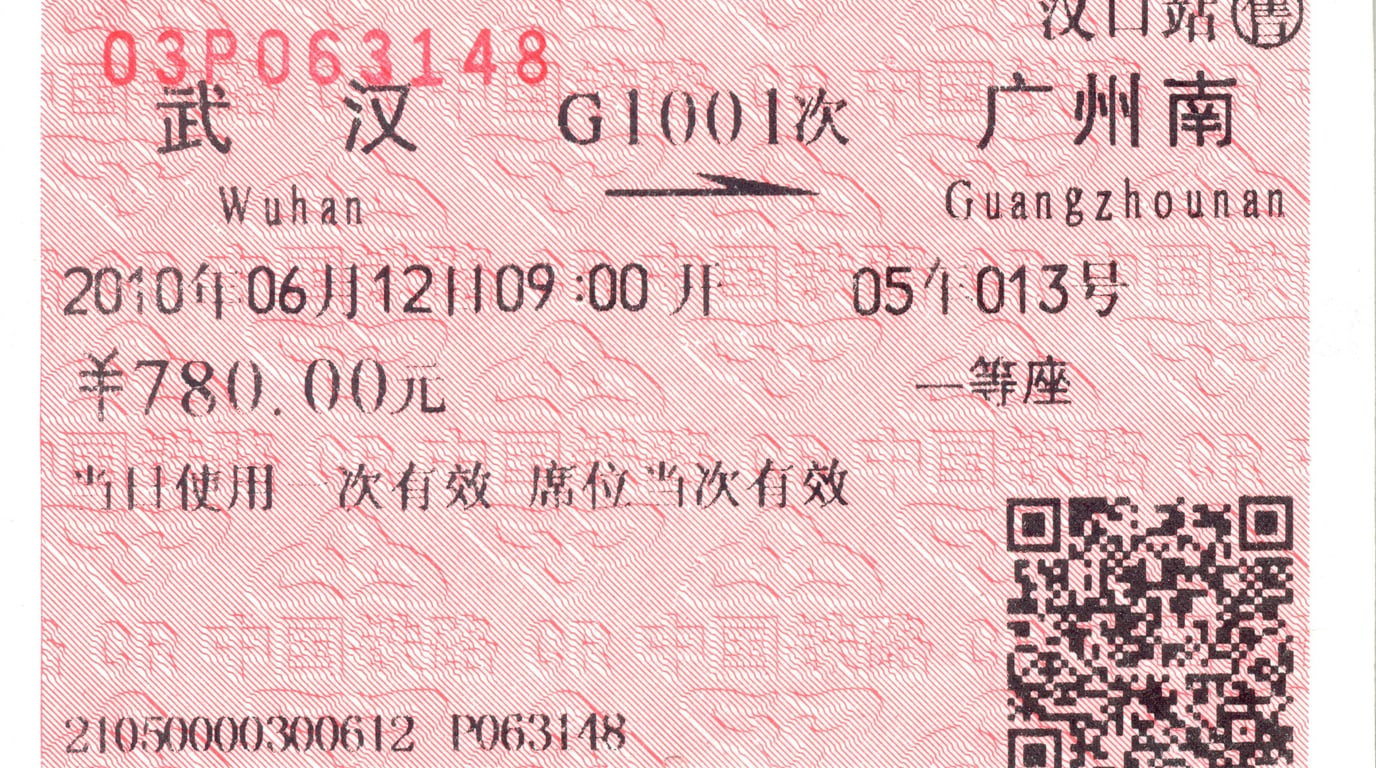
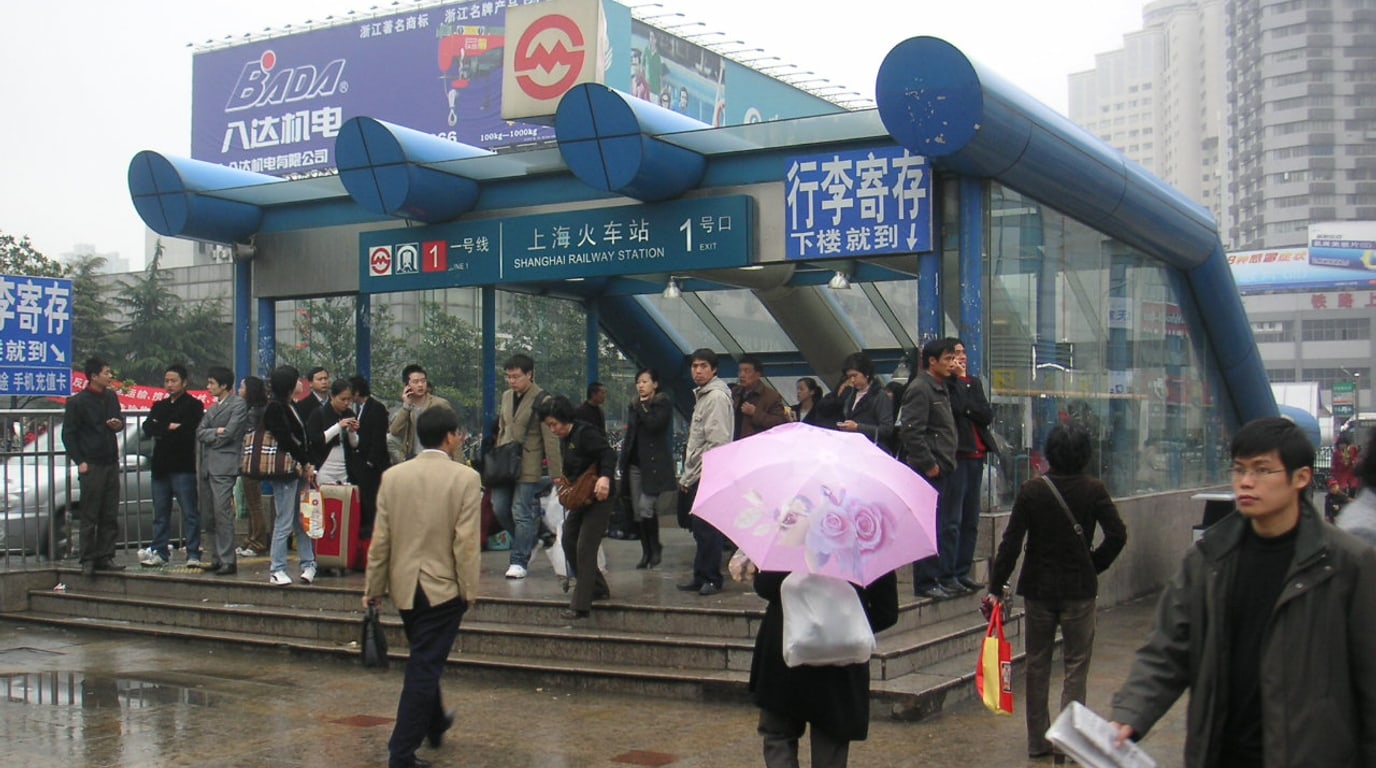
Most high-speed arrivals use 南京南站, south of the historic center, where Metro Lines 1 and 3 reach the old city and S1 reaches Lukou Airport. 南京站 is a different rail and metro complex beside Xuanwu Lake. Confirm the Chinese station on the 12306 ticket before choosing a hotel transfer. For a first visit, Xinjiekou or Daxinggong makes the central museum, Presidential Palace, Memorial Hall, old south, and Line 2 mountain days easier; choose the Fuzimiao area only if its evening atmosphere matters more than a balanced cross-city base.
Day one: let the provincial museum establish the scale
Reserve 南京博物院 rather than assuming an English search result for “Nanjing Museum” points to the right institution. Its six-hall complex can carry most of a morning or longer; choose archaeology and history first, then add art, digital, folk, or Republican-era displays according to energy. The museum is free but demand is controlled through the official reservation channel. Afterward, continue west toward the Presidential Palace and Daxinggong only if the current ticket, closure, and walking time fit. The municipal Nanjing Museum at Chaotian Palace is another institution for another day.
Day two: treat Zhongshan Mountain as adjacent systems
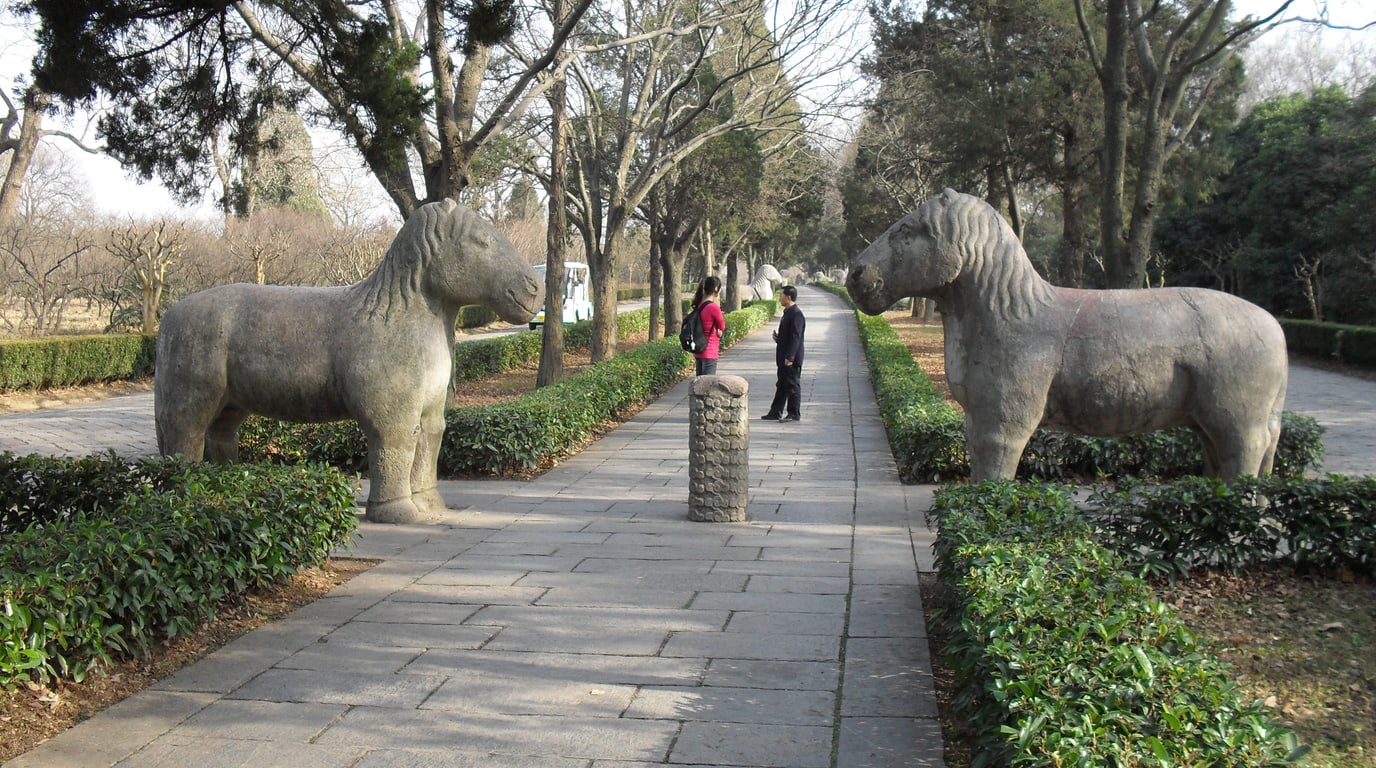
中山陵 and 明孝陵 share the mountain but not one admission rule. Sun Yat-sen’s Mausoleum is free with a required online reservation and normally closes Monday for maintenance; the tomb chamber itself is not open. Ming Xiaoling is a separate real-name paid World Heritage landscape. Enter the latter at 明孝陵景区3号门 from Muxuyuan for Yanque Lake, seasonal planting, Stone Elephant Road, and the longer tomb route, then use the current walk or official internal transport toward the mausoleum only when the remaining time and reservation allow. Music Stage, Linggu, and Meiling Palace are additional products, not automatic inclusions.
Day three: give the Memorial Hall the day’s emotional center
Reserve the 南京大屠杀史实展 at Gate 1 and approach it as a memorial, archive, and burial-site landscape rather than a conventional attraction. The adjacent “Three Victories” exhibition and the Lijixiang former comfort-station site near Daxinggong each require a separate reservation; proximity or a shared institutional name does not combine them. The standard visitor system opens reservations one to seven days ahead and accepts passports. The current summer 2026 notice extends the history exhibition to 18:00 through September 1, but the usual schedule and Monday closure return outside that notice. Plan a quiet meal, riverside walk, or hotel pause afterward rather than forcing an entertainment stop into the same hour.
Use Zhonghua Gate to understand the wall, then enter old south slowly
Start at 南京城墙中华门瓮城景区, where the layered barbican explains the defensive system before you walk the paid Dongshuiguan–Jiqingmen wall section. The Nanjing City Wall Museum beside it is a separate indoor visit with its own opening pattern. From the gate, continue into the old-south lanes and toward Laomendong or Fuzimiao as public-street time, but save any temple, examination museum, boat, restaurant, or performance as its own current identity. Qinhuai lights are an evening atmosphere, not evidence that every venue in the district is one attraction.
Reservations are a dependency map, not one city pass
Keep five independent records: the free timed Nanjing Museum slot; the free Sun Yat-sen Mausoleum reservation; the paid real-name Ming Xiaoling ticket; the free Memorial Hall history-exhibition reservation; and the paid Zhonghua Gate wall section. Preserve the booked identity, passport, date, time, venue or exhibition, and entrance in the same map note. Do not buy “guaranteed” free tickets: both Nanjing Museum and the Memorial Hall warn against unofficial intermediaries, and high-demand availability is not permission to change the visitor name or venue.
Build recovery around Mondays, heat, rain, and holiday controls
Nanjing summer heat and humidity make the mountain, wall, and long museum days materially harder. Put the mountain or wall first in the morning, carry water, and retain an indoor or hotel pause. Monday can remove the mausoleum, museums, and memorial exhibitions from the same plan, so use public wall views, Xuanwu Lake, a bounded neighborhood walk, or arrival logistics instead of searching for unofficial access. During holidays, Zhongshan Mountain changes vehicle access, shuttle stops, and crowd routing; use the newest official notice and the named metro entrance rather than an old social-video pickup point.