China Travel Made Easy
All destinations

City

Suzhou

Garden rooms, canal-side streets, Wu culture, and an old city that rewards comparison over collection

Suzhou works when its gardens, water-and-street grid, rail stations, museum reservations, and separate water-town excursions stop being marketed as one easy Shanghai day trip.

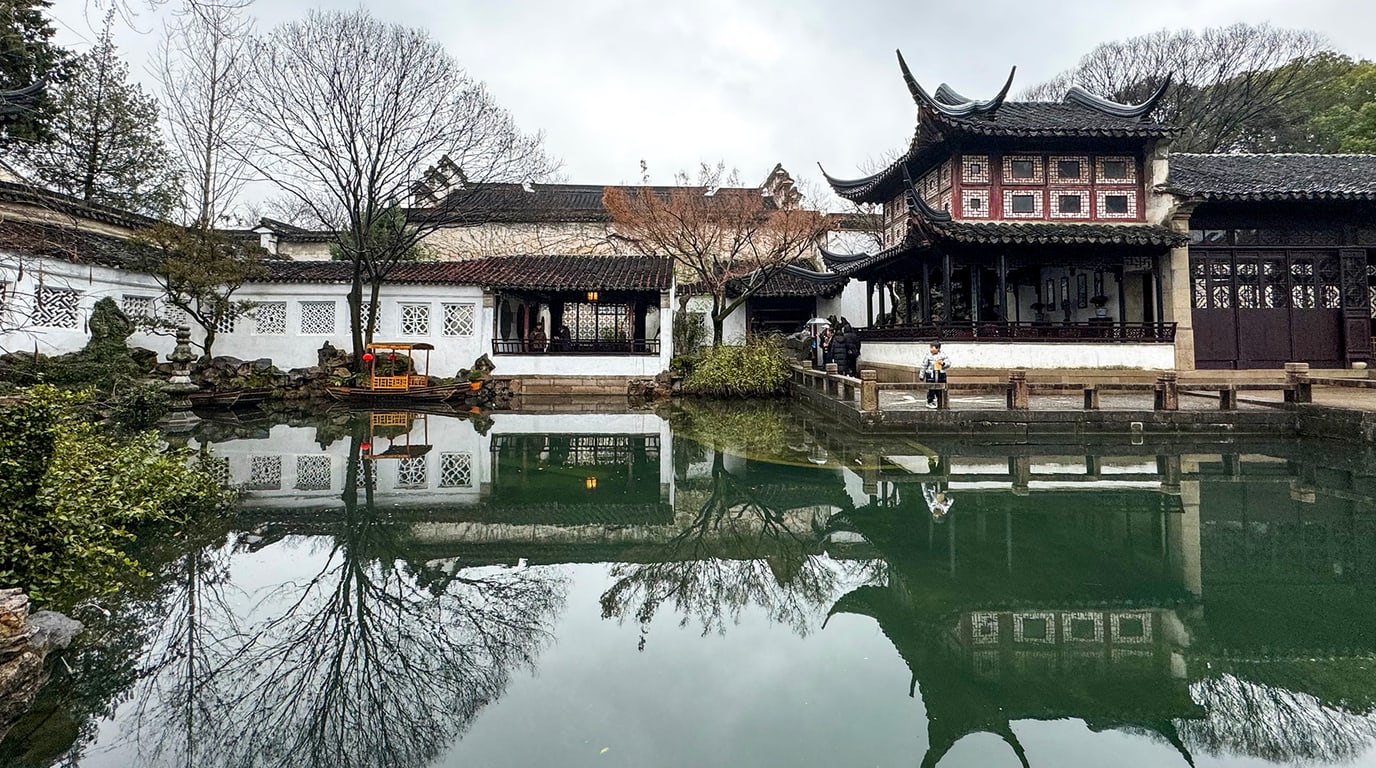
Covered walk, water, and planted rooms inside Lingering Garden in Suzhou
Cover source: Lingering Garden in Suzhou

Destination digest

Suzhou, beyond the checklist

Suzhou is not a row of interchangeable gardens beside a canal. The old city still carries a parallel water-and-street structure; private gardens compress landscape, art, and domestic life into different kinds of rooms; Tiger Hill holds an older public history; and the modern rail and metro system decides whether any of that becomes a coherent trip.

Useful minimum
Two full days; add a third for Lingering Garden and Tiger Hill, then a fourth only for a water town
Best first base
Gusu District inside or just outside the moat, with a simple metro or walk to the old city
Rail rule
苏州站 is central; 高铁苏州北站, 苏州园区站, and 苏州新区站 are different arrivals
Garden rule
Choose one large and one small garden for contrast; preserve each timed ticket and exact entrance
Museum rule
苏州博物馆本馆 needs a separate seven-day timed reservation and passport; Monday is the normal closure
Recovery rule
Keep the old-city street-and-canal walk, a smaller garden, or an indoor pause ready when weather, crowds, or sold-out slots change the day

First separate Suzhou city from the places sold under its name

The historic core sits inside and around the old moat in Gusu District. Suzhou Industrial Park and Jinji Lake are the modern eastern city, while Tongli, Zhouzhuang, Mudu, and the Taihu towns are separate excursions with their own tickets and return transport. Suzhou North railway station is also well outside the old center. Choose a Gusu base for a first visit, then add a water town only when the city has at least two unhurried days.

Learn one garden’s grammar before collecting names

UNESCO describes Suzhou’s gardens as miniature natural landscapes built from water, stone, plants, architecture, calligraphy, furniture, and carefully borrowed views. The useful pleasure is comparison: Humble Administrator’s Garden opens into a broad water-centered composition; the Master-of-the-Nets Garden compresses residence and garden into a much tighter sequence; Lingering Garden uses covered walks, framed spaces, buildings, and stone to keep changing scale. Two contrasting gardens teach more than four rushed admissions.

Arrival: book the train station that matches the old city

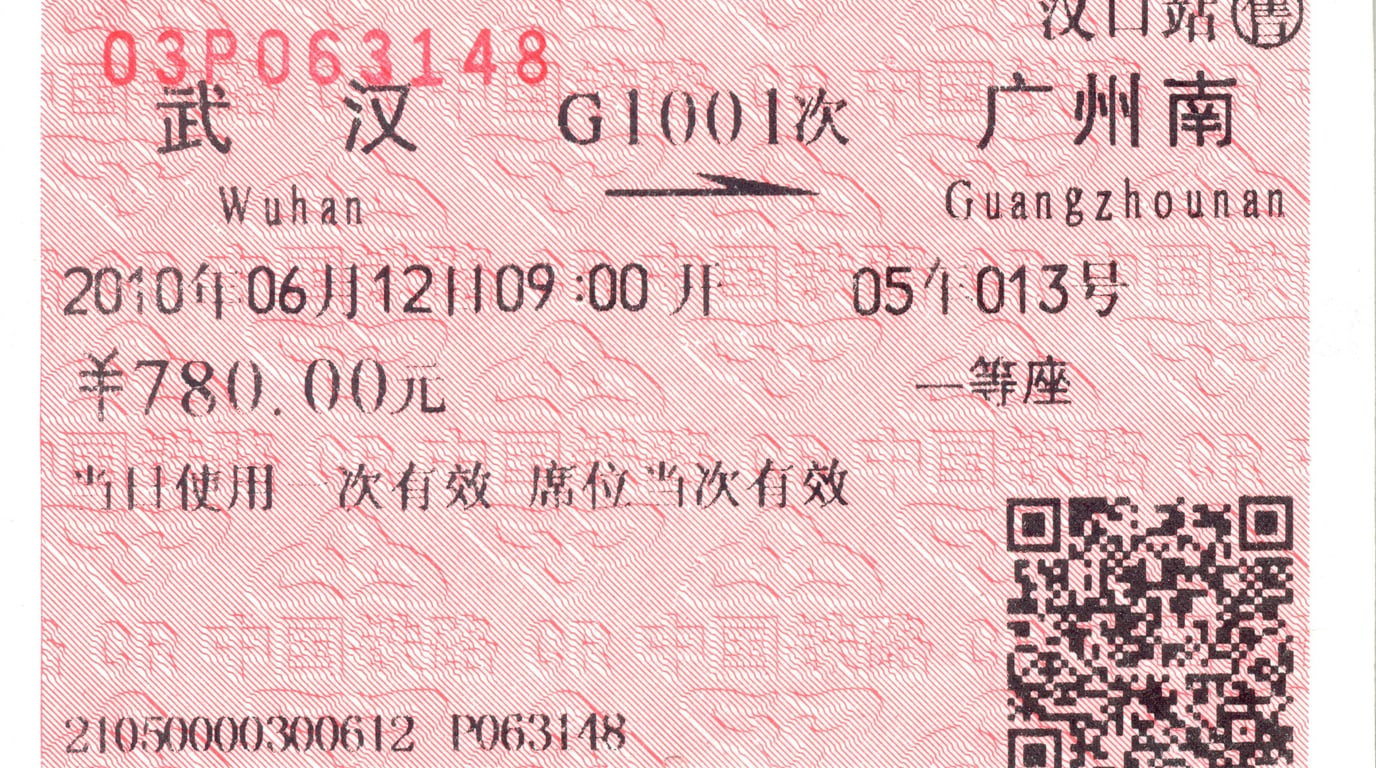
苏州站 sits just north of the moat and connects directly to metro Lines 2 and 4; it is the simplest arrival for a Gusu hotel. 高铁苏州北站 is a different station on Line 2, useful for some Beijing–Shanghai high-speed services but much farther from the old city. Suzhou Industrial Park and Suzhou New District have their own stations too. Check the Chinese station name on the ticket, keep the hotel address offline, and leave large luggage before entering narrow gardens or canal lanes.

Day one: reserve two neighbors separately, then walk south

Take Line 6 to 拙政园苏博站 and use an early timed entry for 拙政园. The current summer experiment opens the garden at 06:45 through October 7, but the normal official hours remain the fallback outside that notice. 苏州博物馆本馆 next door is a separate free reservation, released seven days ahead, with its own passport check and Monday closure. After the museum, walk into the Pingjiang historic district and follow the lane-and-canal grid south rather than turning the afternoon into another paid garden.

Day two: choose intimacy, then give the living city time

Use 网师园 for the counterpoint to the large first-day garden: its small residence-and-pool composition makes thresholds, windows, reflected light, and room proportions easier to read. Continue through Shiquan Street or toward Canglang Pavilion and the old-city moat, but keep shops, cafes, and performance venues as separate current choices rather than timeless heritage claims. The seasonal night garden is a timed performance product, not ordinary daytime admission; book it only if the current program and return plan are explicit.

Day three: put Lingering Garden and Tiger Hill on one western arc

留园 is the stronger second large garden when buildings, covered corridors, stone, and spatial compression interest you. Continue north to 虎丘山风景名胜区南门 for a public hill landscape tied to Suzhou’s older history and the leaning Yunyan Pagoda. Line 6 now makes Tiger Hill easier from the city, and official holiday buses sometimes connect the garden and hill clusters, but temporary traffic controls and event shuttles are not permanent services. Recheck the current route instead of saving a tour-bus parking lot as the entrance.

Treat reservations as seven different rules, not one city pass

Suzhou removed real-name reservations from most A-level attractions and cultural venues in 2024, but kept them for Humble Administrator’s Garden, Lingering Garden, Tiger Hill, Lion Grove, Zhouzhuang, Tongli, and Suzhou Amusement Land. The museum main building separately keeps full timed reservation while its West building and several municipal museums allow a queue. Preserve the booked visitor identity, passport, date, time, building, and entrance; never assume a garden ticket includes the museum next door or another UNESCO garden.

Keep heat, rain, crowds, and closures from erasing the point

Garden paths, thresholds, rockwork, bridges, and narrow covered walks become tiring and congested in heat or rain. Put the most important reserved garden first, carry water, and keep a museum, teahouse, or hotel pause rather than forcing every ticket. If the museum is closed Monday, use a smaller garden or the old-city route; if a garden slot sells out, choose a different garden type instead of an unauthorized resale. A canal cruise or water town should be removable without breaking the city days.

Places worth building around

The anchors in this digest

Each place keeps the reason it belongs in the day. Full digests also preserve the local name, exact branch or entrance, and a checked execution query.

Central rail arrival north of the old-city moat

Suzhou Railway Station

苏州站

01

This is the central station on metro Lines 2 and 4, not Suzhou North, Suzhou Industrial Park, Suzhou New District, or the newer stations elsewhere in the municipality. Saving the exact rail arrival keeps a Shanghai day trip or overnight handoff close to Gusu District and prevents the first hour from becoming a cross-city correction.

Check 苏州站 on the 12306 ticket before departure, use the signed metro interchange, and store large luggage at the hotel or a confirmed station service before entering gardens. If the train actually uses 高铁苏州北站, keep the Line 2 transfer and extra time instead of asking a driver for a generic “Suzhou station.”

苏州市姑苏区苏站路27号,苏州站

Northeast old city garden reservation

Humble Administrator’s Garden entrance

拙政园入口(东北街178号)

02

The entry at Northeast Street belongs to the paid World Heritage garden, not the neighboring Suzhou Museum, the garden museum, Lion Grove, or the broad pedestrian zone. The identity matters because a timed garden ticket and a free museum reservation remain separate even when their entrances appear in the same crowded cluster.

Reserve the named visitor and time through the official Suzhou garden channel, carry the same passport, and use the early slot when available. Walk the main water-centered composition before the narrow routes fill; if the slot sells out, choose another garden type rather than buying an unofficial transfer or assuming the museum booking grants entry.

苏州市姑苏区东北街178号,拙政园入口

Northeast Street museum reservation

Suzhou Museum main building

苏州博物馆本馆

03

The I. M. Pei-designed main building is the museum beside Humble Administrator’s Garden. It is not Suzhou Museum West at 长江路399号, the Folk Customs Museum, or the Zhongwang Mansion area, and its current full-reservation policy differs from those other buildings. Saving “本馆” protects the collection, architecture, and passport slot as one exact visit.

Reserve up to seven days ahead through the official museum channels, arrive inside the timed window with the original passport, and leave large luggage at the service center opposite the main entrance. Monday is the normal closure; when it is closed or sold out, keep the old-city walk and move museum time rather than substituting the distant West building without checking the route.

苏州市姑苏区东北街204号,苏州博物馆本馆

Compact residential garden south of the old center

Master-of-the-Nets Garden

网师园

04

This small World Heritage residence and garden is the useful counterpoint to Humble Administrator’s Garden: rooms, thresholds, windows, a central pool, and borrowed views compress the same garden language into a domestic scale. It is not Lion Grove, Canglang Pavilion, or a generic “Suzhou garden” pin.

Visit in daylight unless a separately booked seasonal night-garden performance is the actual plan. The night product has timed groups, a different price, and a guided performance sequence; do not let a short-video clip of Kunqu or pingtan imply that the ordinary daytime ticket includes an evening show.

苏州市姑苏区阔家头巷11号,网师园

Western old-city garden reservation

Lingering Garden entrance

留园入口(留园路338号)

05

Lingering Garden is a separate World Heritage garden west of the old center, known for its covered routes, architectural spaces, inscriptions, and stone composition. The exact entrance prevents the similarly named road, nearby parking areas, tourist buses, and garden-wide search result from replacing the real-name timed ticket at the gate.

Reserve the official time before pairing it with Tiger Hill, then let the covered corridors and changing room scales set the pace. If crowds or rain slow the visit, keep Lingering Garden as the day’s main garden and drop a second paid interior; temporary holiday buses should be rechecked rather than treated as an everyday connection.

苏州市姑苏区留园路338号,留园入口

Historic hill and pagoda entrance northwest of the old city

Tiger Hill Scenic Area South Gate

虎丘山风景名胜区南门

06

The South Gate is the standard visitor entrance for the route toward Sword Pool and Yunyan Pagoda. It is not Tiger Hill metro station, the North Gate, the district named Huqiu, a parking-lot shuttle stop, or the wetland park. Saving the gate keeps the paid hill landscape and its one-direction walking plan distinct from the transfer.

Use Line 6 to 虎丘站 and follow the signed approach, or confirm the current holiday shuttle before relying on it. Reserve the named ticket when required, check the seasonal last entry, and decide whether to exit the same gate; temporary traffic controls can move pickups, so keep the metro return as the recovery path.

苏州市姑苏区虎丘山门内8号,虎丘山风景名胜区南门
Guide matches

Start with these guides

These are the current China Travel Made Easy guides most relevant to planning Suzhou. Start here for the logistics that affect cost, comfort, and avoidable mistakes before the route gets specific.

Destination QA

Answers for planning Suzhou

What is Suzhou best for on a China trip?

+

Suzhou is best for garden rooms, canal-side streets, Wu culture, and an old city that rewards comparison over collection. Suzhou works when its gardens, water-and-street grid, rail stations, museum reservations, and separate water-town excursions stop being marketed as one easy Shanghai day trip.

Where should travelers start in Suzhou?

+

Start with Suzhou Railway Station in Central rail arrival north of the old-city moat, Humble Administrator’s Garden entrance in Northeast old city garden reservation, Suzhou Museum main building in Northeast Street museum reservation, Master-of-the-Nets Garden in Compact residential garden south of the old center, Lingering Garden entrance in Western old-city garden reservation, Tiger Hill Scenic Area South Gate in Historic hill and pagoda entrance northwest of the old city. These are useful first pins before adding nearby food, transit, and stay ideas.

Which guides should I read before visiting Suzhou?

+

Start with China Attraction Tickets: Passport Booking, Release Windows & Sold-Out Recovery, China's High-Speed Trains: Booking on 12306 or Trip.com as a Foreigner, China Neighborhood Walks: Public Routes, Residential Boundaries & Reliable Exits. These guides cover the practical setup and decisions most relevant to this destination.

Can I save Suzhou recommendations from posts or screenshots?

+

Yes. Use Save Places to paste the caption, OCR text, note, or place list, then review the bilingual identities before creating AMap or Apple Maps handoffs. A bare social URL is not fetched by the static prototype.