Authentic China
China Festivals & Nightlife: Verify the Date, Event Zone, Ticket and Last Ride
Turn a festival or local-experience video into an executable plan: verify the current Gregorian date, operator, event zone, ticket, entrance, closing change, last transport, price boundary, and safe exit.
China Travel Made Easy concierge desk · Last updated · 8 primary sources checked
Decision first
What should I do?
- Best for
- Travelers deciding whether a festival, race, lantern display, KTV invitation, bathhouse, or nightlife clip deserves a route change.
- Do this
- Verify the current-year operator notice, Gregorian date, exact event zone, ticket or reservation, entrance and closure plan, last ride, and weather or crowd fallback.
- Watch for
- A lunar festival name is not a date; a permanent venue pin is not an event ticket; a past-year video is not this year's schedule; an invitation is not consent to unknown prices or pressure.
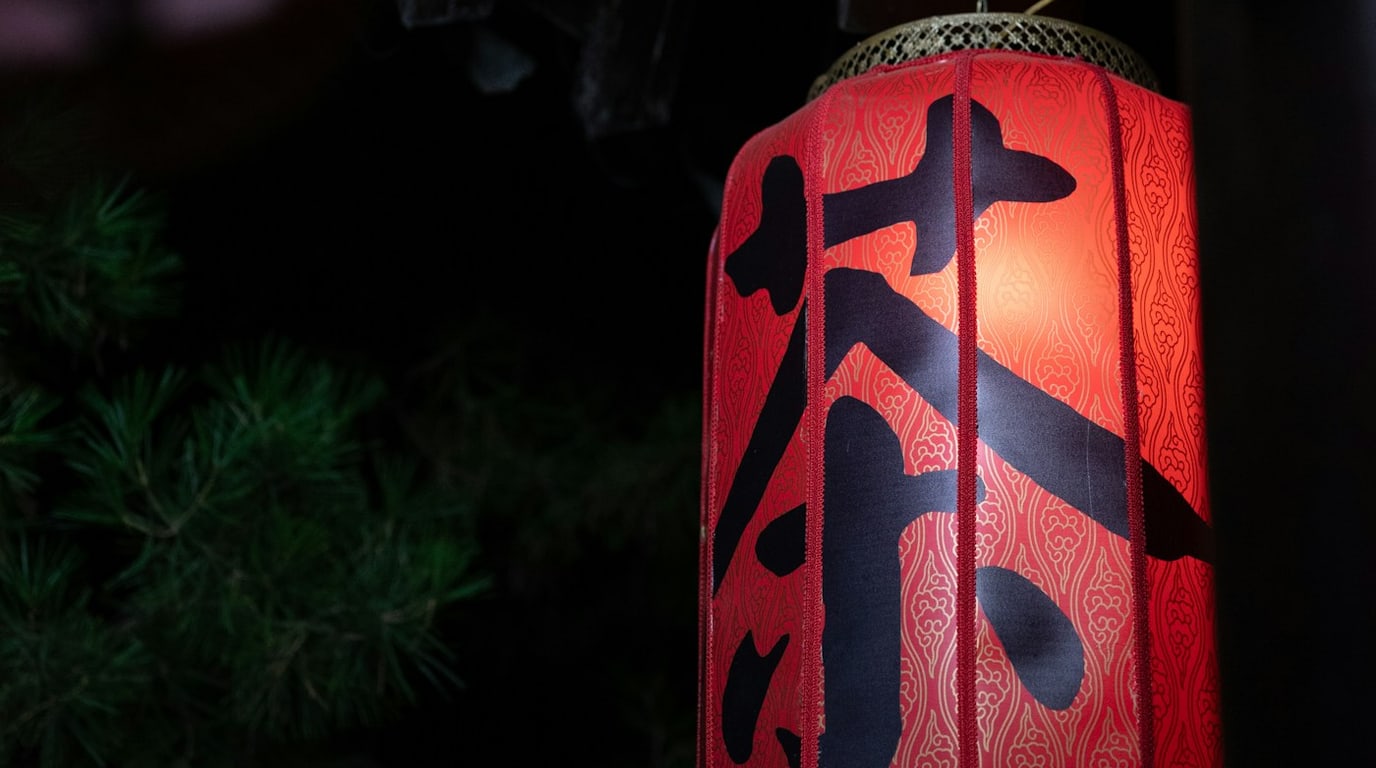
A festival video contains at least two different claims: something happened and there is a place you can go. Neither claim proves that the same event will run on your dates, that the creator filmed from a public viewing zone, or that a pin for the permanent venue reaches the ticketed entrance.
Treat a festival as a time-bound operating layer attached to one or more permanent places:
official calendar → named event → operator → zone → ticket → entrance → closing change → last ride → fallback
That sequence is the difference between saving a beautiful lantern clip and having a night that actually works.
Separate the four calendars before booking
1. Public holiday
The State Council publishes the exact days off and compensating workdays each year. For 2026:
| Holiday | Official 2026 break | Planning consequence |
|---|---|---|
| Spring Festival | February 15–23 | Nine-day holiday; long-distance demand extends beyond these dates |
| Qingming | April 4–6 | Three days; destination-specific traffic matters more than a generic national warning |
| Labor Day | May 1–5 | Five days; expect concentrated leisure travel |
| Dragon Boat Festival | June 19–21 | Three days; named races have their own schedules and zones |
| Mid-Autumn Festival | September 25–27 | Three days and separate from National Day in 2026 |
| National Day | October 1–7 | Seven days; recheck rail, hotel, attraction, and road plans |
Those are 2026 dates, not a reusable annual calendar. Lunar holidays move in the Gregorian calendar, and compensating workdays change.
2. Travel-rush period
The public holiday and the transport surge are not the same object. In 2026, the official Spring Festival holiday lasted nine days, while the national travel rush ran from February 2 to March 13. A traveler who avoids only February 15–23 can still meet the heaviest family-travel flows.
Use this threshold: if a trip requires a specific intercity train, flight, small hotel, or timed attraction during a published holiday or travel rush, secure that dependency first and keep a one-city fallback. Do not publish universal hotel multipliers or promise that every ticket disappears at one moment; route, release window, and operator matter.
3. Festival date
“Lantern Festival,” “ice festival,” and “dragon boats” are categories. The executable object is a named current-year event published by its operator or local authority. Record the opening and closing dates, dark or closed nights, daily hours, and whether the program continues after the ceremonial festival day.
4. Venue and event zone
A park, shopping district, riverbank, or temple remains on the map after the event is gone. The event may occupy only part of it, create temporary entrances, or span several districts. Keep the permanent place identity and the temporary event note separate.
The event contract: eight checks before rerouting
- Current operator: government event page, venue account, ticketing notice, or named organizing committee—not a repost with last year’s footage.
- Gregorian date: opening, final day, closed nights, and the date the specific performance or race happens.
- Exact zone: which park, riverbank, street, hall, or district; whether the camera viewpoint is actually public.
- Access product: free zone, paid zone, timed reservation, separate attraction ticket, or invitation-only area.
- Identity requirement: passport or local ID details, matching ticket name, child or concession proof, and the official sales channel.
- Entrance and controls: gate, security screening, road closure, metro exit, bag rule, last admission, and re-entry.
- Finish and last ride: event end, crowd-release plan, last metro or bus, pickup location outside closures, and a walkable fallback.
- Change plan: rain, heat, thaw, wind, crowd cap, performance cancellation, or operator closure—with a refundable or indoor alternative.
For timed attractions inside the route, use the ticket and entrance guide. For the intercity dependency, use the rail guide.
Worked example: one Shanghai lantern festival, six different zones
The 2026 Yuyuan Lantern Festival ran from January 26 to March 3 across six zones. The Yuyuan Garden folk-art lantern zone was ticketed; BFC, Gucheng Park, Middle Fangbang Road, Fuyou Road, and the Bund zone were free. The event was closed on February 16, and peak and regular periods used different hours.
That creates several map errors if the source is flattened:
- Yuyuan Garden Malls / 豫园商城 is the operating district, not proof that the classical Yu Garden attraction ticket admits the evening event.
- Gucheng Park / 古城公园 was a separate free zone, not a second entrance to the paid zone.
- “Yu Garden lanterns” in a caption does not identify the zone, ticket, date, or gate.
- A 2026 schedule should remain attached to a 2026 event record; it must not silently become next year’s hours.
The safe saved object is therefore: permanent anchor + 2026 Yuyuan Lantern Festival + zone + date + ticket status + official operator channel.
Worked example: Qinhuai is a festival district, not one pin
Nanjing’s 40th Qinhuai Lantern Festival used several places, including the Confucius Temple area, Laomendong, and a South New City venue. The published festival period ran February 17 to March 6, with displays extending to March 31.
Save Confucius Temple–Qinhuai Scenic Area / 夫子庙秦淮风光带 only as a district anchor. Then choose the actual venue and route from the current program. A boat ticket, temple interior, lantern zone, street market, and drone show are different products even when a short video calls all of them “Qinhuai.”
For a crowded evening, define an arrival edge and an exit edge before adding food. If police routing or pedestrian controls change the return, move the pickup outside the festival core rather than asking a driver to reach the densest pin.
Worked example: Harbin proves that weather can rewrite the ticket
The 27th Harbin Ice-Snow World opened on December 17, 2025. On February 19, 2026, the operator announced temporary closures and a planned reopening with adjusted hours and ticket prices because temperatures had risen above freezing. The park then closed for the season after the warm conditions damaged the ice landscape.
This is why “Harbin Ice Festival: January–February” is not an operating plan. For the winter you intend to visit:
- wait for the edition-specific opening notice before making a nonrefundable detour;
- buy through the venue’s named official channel or a channel listed by the operator;
- check the operating notice again on the travel day;
- separate Harbin Ice-Snow World / 哈尔滨冰雪大世界 from Sun Island snow sculpture, Zhaolin Park lanterns, and other winter programs;
- keep a city day or indoor ice venue that still works if wind, thaw, or closure removes the outdoor park.
Cold-weather clothing is not a generic packing flourish here. It changes how long the traveler can remain outside, use a phone, queue, and reach the return connection. Build warm indoor pauses into the route rather than treating the park as one uninterrupted block.
Worked example: a permanent Beijing park and a seven-day temple fair
In 2026, the Ditan and Longtan temple fairs ran February 17–23, from 8:30 to 17:00. The Ditan event then closed and the park had teardown closures on February 24 and 25.
The lesson is simple: Ditan Park / 地坛公园 is permanent; the Ditan Spring Festival Cultural Temple Fair is not. The park pin does not prove the fair is open, that a normal park ticket is the event product, or that every gate follows the ordinary schedule. Save the current fair notice beside the park and define which gate and return route you will use.
Worked example: a dragon-boat race is a course, not a river keyword
The 2026 Guangzhou International Dragon Boat Invitational was scheduled for June 20 on the Pearl River section between Sun Yat-sen University North Gate Square / 中山大学北门广场 and Guangzhou Bridge. The official schedule separated morning heats from afternoon ceremony and finals, and the spectator plan distinguished the south-bank viewing area from north-bank boat operations.
A caption that says only “dragon boats in Guangzhou” does not resolve the race. The reusable workflow is:
- identify the named event and year;
- save the official course endpoints;
- choose the public bank or designated viewing area;
- check heat, rain, river, and crowd notices that morning;
- record the nearest usable transit exit and a pickup point beyond temporary controls.
When is a festival worth changing the route?
Reroute when all four are true:
- the experience is genuinely time-bound and meaningfully different from an ordinary visit;
- the current event identity, zone, and access rule are verified;
- the city already fits the trip or the detour cost is explicit;
- a closure still leaves a worthwhile city day.
Keep it as a bonus—not the route’s load-bearing wall—when the only evidence is last year’s Reel, the city is far from the existing path, or one weather-sensitive venue is the entire reason to travel.
KTV: convert the invitation into a bounded plan
KTV is a private karaoke room, but there is no universal room price, English catalog, minimum spend, or closing rule. The useful distinction is not “locals invite you, so go.” It is known social context versus venue and price ambiguity.
Before entering, put this in writing or on a translated screen:
- official Chinese venue and branch;
- room size and booked duration;
- room charge, package or minimum spend;
- included and extra drinks, food, service, and deposit;
- ID, age, cancellation, and closing terms;
- who is paying and how the group will return.
An invitation from a friend, colleague, host, or established group can be a good experience. An unsolicited invitation from a stranger who chooses the venue deserves the same caution as any stranger-led commercial invitation: keep control of the place, price, payment, phone, and exit. You may sing, watch, leave early, decline alcohol, or decline the whole invitation.
Bathhouses and hot-spring complexes: confirm the product and privacy boundary
洗浴中心, 汤泉, and hot-spring resorts can describe very different products. Do not publish a nationwide entry price or promise unlimited hours, uniforms, food, cinema access, English help, or accessibility.
Confirm before changing clothes:
- entry duration and whether overnight stay is allowed;
- which pools, sauna, rest area, meal, towel, clothing, and locker are included;
- scrub, massage, treatment, food, entertainment, and overtime prices;
- wristband or locker deposit and how charges are approved;
- gendered-area, nudity, swimwear, child, tattoo, photography, and phone rules;
- pregnancy, skin, heart, mobility, or other health restrictions relevant to you;
- last exit and a transport plan that does not depend on the venue finding a ride.
If privacy, access, or health needs cannot be confirmed, choose another venue or experience. Gestures are not enough to consent to a paid body service.
Park dancing, tai chi, choirs, and neighborhood evenings
A public group is not automatically an open class. Observe without blocking, do not film identifiable people by default, and join only after a clear invitation or request. The back row is not universally “free and welcomed.” For a bounded public route with seating, toilets, surfaces, daylight, and exit anchors, use the neighborhood-walk guide.
Late-night food: resolve the business, not just the dish
Crayfish, barbecue, night markets, and summer street dining vary by city, season, venue, unit, and preparation. A creator showing 小龙虾 or 烧烤 gives you an eating idea; it does not prove a price, food-safety standard, restaurant branch, or language-free order.
Use the street-food guide to separate dish, route, and stall. Use the food and dietary guide when allergens, celiac disease, religious restrictions, or kitchen cross-contact matter. Confirm the unit and total before the kitchen starts, and keep a payment and ride-home fallback.
Hospitality without a national choreography script
There is no safe universal rule that a traveler must refuse twice, never split a bill, try every food, or place a glass at one exact height. Those patterns can appear, but relationship, age, region, setting, and individual preference matter.
Use direct, respectful boundaries:
- thank the host and accept only what you want;
- state allergies, alcohol limits, schedule, and departure needs clearly;
- ask before assuming who pays; reciprocate when appropriate, not as a compulsory performance;
- keep your passport, phone, payment method, and return route under your control;
- leave if hospitality becomes pressure, an unknown commercial venue, or a price you cannot verify.
Enthusiasm is optional. Consent and a workable exit are not.
The one-screen event card
Before leaving the hotel, save one offline card containing:
- event name and year in English and Chinese;
- date, operating hours, last entry, and known closure window;
- zone and entrance—not just the landmark center;
- ticket or reservation and the identity document used;
- weather and crowd notice source;
- arrival transit, last ride, and pickup fallback;
- refund or alternative if the event changes;
- Chinese hotel name and address for the return.
That card makes the festival map-ready without pretending the map pin contains the event.
From guide to map
Review the places from this guide
We keep the Chinese name and city together so you can verify the right branch before opening AMap, Apple Maps, or Didi.
-
Yuyuan Garden Malls / 豫园商城
Shanghai · Permanent festival-district anchor; the annual lantern event has separate zones, dates, tickets, and closures.
-
Gucheng Park / 古城公园
Shanghai · A free zone in the 2026 Yuyuan event; verify whether it participates in the year you visit.
-
Confucius Temple–Qinhuai Scenic Area / 夫子庙秦淮风光带
Nanjing · A district anchor, not one universal lantern-festival gate or ticket.
-
Harbin Ice-Snow World / 哈尔滨冰雪大世界
Harbin · Seasonal ticketed park whose opening, price, weather closures, and final day require a current operator notice.
-
Ditan Park / 地坛公园
Beijing · Permanent park; the Spring Festival temple fair exists only on announced dates and hours.
-
Sun Yat-sen University North Gate Square / 中山大学北门广场
Guangzhou · A 2026 dragon-boat spectator anchor; the annual river course and viewing zones can change.
Frequently asked questions
- Which China travel dates create the most friction in 2026?
- The official 2026 Spring Festival holiday was February 15–23, Labor Day was May 1–5, and National Day will be October 1–7. Spring Festival's transport rush was much longer—February 2 to March 13—so do not use the public-holiday dates as the whole congestion window. Check the State Council schedule for your travel year before booking.
- How do I know whether a Chinese festival is worth changing my route for?
- Require a current operator notice, exact Gregorian dates, a named event zone, a clear ticket or free-access rule, and a workable arrival and exit. If the event is only a past-year clip or a generic park pin, keep it as a lead rather than rebuilding the trip around it.
- Is Chinese New Year a good time to visit China?
- It can be if one city and a verified local event are the point of the trip. It is a poor moment for an improvised multi-city route. Confirm which businesses and attractions operate, secure the long-distance legs, and keep a non-event day plus an indoor fallback.
- Can I use one map pin for a lantern festival?
- Usually not. The 2026 Yuyuan festival had six zones, only one of them ticketed, plus different operating hours and a closure night. Qinhuai used several districts and venues. Save the correct permanent anchors, then attach the current event zone, date, ticket, and entrance as separate notes.
- What should I confirm before going to KTV with people I met?
- Prefer an invitation from someone you already know. Before entering, confirm the Chinese venue name, room or package duration, minimum spend, food and drink charges, service or deposit terms, closing time, and return ride. Song catalogs and English support vary by venue.
- What should a foreign traveler check before using a Chinese bathhouse or hot-spring complex?
- Confirm the exact venue, included hours and facilities, every paid add-on, locker or wristband terms, gendered-area and clothing rules, tattoo or health restrictions, overnight policy, accessibility, last exit, and transport home. Do not assume one chain's process applies nationwide.
Sources checked
We use official or first-party sources for rules and fast-changing product details. Community reports shape the failure-mode advice, not the underlying policy.
- State Council: official 2026 public-holiday schedule
Checked July 12, 2026
- State Council: 2026 Spring Festival holiday versus the longer travel rush
Checked July 12, 2026
- Shanghai government: 2026 Yuyuan Lantern Festival zones, dates, tickets and closure
Checked July 12, 2026
- Nanjing government: 2026 Qinhuai Lantern Festival dates and multi-venue plan
Checked July 12, 2026
- Heilongjiang culture and tourism: 2025-26 Harbin Ice-Snow World opening
Checked July 12, 2026
- Heilongjiang culture and tourism: weather-driven Harbin operating and ticket change
Checked July 12, 2026
- Beijing government: 2026 Ditan and Longtan temple-fair dates and hours
Checked July 12, 2026
- Guangzhou Sports Bureau: 2026 International Dragon Boat Invitational course and schedule
Checked July 12, 2026