China Travel Made Easy
All destinations

City

Xi’an

City walls, Tang Chang’an, Muslim foodways, Qin archaeology

Xi’an is more useful as a three-day city with one separate Lintong archaeology day than as a compressed list of dynasties, towers, pagodas, and food streets.

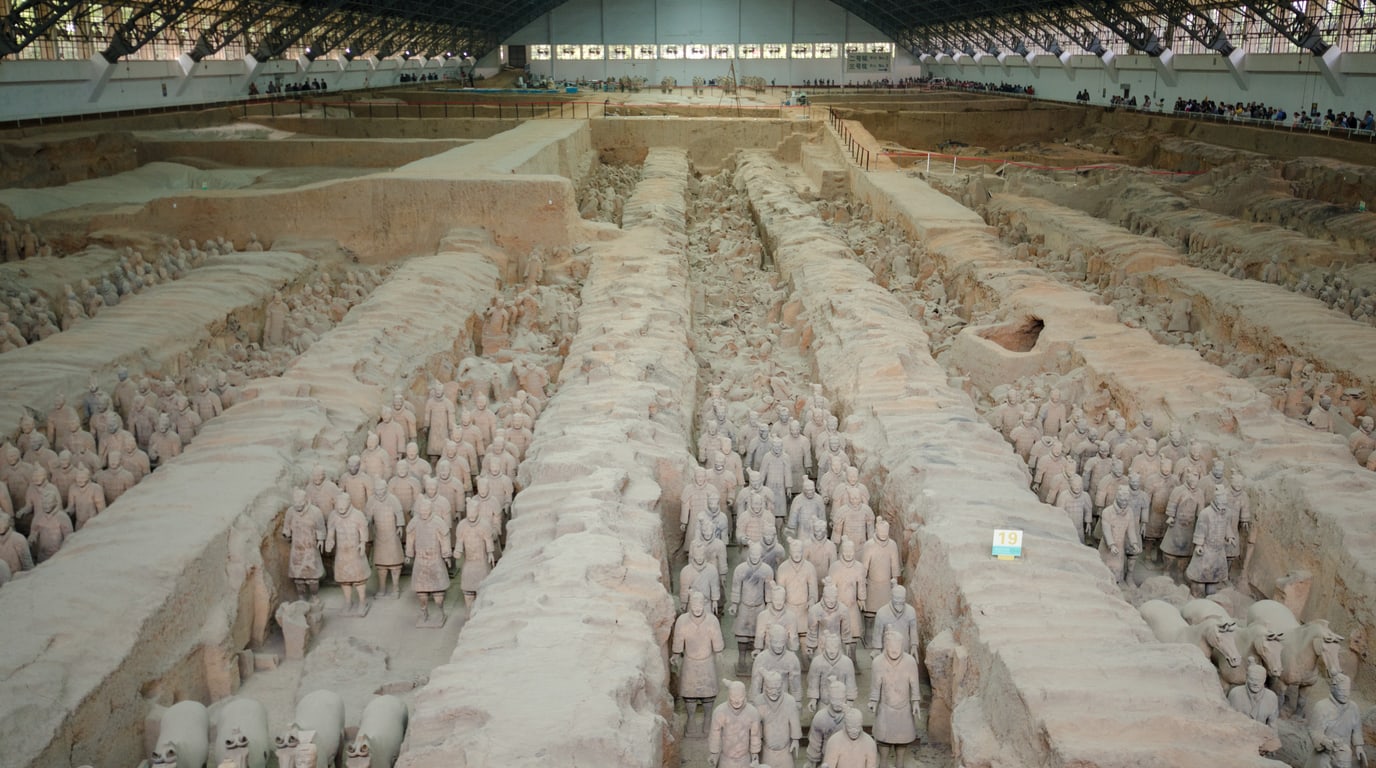
Terracotta Army near Xi’an
Cover source: Terracotta Army

Destination digest

Xi’an, beyond the checklist

Xi’an becomes legible when you separate three cities that occupy the same map: the walled Ming city people still cross every day, the much larger Tang capital interpreted by museums and pagodas, and the Qin imperial landscape out in Lintong. Give each scale its own day instead of turning 2,000 years into a taxi checklist.

Useful minimum
Three full days: walled city, Tang museum-and-pagoda day, and a separate Lintong day
Best first base
Inside or just south of the wall near Yongning Gate; Xiaozhai for museum-led days
Booking priority
Terracotta Warriors and Shaanxi History Museum main building, using the passport you will carry
Museum identity
陕西历史博物馆 is not 陕西历史博物馆秦汉馆; check the site, address, and entry rule
Food-map rule
回民街 is an area lead; save an exact Chinese storefront and branch for every meal
Closed-day recovery
Xi’an Museum and Small Wild Goose Pagoda share one campus and normally close Tuesday

Begin with the wall as a piece of city, not a panorama ride

Use Yongning Gate as the deliberate first entrance because it fixes the south side of the walled city and connects naturally to Shuyuanmen, the Bell Tower axis, and the lanes west of the Drum Tower. Walk one meaningful section before deciding whether a bicycle adds anything; a full circuit is exposed and repetitive in heat, wind, rain, or poor air. The useful question is how the wall still sets street direction and scale—not whether you completed every kilometre.

Day one: Yongning Gate to the Great Mosque

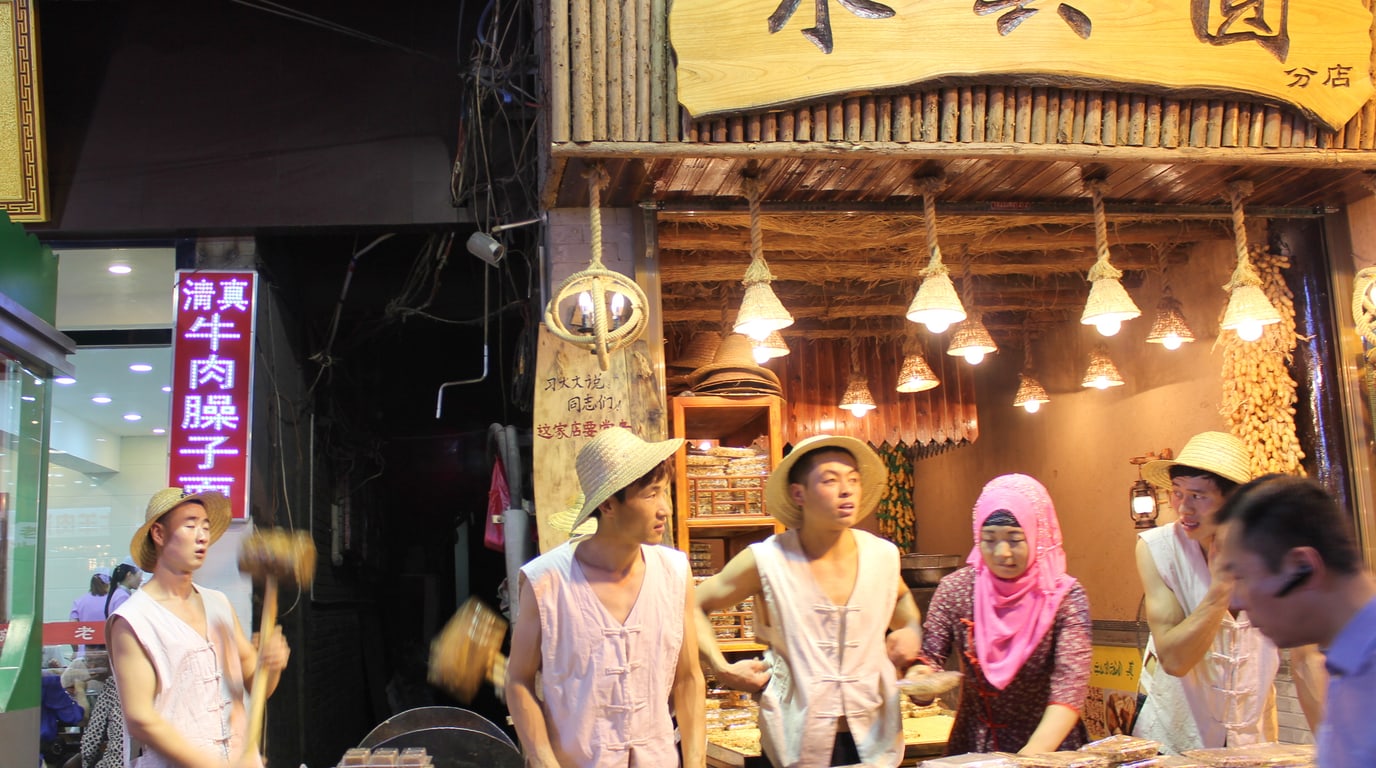
Start on the wall early or near dusk, leave enough time for the streets at ground level, and walk north toward the Bell and Drum towers. Treat the Bell Tower as an orientation point rather than an automatic paid interior. Enter the Great Mosque through Huajue Lane as a functioning religious complex, then continue through Dapiyuan, Xiyangshi, or Sajinqiao only if you still have appetite and attention. “Muslim Quarter” is a district lead: every restaurant, bakery, and snack stall needs its own Chinese storefront and current branch before it becomes a saved place.

Day two: let one museum explain Tang Chang’an

Make the Shaanxi History Museum main building the first choice when you secure its timed reservation. It is the provincial collection beside Xiaozhai—not the separate Qin–Han museum in Xixian—and the original passport used for booking must match at entry. Continue east to Da Ci’en Temple and the Big Wild Goose Pagoda to connect Xuanzang, translation, and the Tang capital’s southern scale. The evening entertainment district nearby is optional; the museum and temple carry the historical argument without a costume-show checklist.

Give Lintong a full archaeology day

The Emperor Qinshihuang’s Mausoleum Site Museum is not one downtown pin. Its ticket covers the Terracotta Warriors Museum and Lishan Garden archaeological park, which the official guide says each need about ninety minutes, with a free shuttle between them. Add the city-to-Lintong ride, security, queues, walking, and return before promising another major sight that evening. Reserve through the official museum channel with the carried passport, save the exact museum identity in Chinese, and confirm the final return before leaving the city.

Use Xi’an Museum as the sold-out or closed-day recovery

Xi’an Museum and the Small Wild Goose Pagoda share one quieter campus at Youyi West Road. It is not a lesser version of the Shaanxi History Museum: the city collection, Jianfu Temple landscape, and surviving Tang pagoda make a coherent half-day without pretending the two museums are interchangeable. The campus normally closes Tuesday rather than Monday, so it can rescue a museum plan on the provincial museum’s closed day; recheck the current notice and reservation channel before travel.

Stay where the first morning and last meal both work

Inside the wall near Yongning Gate gives the easiest first arrival, metro access, and evening walks without forcing every meal through the busiest visitor streets. The Xiaozhai–Dayanta area is better when museums and the southern Tang sites matter more than late old-city walks. A hotel near Xi’an North Railway Station saves one early departure but is not a good default city base. Save the hotel’s Chinese name, street address, and the correct rail station before arrival.

Build the itinerary around reservation failure, heat, and distance

Reserve the Terracotta Warriors and Shaanxi History Museum first, then place the wall and outdoor streets around weather and energy. If the provincial museum is sold out, do not buy a vague third-party bundle or silently substitute its distant Qin–Han branch: use Xi’an Museum, a smaller museum, or the wall and mosque day. In summer, move exposed wall time to morning or evening; in rain or poor air, protect one indoor anchor and a simple metro or taxi exit. Keep the passport used for reservations on every controlled-entry day.

Places worth building around

The anchors in this digest

Each place keeps the reason it belongs in the day. Full digests also preserve the local name, exact branch or entrance, and a checked execution query.

Beilin south-wall entrance and old-city route anchor

Xi’an City Wall at Yongning Gate

西安城墙(永宁门)

01

The wall has multiple entrances with different operating patterns, so the useful pin is the chosen south gate rather than the center of a fourteen-kilometre fortification. Yongning Gate gives a clear beginning for a wall section and a ground-level continuation toward Shuyuanmen, the Bell Tower axis, and the old city.

Decide on a short walk before renting a bicycle or committing to the exposed full circuit. Heat, rain, wind, event closures, rental return points, and gate hours can change the value of the route; recheck the official 西安城墙景区 notice before going.

西安市碑林区南大街2号,永宁门南口

Huajue Lane religious and old-city anchor

Great Mosque of Xi’an

西安化觉巷清真大寺

02

The mosque is a functioning religious complex and a stable historical identity inside a district that map and video captions often flatten into “Muslim Quarter.” Its courtyards and Chinese architectural language make the surrounding Hui foodways more legible without turning a whole community into one market attraction.

Enter quietly, dress for a place of worship, and accept that religious access can take priority over sightseeing. Continue into the public food lanes only after the visit, then save any restaurant or stall separately by its current Chinese sign and branch rather than attaching it to the mosque pin.

西安市莲湖区鼓楼西北侧化觉巷内

Xiaozhai provincial-history and Tang context anchor

Shaanxi History Museum — main museum

陕西历史博物馆(本馆)

03

This is the high-demand main museum near Xiaozhai and Big Wild Goose Pagoda. The explicit “main museum” identity prevents a search result, ticket seller, or driver from substituting the separate Qin–Han branch in Xixian, which has a different address, weekly closure, and entry procedure.

Use the official WeChat reservation channel, currently released five days ahead at 17:00, and carry the original passport used for the timed booking. If it is sold out or closed Monday, use Xi’an Museum or another grounded indoor plan instead of buying an unclear bundle.

西安市雁塔区小寨东路91号

Yanta Tang Buddhism and translation anchor

Da Ci’en Temple and Big Wild Goose Pagoda

大慈恩寺(大雁塔)

04

The pagoda stands within Da Ci’en Temple, and that nested identity is the point: Xuanzang, translated scripture, and the religious life of Tang Chang’an explain more than the surrounding plaza spectacle. Saving the temple keeps the paid complex distinct from the public north square and the modern Grand Tang Mall.

Choose the temple interior for its Buddhist and translation history; do not assume the pagoda climb, fountain, plaza, and evening performance street are one ticket or one experience. Recheck access and hours, then drop the surrounding spectacle if the museum day has already used your attention.

西安市雁塔区慈恩路1号

Youyi West Road city-history and Tang campus anchor

Xi’an Museum and Small Wild Goose Pagoda

西安博物院(小雁塔)

05

The municipal museum, Jianfu Temple grounds, and Small Wild Goose Pagoda form one coherent campus. It is a calmer way to read Xi’an’s urban history and Tang religious landscape, and a truthful alternative when the much busier Shaanxi History Museum is unavailable rather than a fake replacement with the same collection.

The official museum channel lists advance reservation options and normally closes Tuesday, not Monday. Recheck the current notice, keep the exact campus address, and allow a half-day; the museum building, garden, and pagoda setting are the combined experience even when tower access changes.

西安市碑林区友谊西路72号

Lintong full-day archaeology anchor

Emperor Qinshihuang’s Mausoleum Site Museum

秦始皇帝陵博物院

06

This official museum identity covers two separate visitor sites: the Terracotta Warriors pits and Lishan Garden archaeological park. It prevents a generic “Terracotta Army” coordinate, replica attraction, private museum, or nearby commercial stop from replacing the actual reserved-entry complex.

Reserve through the official site or WeChat with the passport you will carry. The museum estimates about ninety minutes at each site and runs a free shuttle between them; add the city transfer, security, queues, walking, and confirmed return before committing the evening.

西安市临潼区秦陵北路
Guide matches

Start with these guides

These are the current China Travel Made Easy guides most relevant to planning Xi’an. Start here for the logistics that affect cost, comfort, and avoidable mistakes before the route gets specific.

Destination QA

Answers for planning Xi’an

What is Xi’an best for on a China trip?

+

Xi’an is best for city walls, Tang Chang’an, Muslim foodways, Qin archaeology. Xi’an is more useful as a three-day city with one separate Lintong archaeology day than as a compressed list of dynasties, towers, pagodas, and food streets.

Where should travelers start in Xi’an?

+

Start with Xi’an City Wall at Yongning Gate in Beilin south-wall entrance and old-city route anchor, Great Mosque of Xi’an in Huajue Lane religious and old-city anchor, Shaanxi History Museum — main museum in Xiaozhai provincial-history and Tang context anchor, Da Ci’en Temple and Big Wild Goose Pagoda in Yanta Tang Buddhism and translation anchor, Xi’an Museum and Small Wild Goose Pagoda in Youyi West Road city-history and Tang campus anchor, Emperor Qinshihuang’s Mausoleum Site Museum in Lintong full-day archaeology anchor. These are useful first pins before adding nearby food, transit, and stay ideas.

Which guides should I read before visiting Xi’an?

+

Start with China Attraction Tickets: Passport Booking, Release Windows & Sold-Out Recovery, A First-Timer's 7-Day China Itinerary: Beijing, Xi'an & Shanghai, China Street Food & Night Markets: City Routes, Stall Evidence & Safer Ordering. These guides cover the practical setup and decisions most relevant to this destination.

Can I save Xi’an recommendations from posts or screenshots?

+

Yes. Use Save Places to paste the caption, OCR text, note, or place list, then review the bilingual identities before creating AMap or Apple Maps handoffs. A bare social URL is not fetched by the static prototype.