China Travel Made Easy
All destinations

Traveler search region

Yangshuo

A county with three different bases, two river systems, and outdoor days that depend on exact stations, wharves, and return points

Yangshuo works when the county town, Xingping, and the Yulong River are treated as separate bases and products—not as one scooter loop with a “bamboo raft” pin somewhere in the middle.

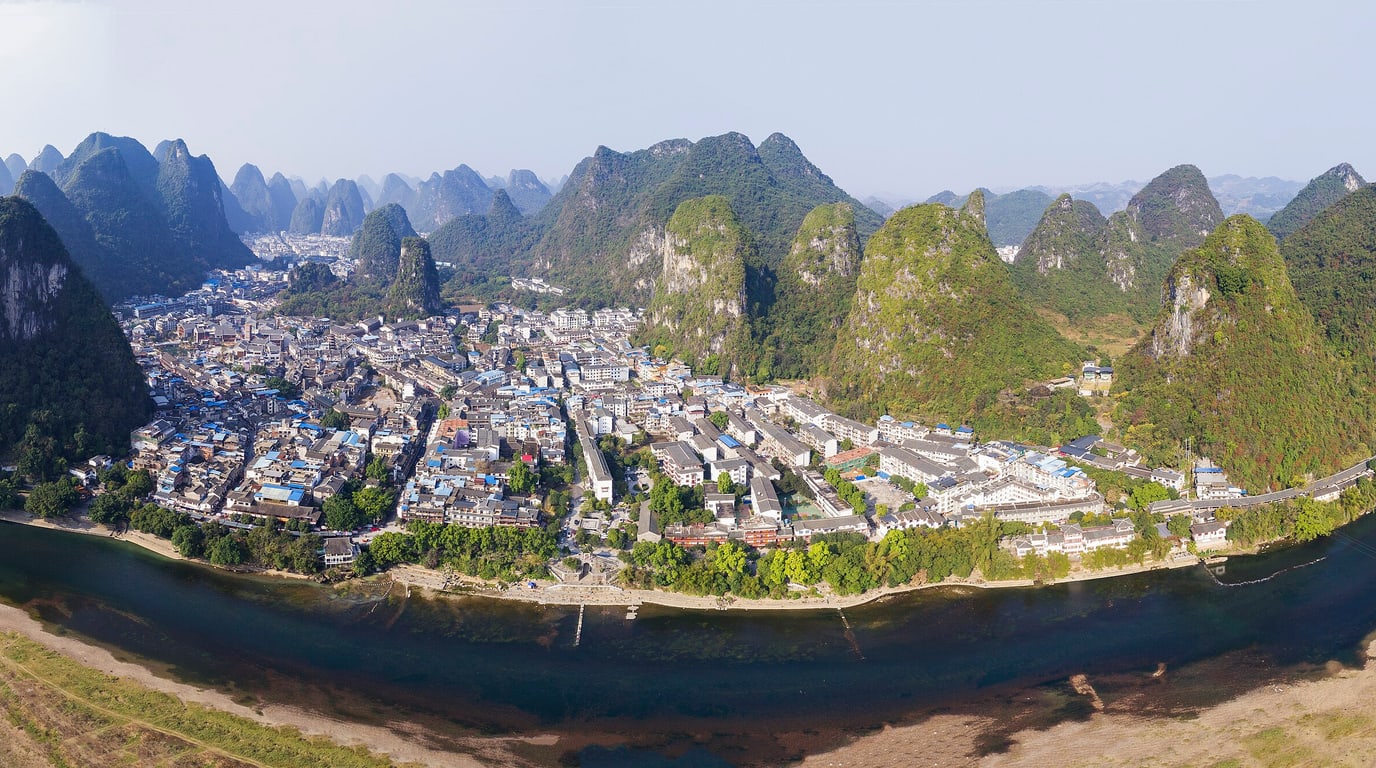
Li River and tower-karst landscape near Yangshuo
Cover source: Yangshuo karst landscape

Destination digest

Yangshuo, beyond the checklist

Yangshuo is a county, not a compact old town. Four days let the county town, Xingping, and the Yulong River keep different jobs: arrival and evenings, Li River geology and heritage, and one bounded slow-mobility or bamboo-raft route with a real endpoint.

Useful minimum
Four days: arrival and county town; Xingping; one bounded Yulong route; one outdoor or weather-recovery day
Base rule
阳朔镇, 兴坪镇, and 遇龙河沿线 solve different trips; choose the base before choosing the hotel
Rail rule
阳朔站 is in Xingping, not beside West Street—preserve the onward transfer to the county town or your river base
River rule
漓江兴坪排筏 and 遇龙河竹筏 are different products; every Yulong ticket also needs a named start and endpoint
Route rule
A one-way raft or ride is incomplete until the endpoint, return vehicle, daylight, and luggage plan are saved
Safety rule
Use official wharves and public routes; weather closure never validates an unofficial raft or unmarked karst climb

Choose among three bases, not one “Yangshuo” pin

Yangshuo town is the main lodging and evening base; Xingping is a separate historic town upstream on the Li River; the Yulong River corridor runs west and south through villages, bridges, paths, and several raft wharves. Yangshuo Railway Station is in Xingping, not beside West Street or the county-town hotels. Decide which base owns each day before booking a room or accepting an app’s generic county-center result.

Arrival can mean a station or a downstream wharf

High-speed rail arrives at 阳朔站 in Xingping. The full Guilin cruise arrives at 龙头山码头 in Yangshuo town. Those are different entry stories and should produce different first days. From the station, keep Xingping or transfer onward by a confirmed bus or car; from Longtoushan, walk or transfer to the actual hotel with your luggage. Neither arrival proves that a nearby “ancient town,” viewpoint, or boat product is included.

Day one: let the county town be useful without mistaking it for the whole county

Use Yangshuo town for check-in, food, laundry, onward bookings, and a public evening walk. West Street is lively but noisy and visitor-facing; staying a few streets away preserves walkability without making the commercial strip the trip’s only identity. If you arrived by the one-way cruise, keep the afternoon light. A river day already includes an early road transfer, security, four hours on the water, and a luggage handoff.

Day two: Xingping is both geology and a transport problem

Xingping is a 1,700-year-old town inside the Guilin Karst landscape, but the station, old streets, Li River bank, and Chaobanshan Wharf are separate locations. Use the wharf only for the exact officially sold Xingping boat or raft route. The famous ¥20-banknote landscape is a river section, not permission to trespass across fields or climb an unmarked limestone hill. Keep the station transfer and last ride back to your chosen base explicit.

Do not let “bamboo raft” hide the river or route

An Xingping Li River sightseeing raft is not a Yulong River bamboo raft. Even within the Yulong system, each ticket has a named start, endpoint, distance, weirs, capacity, and return problem. This guide resolves 骥马码头 to the 工农桥综合码头 for the official six-kilometer middle-to-lower route. The operator describes nine weirs on that section. If you want the upper river or a shorter loop, buy that named route instead—never assume every wharf is interchangeable.

Day three: build one Yulong route with an exit

Begin a slow day at Jiuxian’s Shuangliu Ferry Pavilion or at Jima Wharf, not at an abstract Yulong River center pin. Walk or cycle only the public route you can finish in daylight, and preserve the return or pickup point before starting. The official detailed plan treats Jima, Jinlong Bridge, and Gongnong Bridge as major wharves and plans separate walking, cycling, shuttle, and vehicle networks. That is the right mental model: a corridor with controlled access and transfers, not an unrestricted e-bike trail through every village courtyard.

Weather changes both rivers differently

Rain and water level can suspend Li River navigation or change Yulong operations while roads remain open. Check the Li River and Yulong official channels separately on the morning of use. If a raft closes, keep the public greenway, village route, county-town day, or Xingping streets only where conditions remain safe. Do not replace a closure with an unofficial raft, improvised crossing, cave, or steep social-video viewpoint.

Four days should change pace, not multiply products

A useful rhythm is arrival and county town; one Xingping day; one Yulong route; and one flexible outdoor or recovery day. Add climbing only with a reputable local operator, suitable equipment, and a route matched to your experience. Add Longji as a separate overnight from Guilin, not a day attached to Yangshuo. The strongest trip alternates boat, foot, bicycle, and rest instead of booking a cave, show, raft, cruise, scooter, and viewpoint into every daylight hour.

Places worth building around

The anchors in this digest

Each place keeps the reason it belongs in the day. Full digests also preserve the local name, exact branch or entrance, and a checked execution query.

Xingping rail arrival

Yangshuo Railway Station

阳朔站

01

Despite its name, Yangshuo Station is in Xingping, not beside West Street or the county-town hotels. The exact station pin prevents a costly assumption that rail arrival, Xingping old town, the Li River wharves, and Yangshuo town are one walkable center; each still needs a confirmed onward vehicle and destination.

Keep the train number and 阳朔站 in Chinese, then confirm the current bus or car to Xingping, Yangshuo town, or your river lodging before arrival. Do not accept a generic “Yangshuo center” transfer price without the hotel address, and leave a return buffer for the same station on departure day.

桂林市阳朔县兴坪镇饭甑山村,阳朔站

Xingping Li River product anchor

Xingping Chaobanshan Wharf

兴坪朝板山码头

02

Chaobanshan is the named Xingping departure for local Li River sightseeing boats and rafts. It keeps the product distinct from the full Guilin-to-Yangshuo cruise, Yulong River bamboo rafts, Xingping’s passenger streets, the ¥20 landscape viewpoints, and other Li River wharves such as Yangdi or Mashan.

Buy the exact route through the current official water-tour channel and match the start, endpoint, direction, passenger rules, and weather status before paying. Ignore roadside sellers offering a vaguely equivalent “essence section”; a picture of the same peaks does not prove a legal departure or the same return point.

桂林市阳朔县兴坪镇,兴坪朝板山码头

Classic Li River cruise arrival

Yangshuo Longtoushan Wharf

阳朔龙头山码头

03

Longtoushan is the official downstream arrival for the one-way classic cruise from Mopan Mountain or Zhujiang. It is not Yangshuo Station, a return-cruise terminal, West Street, or the hotel itself. Preserving it makes luggage, pickup, road control, and the first county-town afternoon part of the route.

The official guide warns of traffic controls near the wharf and identifies a tourist parking area about 2.3 kilometers away for drivers meeting passengers. Confirm the hotel handoff before sailing, keep luggage manageable, and reject a driver who substitutes another pier without explaining the walk or access rule.

桂林市阳朔县阳朔镇,龙头山码头

Named middle-river bamboo-raft start

Jima Wharf on the Yulong River

遇龙河景区骥马码头

04

Jima is the official start of a specific six-kilometer Yulong River route to the comprehensive wharf beside Gongnong Bridge. Naming it prevents an operator or map from substituting Jinlong Bridge, Yulong Bridge, Shui’edi, Wanjing, an unofficial raft, or an Xingping Li River product under the generic phrase “bamboo rafting.”

The official description includes nine weirs. Check the current operating notice, passenger and baggage rules, weather, mobility needs, and endpoint transport before booking. Arrive at the named wharf and keep valuables secured; do not assume the raft returns you, your bicycle, or your rented e-bike to Jima.

桂林市阳朔县骥马村,遇龙河景区骥马码头

Jima-route endpoint and pickup

Gongnong Bridge comprehensive wharf

工农桥综合码头

05

The comprehensive wharf beside Gongnong Bridge is the operational endpoint for the official Jima route. Saving it separately turns “go bamboo rafting” into an executable one-way plan with a pickup, bicycle, walking, or road decision instead of leaving travelers at an unknown riverbank after the ticketed experience ends.

Arrange the return to Yangshuo town or the next public-route segment before boarding at Jima. Verify the exact drop point because 工农桥, 万景码头, and nearby Ten-Mile Gallery attractions produce several close map results; keep daylight and weather in the remaining ride or walk.

桂林市阳朔县高田镇工农桥旁,遇龙河景区综合码头

Yulong public-route heritage anchor

Shuangliu Ferry Pavilion in Jiuxian

旧县村双流义渡亭

06

The pavilion is a bounded public-route anchor in Jiuxian’s historic village landscape and a better slow-mobility decision point than a generic “Yulong River cycling” pin. It connects settlement history, fields, bridges, and the river while keeping private courtyards, hotel grounds, raft-only landings, and the much larger county outside the implied visit.

Reach it on a public walking or cycling route you can retrace or continue safely. Ask before entering or photographing residential courtyards, use only a legitimate rental with working brakes and lights, and preserve the next staffed pickup or return point rather than improvising through fields after dark.

桂林市阳朔县白沙镇旧县村,双流义渡亭
Guide matches

Start with these guides

These are the current China Travel Made Easy guides most relevant to planning Yangshuo. Start here for the logistics that affect cost, comfort, and avoidable mistakes before the route gets specific.

Destination QA

Answers for planning Yangshuo

What is Yangshuo best for on a China trip?

+

Yangshuo is best for a county with three different bases, two river systems, and outdoor days that depend on exact stations, wharves, and return points. Yangshuo works when the county town, Xingping, and the Yulong River are treated as separate bases and products—not as one scooter loop with a “bamboo raft” pin somewhere in the middle.

Where should travelers start in Yangshuo?

+

Start with Yangshuo Railway Station in Xingping rail arrival, Xingping Chaobanshan Wharf in Xingping Li River product anchor, Yangshuo Longtoushan Wharf in Classic Li River cruise arrival, Jima Wharf on the Yulong River in Named middle-river bamboo-raft start, Gongnong Bridge comprehensive wharf in Jima-route endpoint and pickup, Shuangliu Ferry Pavilion in Jiuxian in Yulong public-route heritage anchor. These are useful first pins before adding nearby food, transit, and stay ideas.

Which guides should I read before visiting Yangshuo?

+

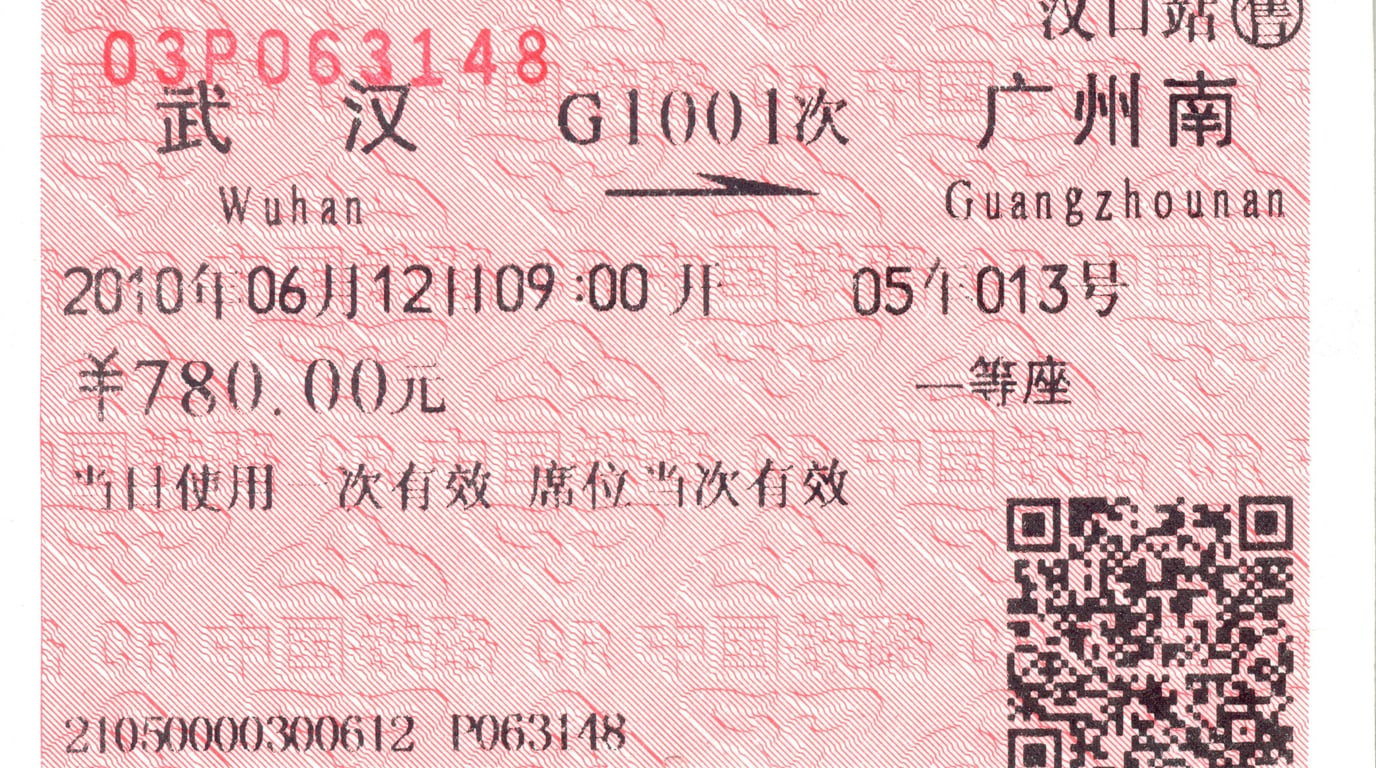
Start with China's High-Speed Trains: Booking on 12306 or Trip.com as a Foreigner, China Attraction Tickets: Passport Booking, Release Windows & Sold-Out Recovery, China Neighborhood Walks: Public Routes, Residential Boundaries & Reliable Exits. These guides cover the practical setup and decisions most relevant to this destination.

Can I save Yangshuo recommendations from posts or screenshots?

+

Yes. Use Save Places to paste the caption, OCR text, note, or place list, then review the bilingual identities before creating AMap or Apple Maps handoffs. A bare social URL is not fetched by the static prototype.