China Travel Made Easy
All destinations

City

Changsha

A river-island-mountain city whose history runs from excavated Han tombs and administrative slips to academies, poetry, food queues, and late nights

Changsha becomes more than a spicy-food montage when the Xiang River, Orange Isle, Yuelu Mountain, excavated documents, provincial collections, and exact commercial branches remain distinct planning objects.

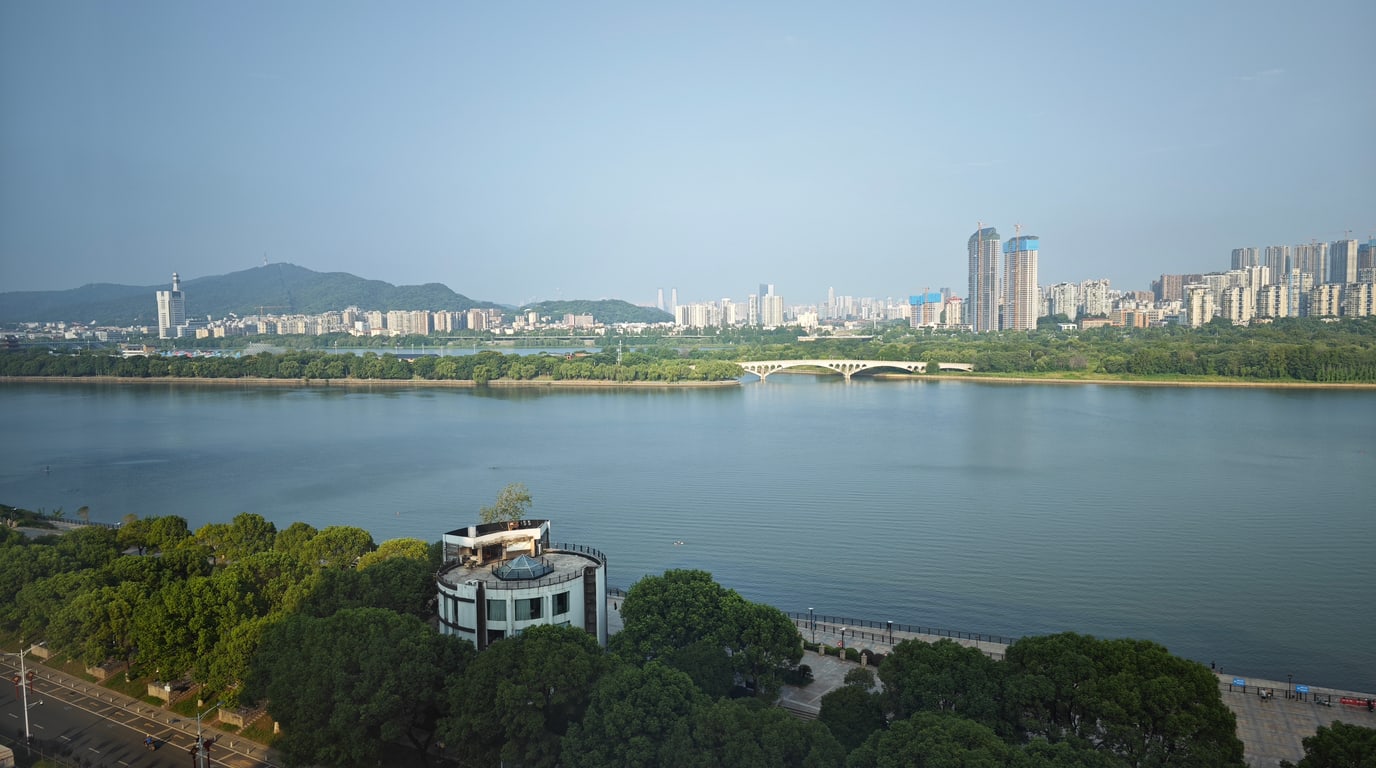
Xiang River and Orange Isle running through central Changsha
Cover source: Xiang River and Orange Isle, Changsha

Destination digest

Changsha, beyond the checklist

Changsha is not one neon queue between a cup of milk tea and a plate of red chiles. Its useful shape is the “mountain, water, island, city” relationship around the Xiang River, but its depth comes from the Mawangdui tombs, excavated government records, a living academy, repeated rebuilding, and a contemporary appetite for turning history, food, media, and nightlife into public spectacle.

Useful minimum
Two full days; add a third for both the old-city museums and an unhurried mountain or island route
Best first base
Wuyi Square for maximum access and late food; east-central Changsha for quieter museum and rail mornings
Rail rule
长沙南站, 长沙站, 长沙西站, and 磁浮高铁站 are different identities; West remains under construction in the June 2026 city profile
Booking rule
湖南博物院 and 岳麓书院 need their own current admission checks and the same passport used to book
Island rule
橘子洲 is a long route with live crowd, flood, and transit conditions—not one monument pin
Food rule
Save the Chinese storefront and exact branch; “Changsha snacks” is discovery evidence, not a map identity

Use the river to orient the city, not to flatten it

The Xiang River separates but also explains the core trip: Yuelu Mountain and Hunan University rise on the west bank, Orange Isle occupies the river, and the older commercial and museum districts spread east. Treat those as three different day structures. A short video can jump from 岳麓书院 to 橘子洲 to a Wuyi Square snack queue in seconds; the traveler must preserve the academy reservation, island distance, river crossing, heat, and closing time that the edit removes.

Arrival: read the station suffix before choosing the base

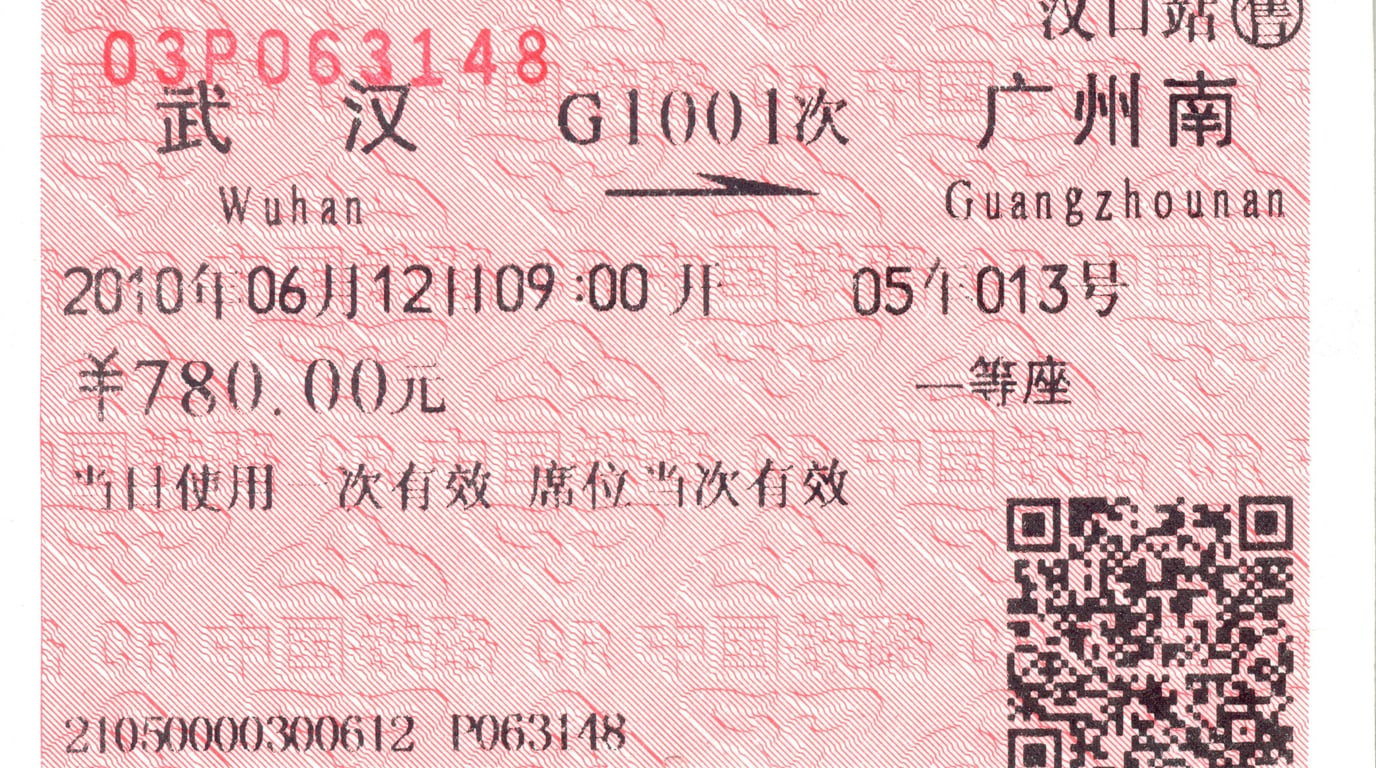
长沙南站 is the principal high-speed rail arrival and connects with Metro Lines 2 and 4; 长沙站 is the older central railway station on Lines 2 and 3. As of the June 2026 government city profile, 长沙西站 remains under construction, while 磁浮高铁站 is the separate platform for the airport maglev beside Changsha South. The Chinese suffix on the 12306 ticket is the route. At Changsha South, metro is the default; a ride-hail requires an exact east- or west-plaza pickup zone, not a pin dropped somewhere on the station footprint.

Day one: let Mawangdui make the city older than its hype

Give the first morning to 湖南博物院 and the Changsha Mawangdui Han Dynasty Tombs exhibition. The museum is where the collection is interpreted; it is not the tomb excavation site, and it should not be collapsed with Changsha Museum. Reserve the current admission, carry the same passport, and keep Monday recovery. Follow with only one older-city thread—such as a bounded Taiping Street walk or the riverfront—so the silk, lacquer, manuscripts, diet, cosmology, and preservation story has time to settle before the evening crowds.

Day two: the academy is a ticket inside a wider landscape

Cross to 岳麓书院 for the intellectual center of the trip. The academy requires its own real-name reservation and ticket; the broader Yuelu Mountain area, Hunan University campus, Aiwan Pavilion, gates, summit roads, and transport products are separate. Non-mainland visitors can book with a passport and must carry the original document to the staffed channel. Choose either a south-side academy-and-campus route or a longer mountain route, because combining every gate, the summit, Orange Isle, and a central-city dinner creates a transfer checklist rather than a day.

Give Orange Isle a defined distance and an exit plan

橘子洲景区 is long enough that “visit Orange Isle” is not an itinerary. Decide whether the purpose is a riverside walk, the southern head, a cultural stop, or simply seeing the city from within the river, then choose a bounded walking section or the paid sightseeing vehicle. Check the live state in the official Changsha visitor platform. Flood control, major events, and crowd management can close the island and cause Line 2 to skip 橘子洲站; the recovery is an east- or west-bank river walk, not waiting underground for the island to reopen.

Day three: read the working city through wood, bamboo, and poetry

长沙简牍博物馆 makes old Changsha administrative rather than mythical: household registers, tax, law, correspondence, and excavation context become the texture of a real city. Its regular closure is Tuesday, unlike the Monday pattern at many museums, and its current display upgrade makes the newest notice important. Continue on foot through a bounded part of Tianxin rather than trying to cover every “old street.” End at 杜甫江阁 only if the current ticketed interior or evening program adds value; otherwise the public east-bank promenade carries the river view for free.

Eat by exact shop, branch, queue, and heat level

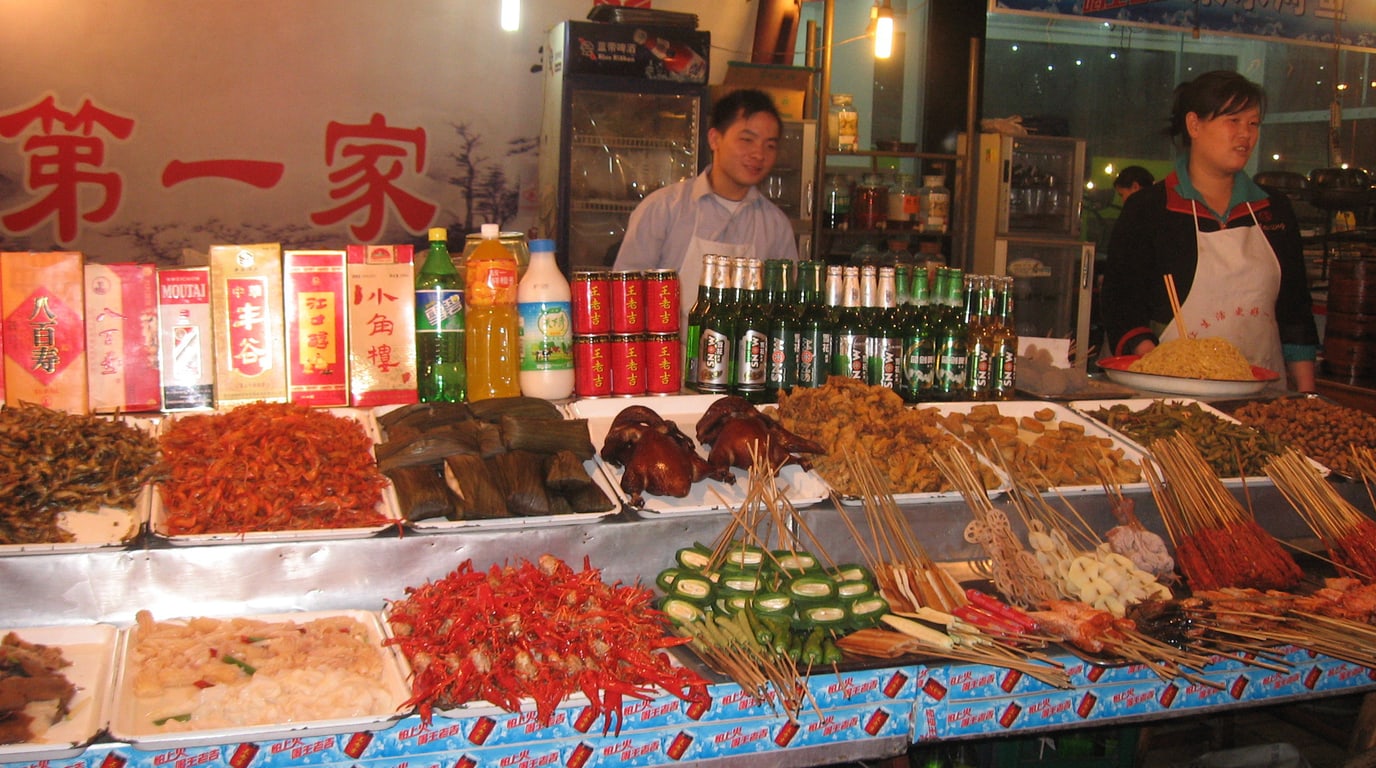
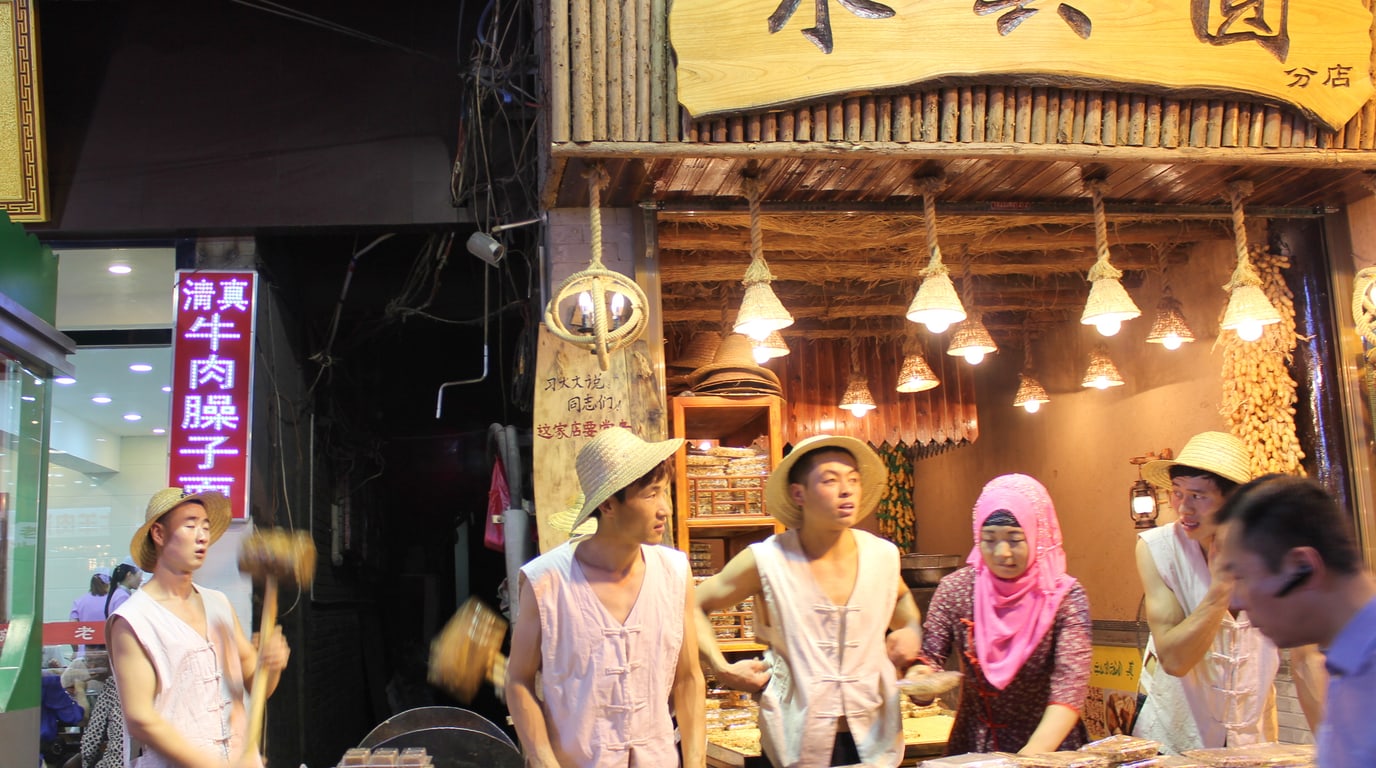
Pozi Street, Taiping Street, Huangxing Road, South Gate, Chaozong Street, a mall food hall, and a residential restaurant are not interchangeable “Changsha food streets.” Resolve the Chinese storefront and branch, check whether the queue is for takeaway or a table, and order one or two dishes before scaling up. Ask about 微辣 only as a request, not a guarantee; chile, fermented ingredients, offal, freshwater products, allergens, and shared oil need dish-level clarification. A creator’s cup or plate becomes a pin only when the exact branch is visible in the caption, sign, receipt, or location tag.

Choose the base by sleep tolerance and first appointment

Wuyi Square is convenient for Lines 1 and 2, Taiping Street, late food, and the river, but it is the loudest and most crowded first-base choice. Furong or the east side of the center can make Changsha Station, Hunan Museum, and quieter mornings easier. A Yuelu or Hunan University base suits campus and mountain time but moves the museum and late-night center across the river. Check the hotel entrance and tower—not just the mall or road—because ride-hail pickup, pedestrian streets, and late crowds can turn a short map distance into a poor luggage arrival.

Keep heat, rain, flood control, sellouts, and late nights recoverable

Summer heat and humidity make open island and mountain distances materially harder; heavy rain can close slopes or the river island while city museums remain usable. Holiday crowds can consume academy, museum, scenic-vehicle, and nightlife capacity without closing the whole city. Keep one indoor museum, one public riverbank walk, and one exact low-queue meal as swaps. Do not treat an old fireworks clip as a schedule, and do not assume metro extensions after an event unless the current operator notice says so.
Places worth building around

The anchors in this digest

Each place keeps the reason it belongs in the day. Full digests also preserve the local name, exact branch or entrance, and a checked execution query.

High-speed rail arrival in Yuhua District

Changsha South Railway Station

长沙南站

01

长沙南站 is the city’s principal high-speed rail hub and connects directly with Metro Lines 2 and 4. It is not the central 长沙站, the separate maglev platform named 磁浮高铁站, or the still-developing 长沙西站; the exact name on the 12306 ticket determines both the first transfer and a realistic hotel arrival time.

Follow the signed metro interchange for the cheapest city transfer. If using a ride-hail, choose the east or west plaza pickup zone shown in the app and meet at that exact zone; do not ask a driver for a generic “Changsha station.” Preserve a separate margin for the walk to the maglev platform when transferring to the airport.

长沙市雨花区花候路,长沙南站

Provincial museum and Mawangdui collection north of the center

Hunan Museum

湖南博物院

02

湖南博物院 is the current institutional name for the provincial museum and the home of the Changsha Mawangdui Han Dynasty Tombs exhibition. It is not the Mawangdui excavation site, Changsha Museum, or a generic “Hunan history museum”; keeping the identity exact preserves the right reservation, entrance, and collection.

Reserve the basic admission through the museum’s current official channel and carry the same passport or valid document. The official English guidance directs overseas visitors to the ticket office with their passport, and the museum normally closes Mondays; verify the newest notice and any separately ticketed temporary exhibition before committing the morning.

长沙市开福区东风路50号,湖南博物院

Paid historic academy inside the wider Yuelu Mountain area

Yuelu Academy

岳麓书院

03

岳麓书院 is a ticketed, capacity-managed historic academy within the broader Yuelu Mountain and Hunan University landscape. It is not the free mountain as a whole, Yuelu Mountain East Gate, Aiwan Pavilion, or Hunan University campus; each has a different entrance, role, and access condition.

Book the academy’s own real-name ticket up to four days including the visit day and use the same passport at the staffed channel. Do not pay an unofficial reseller. Build the mountain walk around the academy’s selected entry window, and keep rain recovery because its old brick surfaces become slippery and severe weather can close the site.

长沙市岳麓区麓山路273号,湖南大学岳麓书院

Long river island reached from Metro Line 2

Orange Isle Scenic Area

橘子洲景区

04

橘子洲景区 is a long island landscape in the Xiang River, not one monument pin or a five-minute stop outside the metro. The station, central visitor area, paid sightseeing vehicle, walking route, and southern head of the island are different planning objects, and crowd or flood controls can change access independently of the rest of Changsha.

Check the live booking and closure state in the current official Changsha visitor platform before entering. Decide whether to walk a bounded section or buy the scenic vehicle rather than assuming the full island is short. During flood control or a major event, the park can close and Line 2 trains can skip 橘子洲站; recover on either riverbank instead.

长沙市岳麓区橘子洲头2号,橘子洲景区

Old-city museum for excavated administrative records

Changsha Bamboo Slips Museum

长沙简牍博物馆

05

长沙简牍博物馆 turns excavated bamboo and wooden documents into evidence of how ancient Changsha was administered and lived in. It is not Hunan Museum, Changsha Museum, Tianxin Pavilion, or the nearby Jia Yi Former Residence project; the exact museum also has an unusual weekly closure pattern that matters to the route.

The museum currently opens Wednesday through the following Monday and closes Tuesday, Lunar New Year’s Eve, and the first two days of the new year. Check its official notice because an ongoing display upgrade can alter galleries. Admission is free; use the saved Chinese name and Baisha Road address rather than a generic “slips museum” search.

长沙市天心区白沙路92号,长沙简牍博物馆

Ticketed riverfront interior and evening viewpoint

Du Fu Pavilion

杜甫江阁

06

杜甫江阁 is a modern commemorative pavilion with an interior cultural display and river view, not the whole Xiang River promenade, a guaranteed fireworks viewpoint, or proof of an original Tang structure. Its useful role is to connect Du Fu’s late Changsha years with a bounded evening walk on the east bank.

Check the live product, last entry, and performance options in the official Changsha visitor platform; an exterior river walk and paid entry are separate choices. On crowded nights, skip the interior rather than queueing only for a skyline photo, and never plan around fireworks unless an official dated notice confirms them.

长沙市天心区湘江中路二段108号,杜甫江阁

Guide matches

Start with these guides

These are the current China Travel Made Easy guides most relevant to planning Changsha. Start here for the logistics that affect cost, comfort, and avoidable mistakes before the route gets specific.

Destination QA

Answers for planning Changsha

What is Changsha best for on a China trip?

+

Changsha is best for a river-island-mountain city whose history runs from excavated Han tombs and administrative slips to academies, poetry, food queues, and late nights. Changsha becomes more than a spicy-food montage when the Xiang River, Orange Isle, Yuelu Mountain, excavated documents, provincial collections, and exact commercial branches remain distinct planning objects.

Where should travelers start in Changsha?

+

Start with Changsha South Railway Station in High-speed rail arrival in Yuhua District, Hunan Museum in Provincial museum and Mawangdui collection north of the center, Yuelu Academy in Paid historic academy inside the wider Yuelu Mountain area, Orange Isle Scenic Area in Long river island reached from Metro Line 2, Changsha Bamboo Slips Museum in Old-city museum for excavated administrative records, Du Fu Pavilion in Ticketed riverfront interior and evening viewpoint. These are useful first pins before adding nearby food, transit, and stay ideas.

Which guides should I read before visiting Changsha?

+

Start with China Street Food & Night Markets: City Routes, Stall Evidence & Safer Ordering, Ordering Food in China: QR Menus, Dietary Cards & Delivery Recovery, China's High-Speed Trains: Booking on 12306 or Trip.com as a Foreigner. These guides cover the practical setup and decisions most relevant to this destination.

Can I save Changsha recommendations from posts or screenshots?

+

Yes. Use Save Places to paste the caption, OCR text, note, or place list, then review the bilingual identities before creating AMap or Apple Maps handoffs. A bare social URL is not fetched by the static prototype.