Build the trip around one early start and one long sit
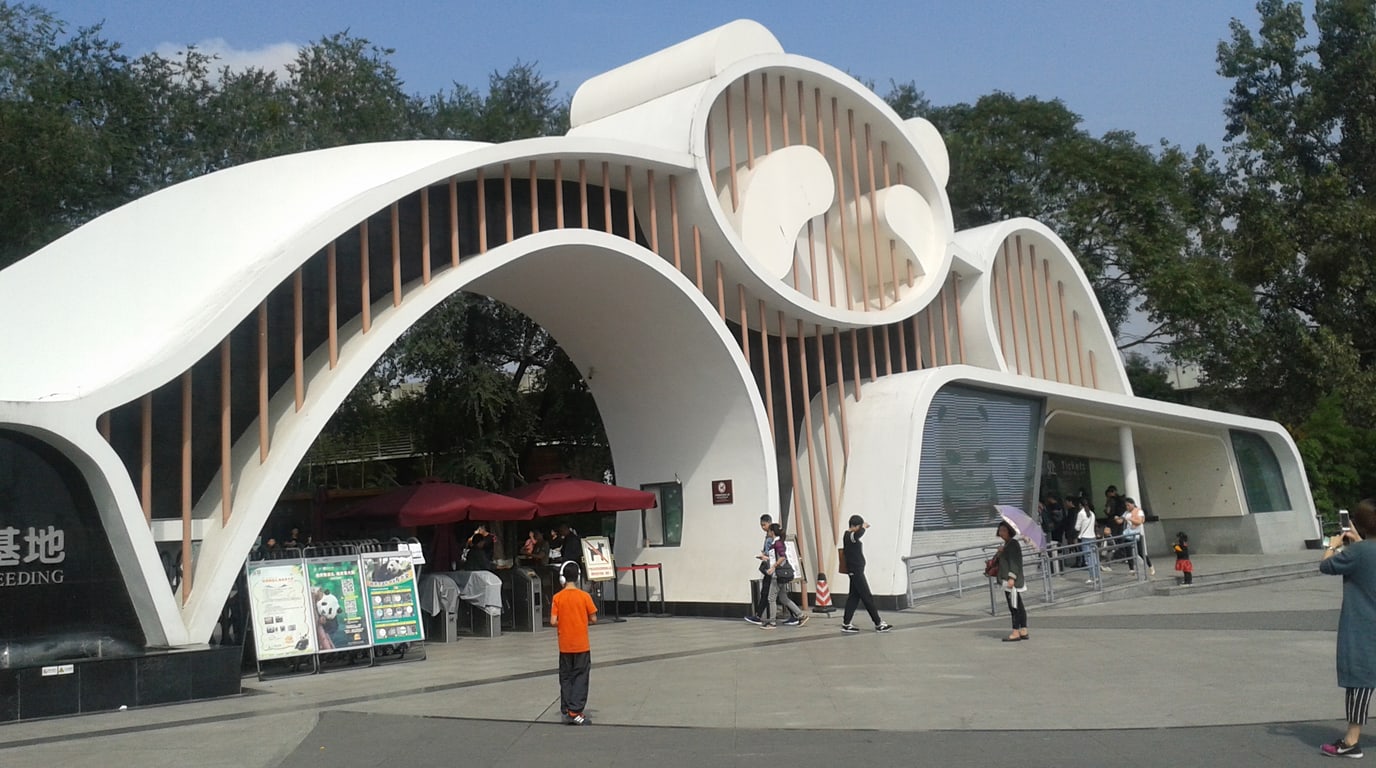
The Panda Base is the only city essential that should dictate a morning. Give it the early slot and carry the original ID used for the real-name reservation. Give a different day to People’s Park and Heming Tea House, where the point is not to photograph a covered bowl and leave but to sit long enough to notice cards, conversation, matchmaking notices, and the ordinary use of public space. Those two rhythms—early and deliberate, then slow and open-ended—explain Chengdu better than a ranked attraction list.
Day one: learn the city before consuming its image
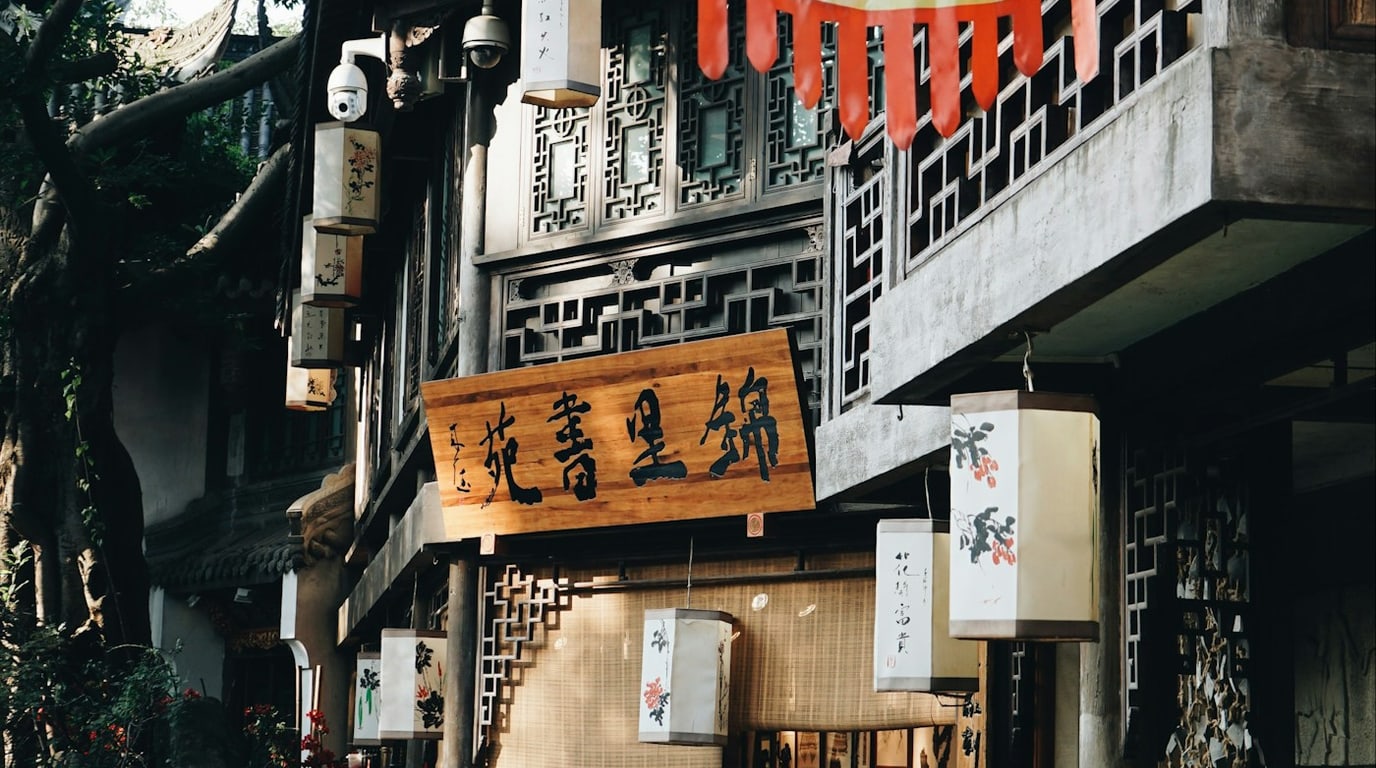
Start at Chengdu Museum for the Jinsha-era foundations, shadow puppetry, and urban history that make later temples and neighborhoods legible. Walk or take the metro to People’s Park, then decide whether Heming Tea House is the experience you want or merely the most famous table. Continue toward the Kuanzhai area only as a short architectural and commercial contrast; do not give the reconstructed retail lanes the time that belongs to the park, museum, or an ordinary dinner street.
Day two: treat the Panda Base as a campus, not a pin
The base covers roughly 238 hectares and has South and West gates, internal zones, museums, and a sightseeing-bus network. Save the gate you intend to enter, not only the campus center. Reserve a dated morning or afternoon slot, arrive with the same passport or identity document, and accept that animals may choose indoor spaces or rotate away from high-traffic enclosures. After the visit, use Wenshu Monastery as a quiet, central counterweight rather than squeezing another outlying attraction into the same day.
Day three: choose neighborhood life over a second tourist street
Use Yulin West Road as a bounded evening area rather than one magic pin: start near Fangcao Street, walk the side streets, and choose a cafe, bar, noodle shop, or restaurant only after confirming the Chinese storefront and current branch. Wuhou Shrine is the stronger paid stop when Three Kingdoms history matters; adjacent Jinli is the commercial afterword, not a second historical site. If that history does not interest you, keep the day for Yulin, a park, and one food mission instead.
Eat by format, branch, and tolerance—not fame
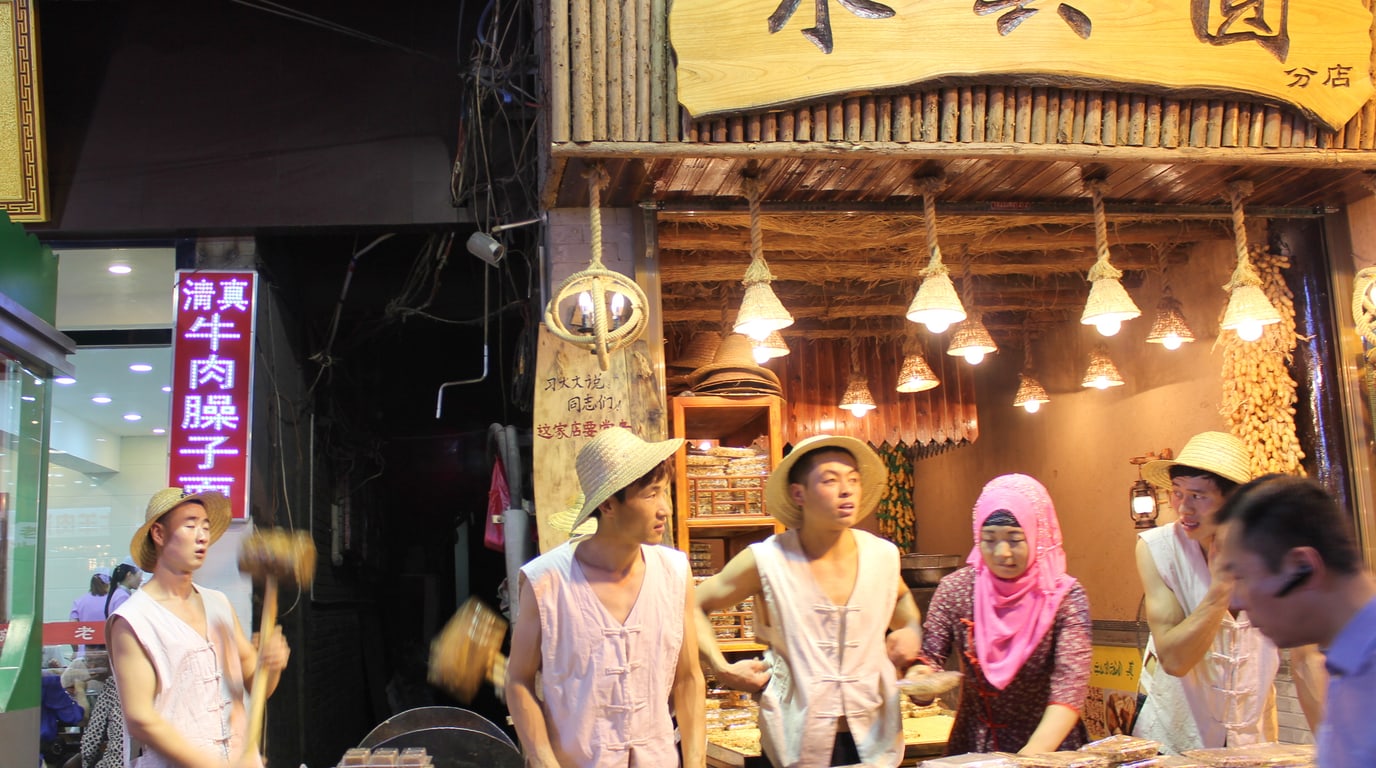
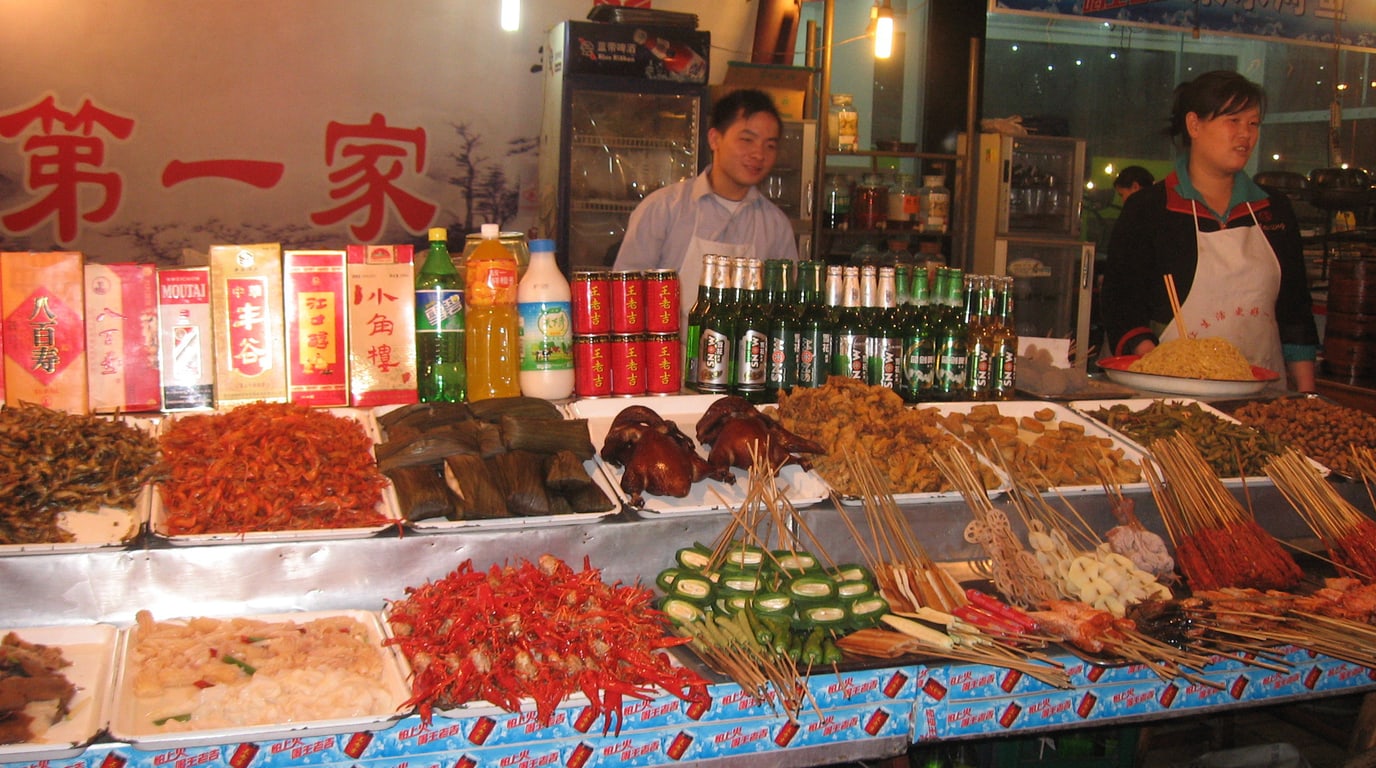
Hotpot, chuanchuan, tianshuimian, mapo tofu, rabbit, and small snacks describe different meal formats and risks. A short video naming only “Chengdu hotpot” is a lead, not a resolved place. Confirm the Chinese restaurant name, branch, queue method, broth, portion pattern, and whether the group can share spice and dietary constraints. For a medical allergy, a vegan diet, or celiac disease, do not infer safety from “not spicy”; stock, oils, sauces, and shared cooking surfaces are separate questions.
Choose the airport before choosing the hotel
Chengdu has both Tianfu International Airport and Shuangliu International Airport. They are not interchangeable arrival labels. Save the airport code, terminal, hotel’s Chinese name, and planned ride before landing; Tianfu in particular can turn a late arrival or short layover into a distance problem. For a first city stay, the central belt around Tianfu Square, People’s Park, and the metro is operationally easier than choosing a room from a straight-line map view.
Keep Sichuan excursions outside the city edition
Leshan, Dujiangyan and Mount Qingcheng, Sanxingdui, Jiuzhaigou, and western Sichuan are not extra Chengdu pins. Each creates its own booking, station, last-mile, weather, and return chain. Add one only after the city has at least two full days, and save it to a separate day or collection so a creator’s quick montage cannot hide the transfer. This is the practical difference between a Chengdu map and a Sichuan wish list.