China Travel Made Easy
All destinations

City

Dali

Cangshan weather, Erhai slow travel, Bai merchant towns, and an old city that needs context

Dali becomes a coherent trip when Xiaguan, the old city, Cangshan, the west-shore corridor, and Xizhou are treated as different places with different transport and recovery plans—not as one scenic lake loop.

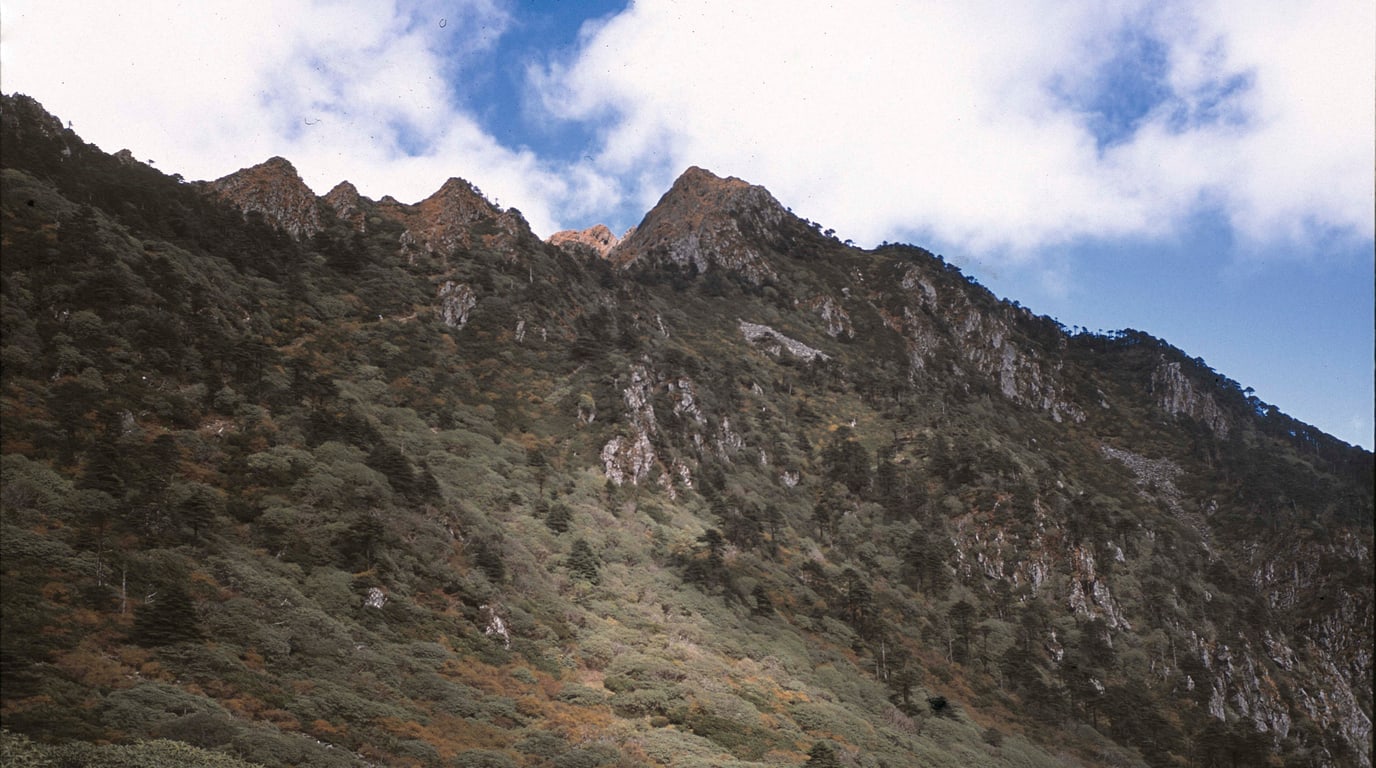
Cangshan mountain rising above Dali in Yunnan
Cover source: Dali and Cangshan

Destination digest

Dali, beyond the checklist

Dali occupies a narrow inhabited shelf between Cangshan and Erhai. The railway station and airport serve Xiaguan to the south; the old city sits below the mountain; Xizhou is farther up the west shore; and Shuanglang is across the lake. Four days let those distances become a journey instead of a rushed circuit.

Useful minimum
Four days; keep one mountain day movable because Cangshan access is weather-dependent
Best first base
Dali Old Town for walkable evenings and west-side sights; Xiaguan only when station or airport logistics dominate
Arrival rule
大理站 is in Xiaguan, not inside 大理古城—save the exact South Gate handoff before boarding
Mountain rule
甘通索道, 中和索道, and 苍山大索道 are different products; never follow a generic “Cangshan cable car” pin
Lake rule
Choose a named ecological-corridor entrance and return point; do not turn one Erhai pin into an automatic motorized circuit
Heritage rule
The ancient Three Pagodas and reconstructed Chongsheng Temple fabric require different historical readings

Read Dali as a landscape with several centers

“Dali” can mean the prefecture, modern Xiaguan, Dali Old Town, or a much wider ring around Erhai. That ambiguity causes the first planning failure. Dali Railway Station is in Xiaguan, well south of the old city. Cangshan rises immediately west of the old city, while Xizhou continues north on the west shore and Shuanglang faces it from the east. Save the exact Chinese destination at every transfer; a generic Dali or Erhai pin is not an executable plan.

Day one: enter the old city through evidence, not atmosphere

Use the South Gate visitor center as the arrival anchor, then walk north on Fuxing Road to Dali City Museum, only about 200 meters inside the gate. The museum occupies the former Du Wenxiu Marshal Mansion and makes the city’s Nanzhao–Dali, imperial, Muslim-rebellion, and modern histories available before the lanes become shops and nightlife. It currently lists free admission Tuesday–Sunday, 09:00–17:00, last entry 16:30, a 1,000-person daily limit, and valid-ID collection of a same-day ticket; confirm the live notice.

Day two: choose one Cangshan product and keep a recovery day

Cangshan is not one cable car. Gantong, Zhonghe, and the Cangshan Grand Cableway use different lower stations and lead to different routes. This guide resolves the Grand Cableway lower station at Tianlongbabu Film City; its upper Ximatan landscape is close to 4,000 meters and can close for wind, ice, storms, maintenance, or fire control. Use only an officially open entrance, check the same-day notice, carry layers and water, descend if altitude symptoms build, and never replace a closure with an unregistered trail suggested by a clip.

Read the Three Pagodas before the reconstructed temple

Chongsheng Temple’s three brick pagodas are the surviving historic core and among southwest China’s most important Buddhist monuments. Much of the temple complex behind them is a modern reconstruction after the original buildings were lost. That distinction makes the visit better: begin with the pagoda ensemble, conservation displays, and Cangshan–Erhai alignment, then decide how much of the large reconstructed axis you want. The cultural-tourism area has its own entrance, ticket, and closing time; it is not a walk-through extension of the old city.

Use Erhai as a protected corridor, not a race around water

The west-shore ecological corridor is a lake-buffer and village landscape as much as a cycle path. Start at the named Longkan entrance and choose a return point that matches daylight, weather, and your bicycle. Current enforcement prohibits motor vehicles and electric vehicles from entering the corridor casually and targets unauthorized rentals, camping, cooking, fishing, and roadside obstruction. A 15-second lake-loop clip does not prove a legal or safe route; use compliant shared bicycles or official services and keep the road-based east-shore circuit as a separate transport decision.

Give Xizhou a heritage half-day of its own

Xizhou is not an old-town cafe annex. Its courtyard houses record Bai building craft, agriculture, education, and the merchant networks that connected western Yunnan to wider trade. Anchor the visit at Yan Family Courtyard Museum off Sifang Street, then walk slowly enough to notice thresholds, screen walls, painted beams, working courtyards, fields, and newer visitor businesses without confusing them. The city’s current protection plan explicitly frames the courtyard as a museum for Xizhou’s commercial tradition and Confucian merchant culture; check live opening and ticket information locally.

Stay for the trip you are actually taking

The old city is the easiest first base for walkable evenings, Cangshan, and Three Pagodas. Xiaguan is better for a late train, early flight, or modern-city errands. Xizhou rewards a quieter north-shore stay but adds transfers to the station and mountain entrances. Shuanglang is a separate east-shore base, not a convenient substitute for all three. Four days works well: old city and museum; Cangshan with weather recovery; Longkan corridor plus Three Pagodas; and Xizhou. Add an east-shore day instead of compressing it into the same loop.

Places worth building around

The anchors in this digest

Each place keeps the reason it belongs in the day. Full digests also preserve the local name, exact branch or entrance, and a checked execution query.

Old-city arrival and orientation anchor

Dali Ancient City South Gate Visitor Center

大理古城南门游客中心

01

The South Gate visitor center is the most reliable handoff between Dali Station or the airport and the pedestrian old city. It prevents “Dali” from resolving to Xiaguan, a generic old-town center, another city gate, or the wider prefecture, and starts a useful Fuxing Road route to the city museum rather than dropping a traveler into nightlife without context.

The prefecture guide lists station services to this visitor center, but its detailed transport confirmation is older. Recheck the current official through-bus or public-bus stop on arrival, keep the physical destination in Chinese, and do not accept a driver’s substitute hotel, parking lot, or east-gate drop as the same place.

大理市大理镇一塔路,大理古城南门外游客中心

Fuxing Road city-history anchor

Dali City Museum

大理市博物馆

02

The municipal museum inside the former Du Wenxiu Marshal Mansion gives Dali Old Town a historical center before its shops and bars take over the story. It is about 200 meters north of the South Gate and is a different institution from Dali Prefecture Museum in Xiaguan or private museums with “Dali” in their translated names.

The current guide lists free admission Tuesday–Sunday 09:00–17:00, last entry 16:30, Monday closure except public holidays, valid-ID ticket collection, and a daily cap of 1,000 split across morning and afternoon. Carry the passport used for travel and check any temporary closure before building the whole first day around it.

大理市大理古城复兴路111号

North of Dali Old Town heritage complex

Chongsheng Temple Three Pagodas Cultural Tourism Area entrance

崇圣寺三塔文化旅游区入口

03

This entrance grounds the paid monument complex north of the old city. The three surviving ancient pagodas are the historical core; the long temple axis behind them is largely reconstructed. Saving the entrance rather than a picturesque center pin keeps the ticket, opening time, walking distance, and distinction between original monument and later interpretation attached.

The official overview has historically listed 07:30–18:30, but hours and last admission can change by season or event. Check the live ticket notice, allow several hours if walking the full uphill axis, and do not treat the complex as a free old-city lane or assume a “Three Pagodas” hotel or photo viewpoint is the entrance.

大理市大理镇三文笔村,崇圣寺三塔文化旅游区入口

Xizhou merchant-architecture anchor

Yan Family Courtyard Museum

喜洲严家大院博物馆

04

Yan Family Courtyard is a specific historic compound for reading Xizhou’s Bai courtyard architecture, commercial networks, and Confucian merchant culture. The exact museum identity prevents substitution with another Yan residence, a generic Sifang Street pin, a staged folk house, or the many newer cafes and guesthouses using Xizhou imagery.

The current city heritage plan describes the courtyard’s museum role, but live visitor hours and ticket details should be checked locally. Arrive before the busiest tour groups, ask before photographing occupied or restricted rooms, and use the courtyard as the start of a slower town walk—not as proof that every decorated facade is historic or publicly accessible.

大理市喜洲镇四方街富春里1号

West-shore slow-mobility route start

Longkan entrance to the Erhai Ecological Corridor

洱海生态廊道龙龛入口

05

Longkan is a named entrance to the protected west-shore ecological corridor, not a generic pin in Erhai. It gives a walking or bicycle segment a real start, makes a return plan possible, and separates the quiet lake-buffer path from the public roads, villages, east-shore highway, sunrise photo points, and broad “cycle around the lake” promise shown in short videos.

Current city enforcement targets casual motor-vehicle and electric-vehicle entry, unauthorized rentals, camping, cooking, fishing, and blocked access at Longkan and other gates. Use compliant shared bicycles or official services, inspect the bike, keep daylight and wind in the return calculation, and never assume a modified e-bike offered outside the entrance is legal or safe.

大理市大理镇龙龛村,洱海生态廊道龙龛入口

High Cangshan route decision point

Cangshan Grand Cableway lower station

苍山大索道下站(天龙八部影视城)

06

The official 2026 route notice places the Cangshan Grand Cableway lower station at Tianlongbabu Film City and distinguishes it from Gantong and Zhonghe cableways. This identity matters because the routes, upper elevations, ticket products, closure notices, transport approaches, and physical demands are not interchangeable when a guide or map says only “Cangshan cable car.”

Ximatan is close to 4,000 meters. Check same-day official opening, wind and storm conditions before traveling to the lower station; carry warm and rain layers even when the old city is mild. Use only authorized open routes, allow a recovery plan such as the city museum or Three Pagodas, and descend promptly if headache, nausea, dizziness, or unusual fatigue develops.

大理市苍山景区天龙八部影视城内,苍山大索道下站
Guide matches

Start with these guides

These are the current China Travel Made Easy guides most relevant to planning Dali. Start here for the logistics that affect cost, comfort, and avoidable mistakes before the route gets specific.

Destination QA

Answers for planning Dali

What is Dali best for on a China trip?

+

Dali is best for cangshan weather, Erhai slow travel, Bai merchant towns, and an old city that needs context. Dali becomes a coherent trip when Xiaguan, the old city, Cangshan, the west-shore corridor, and Xizhou are treated as different places with different transport and recovery plans—not as one scenic lake loop.

Where should travelers start in Dali?

+

Start with Dali Ancient City South Gate Visitor Center in Old-city arrival and orientation anchor, Dali City Museum in Fuxing Road city-history anchor, Chongsheng Temple Three Pagodas Cultural Tourism Area entrance in North of Dali Old Town heritage complex, Yan Family Courtyard Museum in Xizhou merchant-architecture anchor, Longkan entrance to the Erhai Ecological Corridor in West-shore slow-mobility route start, Cangshan Grand Cableway lower station in High Cangshan route decision point. These are useful first pins before adding nearby food, transit, and stay ideas.

Which guides should I read before visiting Dali?

+

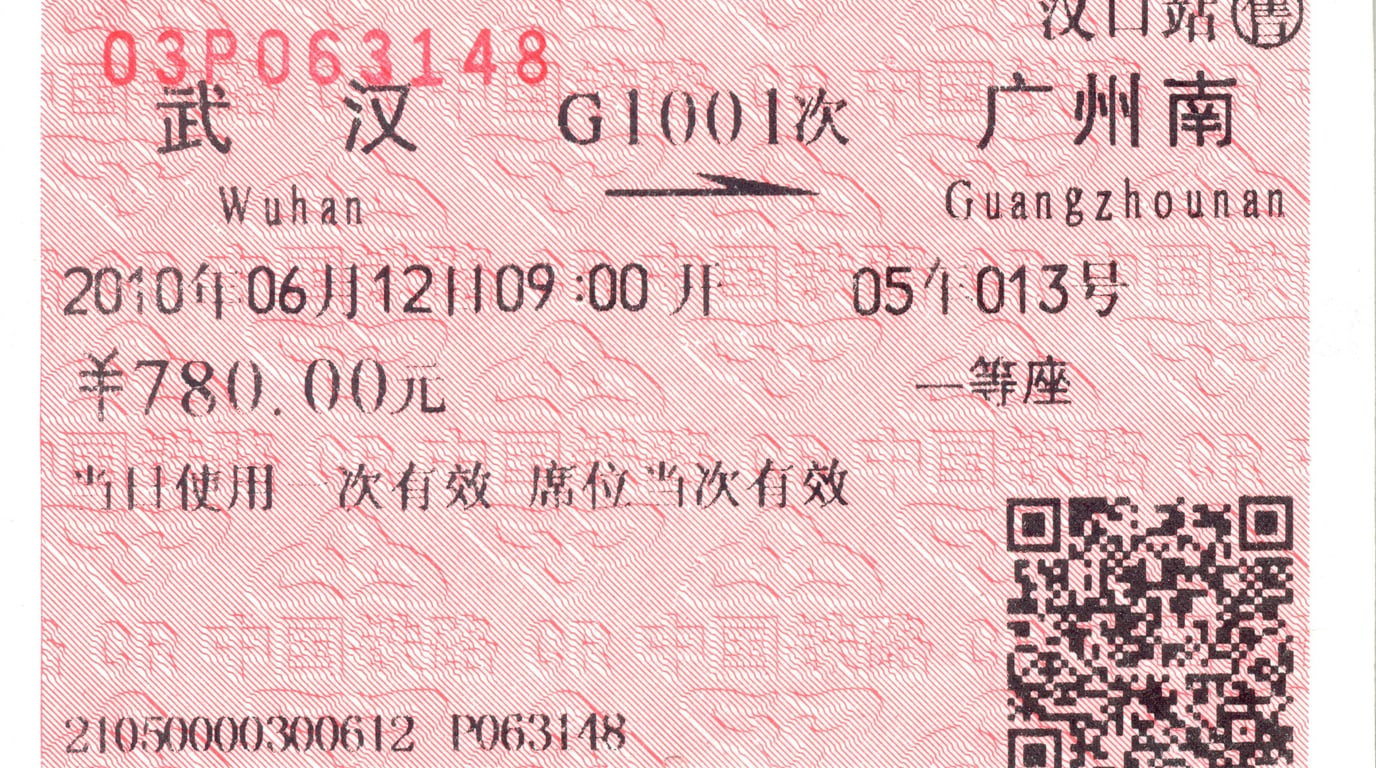
Start with China's High-Speed Trains: Booking on 12306 or Trip.com as a Foreigner, China Attraction Tickets: Passport Booking, Release Windows & Sold-Out Recovery, China Neighborhood Walks: Public Routes, Residential Boundaries & Reliable Exits. These guides cover the practical setup and decisions most relevant to this destination.

Can I save Dali recommendations from posts or screenshots?

+

Yes. Use Save Places to paste the caption, OCR text, note, or place list, then review the bilingual identities before creating AMap or Apple Maps handoffs. A bare social URL is not fetched by the static prototype.