China Travel Made Easy
All destinations

City

Datong

A former Northern Wei capital where imperial grottoes, surviving Liao–Jin timber halls, a Ming frontier wall, and a rebuilt old city demand different kinds of looking

Datong is more than a Yungang stop. It is the Shanxi city where cave art, dynastic capital-making, frontier history, coal-era change, and contemporary reconstruction can be read as one argument—if the map keeps the real monuments, visitor centers, and transport contracts separate.

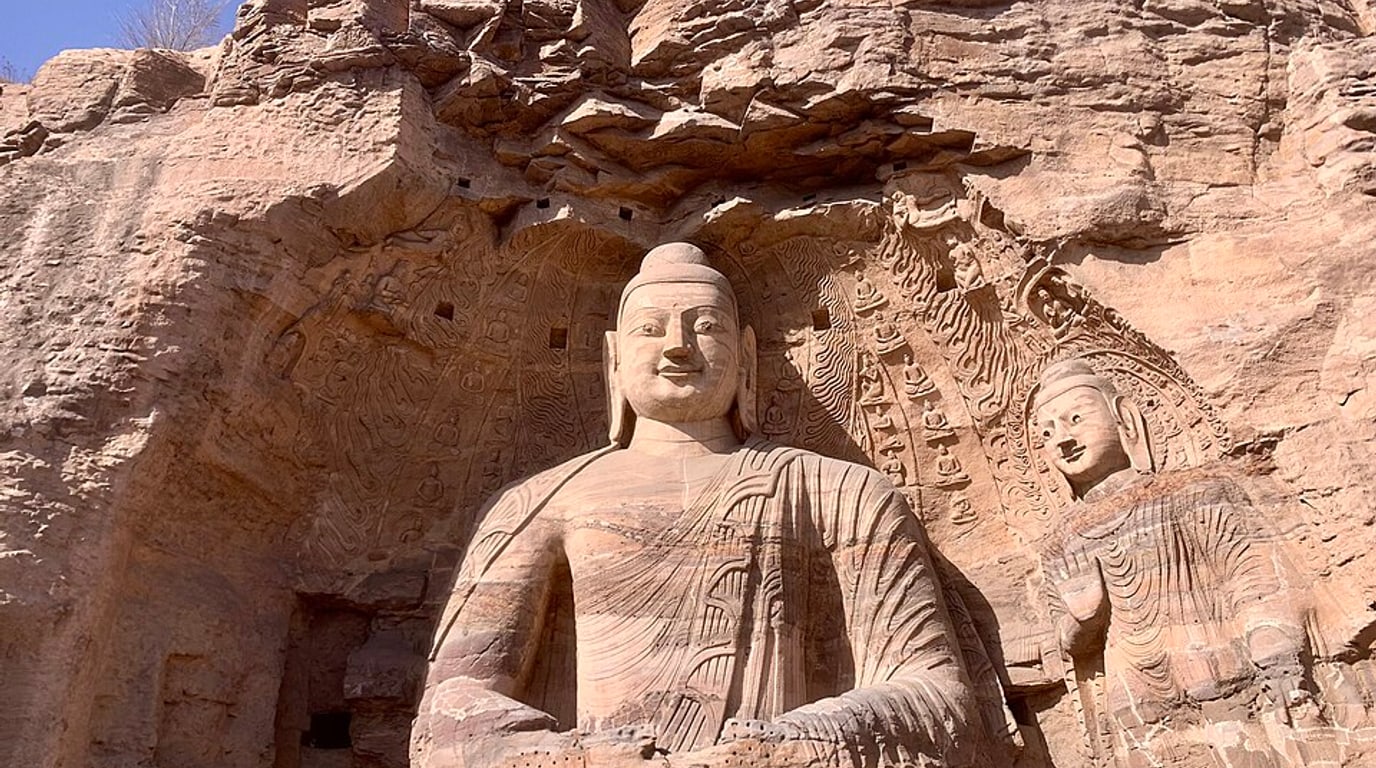
Cave 20 and its monumental Buddha at the Yungang Grottoes near Datong
Cover source: Cave 20, Yungang Grottoes

Destination digest

Datong, beyond the checklist

Datong rewards travelers who look past the “ancient city” label. Yungang records an imperial Buddhist project on the western cliffs; Huayan and Shanhua preserve rare Liao–Jin timber halls; the Ming wall describes a frontier city; and the rebuilt streets reveal how modern Datong presents that past. Give the layers three days instead of making the city a one-stop cave excursion.

Useful minimum
Three full days: museum and old city, Yungang, then Hunyuan only with a secured return
Best first base
Old-city edge for walkable evenings; east near Datong South only when rail and museum logistics dominate
Arrival rule
大同南站, 大同站, and 大同云冈国际机场 are different last-mile contracts
Heritage rule
Surviving temple fabric, restored wall structure, and rebuilt tourist streets must be described separately
Yungang rule
Book ahead, carry the registered document, and verify the exact cave-access notice
Hunyuan rule
Save 恒山游客中心, both ticket products, the shuttle, current weather, and a protected return

Read four Datongs instead of one old town

Begin with Northern Wei Pingcheng, the capital that made Yungang possible; then look for the Liao–Jin western capital in the surviving halls of 华严寺 and 善化寺. The wall system belongs chiefly to the Ming frontier city, while coal, industrial growth, relocation, demolition, and large-scale rebuilding shaped the city visitors see today. These layers overlap but are not interchangeable. The temples contain surviving fabric; much of the current wall envelope and tourist streets is restored or reconstructed. That distinction makes the city more interesting, not less.

Arrival: separate the south station from the old northern station

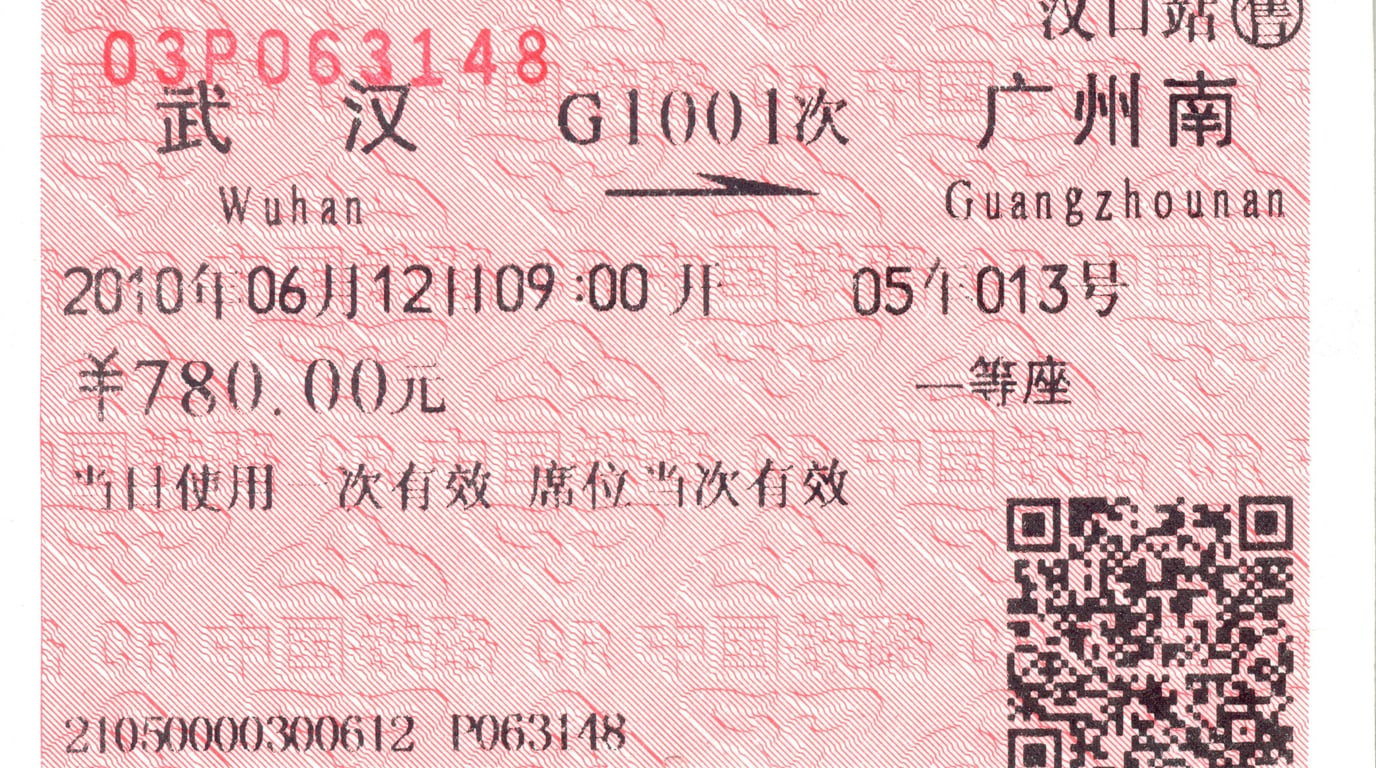
大同南站 is the principal high-speed-rail arrival east of the historic core. The integrated 大同综合客运中心 sits about 200 metres west through the underground corridor and consolidates buses, taxis, long-distance coaches, and tourist services. 大同站 is a different, older station north of the walled city; 大同云冈国际机场 is a third last-mile problem. Save the Chinese identity printed on the ticket before choosing a base, and verify current shuttle times rather than copying a dated timetable from a video.

Day one: use the museum, then test the old city against it

Start at 大同市博物馆, whose sequence from prehistoric settlement through Northern Wei, Liao–Jin, Ming–Qing, and modern Datong supplies the chronology missing from a monument checklist. The main museum at 太和路506号 keeps its own real-name reservation and valid-document rules; branch museums do not automatically share them. Continue to 华严寺 and 善化寺, where surviving halls, sculpture, and spatial order anchor the old-city day. Walk one wall gate or section after dark, but do not let a rebuilt streetscape stand in for the historic city you just learned to identify.

Day two: give Yungang the time its evidence deserves

云冈石窟 is a cliff sequence, museum landscape, and imperial project—not a single outdoor Buddha. Current rules require online real-name, timed booking in advance and do not promise same-day tickets or an on-site sales window. International visitors use a passport or accepted travel document and can access dedicated help at the visitor center. Cave maintenance, weather, capacity, and temporary closures change what can be entered, so save the visitor center and current notice; a video naming only “the Yungang Buddha” cannot prove a cave number, interior, or present access state.

Day three: make Hanging Temple a separate county contract

悬空寺 is in Hunyuan County, not urban Datong. Since visitors must first reach 恒山游客中心 and transfer by scenic shuttle, that visitor center is the useful map handoff. Climbing requires both park admission and a scarce, separately controlled 登临票. The current 2026 system keeps a seven-day window, splits online inventory between a daytime release and a previous-evening release, uses face verification online and offline, and authorizes Trip.com for overseas visitors. Keep the passport, booking identity, shuttle, return vehicle, and weather fallback aligned; never buy a “guaranteed” ticket or ride from an unofficial seller.

Stay for the evenings you actually want

Inside or along the old-city edge is the best first base for temple access, evening walls, and meals without another long ride. The east side near Datong South and the museum is rational for a late arrival, early train, or a trip dominated by rail and newer-city institutions. Check the hotel’s Chinese address and ride time to both 大同南站 and the intended old-city gate. A property advertised as “near Datong” can still leave every evening dependent on a car across broad roads or reconstructed blocks.

Treat food clips as dishes until the storefront is proven

刀削面, 羊杂, 大同烧麦, 浑源凉粉, 兔头, and 油糕 are useful eating vocabulary, not restaurant identities. Preserve the creator’s actual experience, visit date, Chinese storefront, branch, address, visible dish, and opening evidence before creating a pin. Hunyuan liangfen belongs to a county outing unless an exact Datong branch is named. A bowl, logo, or “best in Datong” caption never justifies substituting the highest-ranked map result.

Build recovery around capacity, closures, and northern weather

If Yungang is sold out, do not compress it into the morning before a train: use the museum and old-city temples, then rebook a real cave day. If a temple interior or museum is closed, keep one independently verified indoor anchor and one public wall or street route. Wind and severe cold can make exposed walls punishing; summer storms can affect cliff routes, roads, and Hanging Temple operations. Recheck the official notice on the travel day, protect the return, and drop the county excursion before risking an onward train.

Use short video as cited media, not location authority

A useful Datong clip names the cave number, hall, wall gate, museum, restaurant branch, ticket product, and visit date—or admits what it does not know. Preserve caption, transcript, OCR, and visible signage as evidence, with explicit addresses outranking visual resemblance. A statue montage cannot identify a Yungang cave; wall footage cannot prove original fabric; an archival city cannot be mapped as a current street. Publish the story when it adds experience, but only save a pin after the Chinese POI and provider identity agree.

Keep the Shanxi route at city scale

Taiyuan, Datong, Pingyao, Wutai Mountain, Yingxian, and county temple routes are different editions, not one province-wide collection. Datong can support a clearly labeled Hunyuan excursion because the ticket, visitor-center, shuttle, and return contract are explicit; it should not silently absorb Pingyao or Taiyuan. When a user imports a mixed Shanxi list, split it into city or county plans before resolving pins and show the transfer that joins them.
Places worth building around

The anchors in this digest

Each place keeps the reason it belongs in the day. Full digests also preserve the local name, exact branch or entrance, and a checked execution query.

Pingcheng high-speed-rail arrival and integrated passenger hub

Datong South Railway Station

大同南站

01

This is the principal high-speed-rail arrival east of central Datong. It is not 大同站 north of the walled city or the airport; the linked 大同综合客运中心 lies about 200 metres west through the underground corridor and concentrates buses, taxis, coaches, and tourist transfers.

Read the Chinese station on the 12306 ticket, then follow signs through the underground corridor when the bus, taxi, or coach departs from the integrated center. Verify current Yungang, ancient-city, or Hunyuan departures on the travel day rather than treating an old timetable as a guaranteed connection.

大同市平城区开源街道,大同南站

Pingcheng municipal-history anchor in the new city

Datong Museum

大同市博物馆

02

The main municipal museum establishes the prehistoric, Northern Wei, Liao–Jin, Ming–Qing, and modern chronology needed to read Yungang and the old city. It is not one of Datong Museum’s branch venues, an art museum, or a generic museum result on the wider cultural campus.

Use the main museum’s own official real-name reservation and current visitor notice, bring the registered valid document, and confirm the weekly closure and last entry. Branch museums may use different access rules, so never transfer one venue’s booking assumptions to another.

大同市平城区太和路506号

Yungang advance-booking, passport-help, storage, and cave-access gateway

Yungang Grottoes Visitor Center

云冈石窟游客服务中心

03

The visitor center is the executable identity for a Yungang day: it connects the timed reservation, passport support, consultation, storage, and the controlled route into the cave sequence. It is not Cave 20, the Yungang museum, a parking lot, or a broad scenic-area center point.

Book through the official or authorized channel before the day, carry the same passport or accepted document used to reserve, and read the latest cave-closure notice. If no valid slot exists, use a Datong museum or old-city day and rebook; do not buy an unofficial promise of same-day access.

大同市云冈区云冈镇,云冈石窟景区

Old-city Liao–Jin temple and sculpture anchor

Huayan Temple scenic-area entrance

华严寺景区入口

04

This entrance resolves the protected temple complex and its surviving halls, including the 1038 Bojiajiaozang Hall. It is not the commercial plaza, Huayan Street, a hotel, the reconstructed pagoda as a standalone attraction, or a parking entrance with the same landmark label.

Check the temple’s own current opening and ticket notice before setting the old-city order. Enter for the halls and sculpture, then save any restaurant, wall gate, commercial street, or night-view stop separately; proximity does not make them part of the same product.

大同市平城区清远街中段,华严寺景区入口

Old-city southern Liao–Jin architectural anchor

Shanhua Temple

善化寺

05

Shanhua Temple preserves a coherent axis with major Liao–Jin halls, sculpture, and later additions. It is the surviving temple at 南寺街9号—not the reconstructed south gate district, a broad old-city pin, or a similarly named religious site.

Verify the temple’s current access and last entry independently of Huayan Temple. Pair the two only when their actual schedules fit; otherwise use the public streets and wall as recovery rather than rushing an interior at closing time.

大同市平城区南寺街9号

Hunyuan County ticket, shuttle, and return handoff for Hanging Temple

Hengshan Visitor Center for Hanging Temple

恒山游客中心(悬空寺换乘)

06

All visitors must first use Hengshan Visitor Center before the scenic shuttle to Hanging Temple, making this the honest operational pin. It is not the cliff structure, a roadside photo stop, Hunyuan bus station, or the separate Hengshan mountain route; Hunyuan remains a county excursion from urban Datong.

Secure park admission and the separate scarce climbing ticket through an authorized route, keep the registered passport ready for face verification, and confirm the shuttle and return before leaving Datong. Check the official weather notice and avoid illegal drivers or resellers; if the contract fails, drop the excursion rather than risk the onward journey.

大同市浑源县大磁窑镇,恒山游客中心

Guide matches

Start with these guides

These are the current China Travel Made Easy guides most relevant to planning Datong. Start here for the logistics that affect cost, comfort, and avoidable mistakes before the route gets specific.

Destination QA

Answers for planning Datong

What is Datong best for on a China trip?

+

Datong is best for a former Northern Wei capital where imperial grottoes, surviving Liao–Jin timber halls, a Ming frontier wall, and a rebuilt old city demand different kinds of looking. Datong is more than a Yungang stop. It is the Shanxi city where cave art, dynastic capital-making, frontier history, coal-era change, and contemporary reconstruction can be read as one argument—if the map keeps the real monuments, visitor centers, and transport contracts separate.

Where should travelers start in Datong?

+

Start with Datong South Railway Station in Pingcheng high-speed-rail arrival and integrated passenger hub, Datong Museum in Pingcheng municipal-history anchor in the new city, Yungang Grottoes Visitor Center in Yungang advance-booking, passport-help, storage, and cave-access gateway, Huayan Temple scenic-area entrance in Old-city Liao–Jin temple and sculpture anchor, Shanhua Temple in Old-city southern Liao–Jin architectural anchor, Hengshan Visitor Center for Hanging Temple in Hunyuan County ticket, shuttle, and return handoff for Hanging Temple. These are useful first pins before adding nearby food, transit, and stay ideas.

Which guides should I read before visiting Datong?

+

Start with China's High-Speed Trains: Booking on 12306 or Trip.com as a Foreigner, China Attraction Tickets: Passport Booking, Release Windows & Sold-Out Recovery, China Neighborhood Walks: Public Routes, Residential Boundaries & Reliable Exits. These guides cover the practical setup and decisions most relevant to this destination.

Can I save Datong recommendations from posts or screenshots?

+

Yes. Use Save Places to paste the caption, OCR text, note, or place list, then review the bilingual identities before creating AMap or Apple Maps handoffs. A bare social URL is not fetched by the static prototype.