China Travel Made Easy
All destinations

City

Fuzhou

A banyan-shaded Min River capital where old lanes, provincial collections, mountain paths, and shipyard history need different days and exact entrances

Fuzhou becomes more than a stop between Xiamen and Pingtan when the old city, provincial museum, Drum Mountain, Mawei shipyard heritage, two rail hubs, and airport express remain connected but operationally distinct.

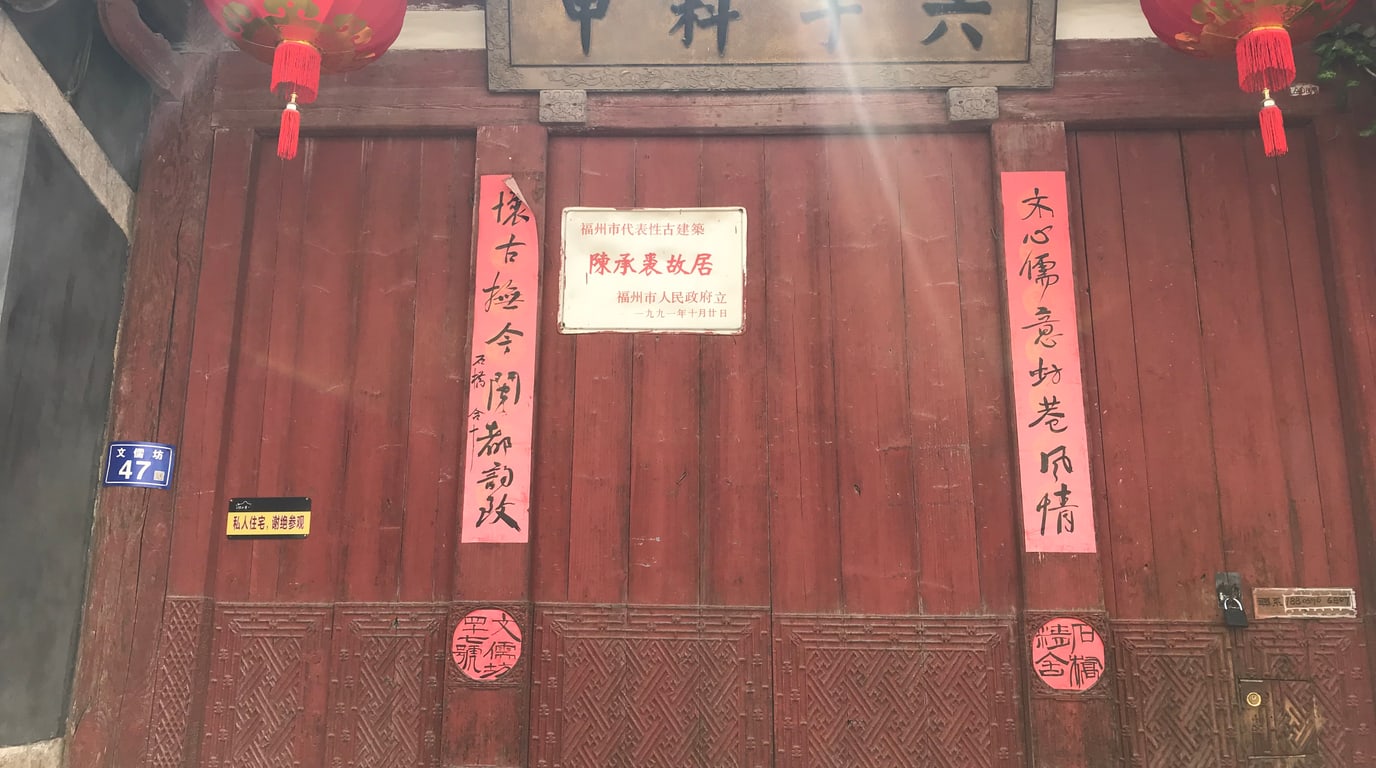
Red wooden gate at a protected former residence in Three Lanes and Seven Alleys, Fuzhou
Cover source: Historic residence gate in Three Lanes and Seven Alleys

Destination digest

Fuzhou, beyond the checklist

Fuzhou rewards a traveler who reads systems rather than icons: a surviving lane pattern beside the modern center, Min culture inside a provincial collection, a pilgrimage mountain at the metro edge, and the Mawei shipyard story downriver. The city works when those layers receive separate time, names, and recovery plans—not when they are flattened into an old-street montage before a train to Pingtan.

Useful minimum
Three full days: old-center lanes and Lin Zexu; provincial museum; then Drum Mountain or Mawei
Best first base
Dongjiekou or Nanmendou for Lines 1 and 2 plus a walkable old-center first day
Rail rule
福州站 and 福州南站 are different hubs; copy the Chinese station on the 12306 ticket
Airport rule
Binhai Express serves Changle Airport, but ordinary, limited-stop, and direct trains have different patterns
Old-city rule
Public lanes, individual residences, performance spaces, and combined tickets remain separate products
Recovery rule
Monday, heat, typhoon notices, mountain transport, and Mawei distance can each move a whole day

Read a river-estuary capital before calling it a stopover

Fuzhou grew in a basin on the lower Min River, between inland Fujian and the coast. The old-center lane system, West Lake institutions, east-side Drum Mountain, southern riverfront districts, and downriver Mawei are not one compact attraction zone. Banyans, hot springs, lacquer, jasmine tea, maritime exchange, overseas communities, and the modern shipbuilding movement belong to the same city story, but they do not share one map pin. Use three days to move from political and residential history to provincial context, then choose either mountain or maritime industry.

Arrival: 福州站 and 福州南站 are different contracts

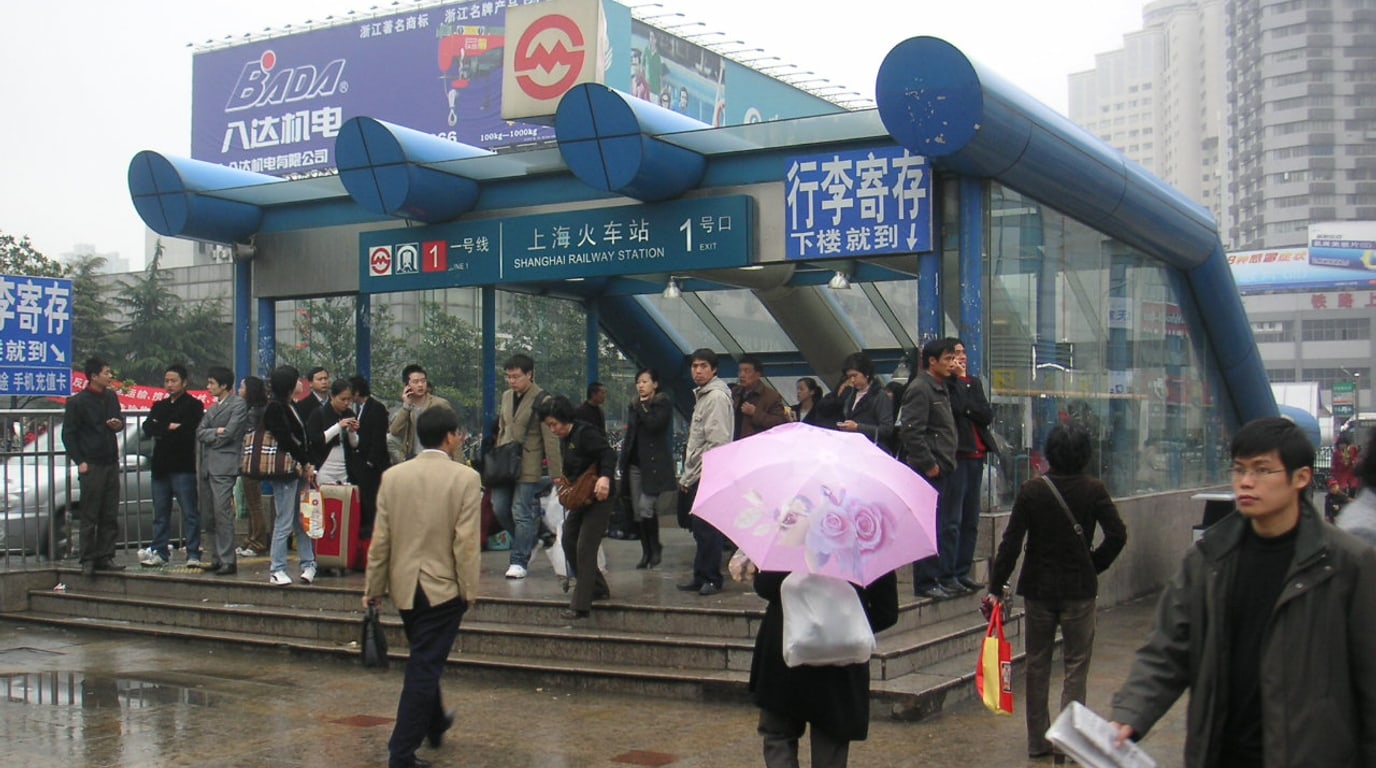
福州站 in Jin’an is the more central arrival for the old city and connects Metro Line 1 with the Binhai Express. 福州南站 in Cangshan is a second major rail hub on Lines 1 and 5 and often appears on coastal high-speed tickets. Copy the Chinese station printed by 12306; “Fuzhou railway station” is not enough for a pickup. From Changle Airport, the Binhai Express reaches the main railway-station corridor, but ordinary, limited-stop, and scarce direct trains have different stopping patterns. During the south-plaza works, February 2026 official guidance sent rail passengers from the metro through Exit F; verify the live signs instead of preserving that exit as a permanent rule.

Base in the old center unless the first departure decides otherwise

Dongjiekou or Nanmendou is the practical first base: Metro Lines 1 and 2 cross the old-center corridor, Three Lanes and Seven Alleys is walkable, and the provincial museum remains a short transfer away. The Yantai Mountain or Shangxiahang side of the river suits a traveler prioritizing port-era streets and evening walks, but it changes every morning transfer. The Fuzhou Station area works for an early train or airport express, not automatically for the best evenings. Choose the base around the first booked morning and the latest realistic return, not a vague “downtown” label.

Day one: treat Three Lanes and Seven Alleys as a street system

Begin at 三坊七巷游客中心 on South Back Street, then read the three western lanes and seven eastern alleys as the surviving structure of a residential quarter rather than a pedestrian shopping street. The official district describes a central north–south axis with ten side lanes and dozens of protected buildings. Public streets, the visitor center, an individual residence, a performance space, and a combined ticket remain separate products. Pick one or two interiors whose current opening and value fit the day; do not buy every listed house simply because a bundle exists.

Let one life connect the district to modern history

Walk south to 福州市林则徐纪念馆 at 澳门路16号. Its residence-and-shrine setting turns Lin Zexu from a textbook name into a Fuzhou story about local education, administration, reform, and the global opium trade. Keep the memorial separate from the recently reopened 林则徐故居 at 文北路31号: they are two protected sites with different exhibitions and entrances. If the memorial is closed, use Wushan and the public lane network as recovery; adjacency never grants entry and an old social post never proves today’s hours.

Day two: let the province explain the capital

At 福建博物院, build a selective route through ancient Fujian, maritime exchange, export ceramics, regional opera, painting, lacquer, and natural history. The provincial museum beside West Lake is not 福州市博物馆 in Jin’an and is not 中国闽台缘博物馆 in Quanzhou. The current schedule extends later on weekends and public holidays but normally closes Monday. Pair the collection with one bounded West Lake walk or a nearby pause. The lake, museum, and art museum on the campus remain distinct places with different reasons to visit.

Day three A: make Drum Mountain a route, not a summit photo

Metro Line 2 reaches 鼓山站 near the city-side Lower Courtyard entrance. Start at 鼓山旅游景区游客中心(下院), then choose a single ascent contract: the historic stair path, a current cableway product, or an operating scenic shuttle. 涌泉寺, cliff inscriptions, Eighteen Views, the cableway stations, and the separate 鼓岭 resort are not interchangeable. Confirm hours, ticket, last descent, weather, and knee-friendly return before climbing. The mountain scenic area and temple also have separate pricing and worship expectations.

Day three B: give Mawei’s shipyard story its own half-day

If maritime and industrial history matters more than a climb, travel downriver to 中国船政文化博物馆 in the Shipbuilding Culture City. The new museum inside the former shipyard complex explains ship construction, engineering education, translation, naval training, and the modern institutions built at Mawei. It is the narrative start, not the entire outing: preserved workshops, school buildings, the Mawei naval-battle memorial, and Luoxing Pagoda occupy separate sites. Begin with the museum, choose only the extension you can reach before closing, and allow a long return to the old center.

Eat dishes as leads; save branches as places

Fish balls, rouyan meat-skin dumplings, lychee pork, Fotiaoqiang, peanut soup, and jasmine tea can make a useful Fuzhou eating list, but none is a map identity. A short-form clip becomes saveable only when the storefront, Chinese name, branch, city, and evidence agree. Treat old brands with multiple branches as separate providers, and never resolve a dish mention to the nearest popular search result. When exact identity is missing, keep the food idea in the guide and ask the contributor for a sign, address, receipt, or location tag.

Build recovery around heat, typhoons, Mondays, and distance

Summer in Fuzhou is hot, humid, and exposed routes become harder than their map distance suggests. Typhoons and heavy rain can close Drum Mountain and stop its tourist buses; official notices from July 10–12, 2026 show both the suspension and the later restoration, while mountain safety still required caution after the warning ended. Put outdoor lanes or mountain time early, keep the museum on a non-Monday, and retain an indoor old-center block. Pingtan is a separate rail-and-weather decision that deserves an extra day and its own edition, not a Fuzhou afternoon pin.
Places worth building around

The anchors in this digest

Each place keeps the reason it belongs in the day. Full digests also preserve the local name, exact branch or entrance, and a checked execution query.

North-side rail and airport-express arrival in Jin’an District

Fuzhou Railway Station

福州站

01

福州站 is the more central of the city’s two major rail arrivals and now connects Metro Line 1 with the Binhai Express to Changle Airport. It is not 福州南站 in Cangshan, the metro station alone, or a generic “Fuzhou high-speed rail station.” The Chinese suffix on the 12306 ticket determines the first transfer and pickup side.

Save the exact train station and entrance shown on the ticket before booking a pickup. During the south-plaza works, February 2026 official guidance sent railway passengers out through Fuzhou Railway Station metro Exit F; verify that route again on arrival. Binhai Express services mix ordinary, limited-stop, and a very small number of direct trains, so read the platform display instead of assuming every airport train takes 30 minutes.

福州市晋安区华林路502号,福州站

Named planning anchor on South Back Street in the historic lane district

Sanfang Qixiang Visitor Center

三坊七巷游客中心

02

The visitor center is a stable anchor inside a 39.8-hectare district whose three lanes, seven alleys, central South Back Street, protected residences, museums, and businesses are not one attraction. Starting here keeps the historic urban pattern legible and prevents a generic 三坊七巷 pin from silently standing in for every paid house and exhibition.

The official district site publishes visitor-center service from 08:30 to 22:00 and lists separate admission for specific residences and performance spaces. Walk the public lanes first, then choose at most one or two interiors whose current ticket and opening notice are clear. A combined ticket, an individual residence, a shop, and the street network remain different products.

福州市鼓楼区南后街139号,三坊七巷游客中心

Historic residence-and-shrine complex south of Three Lanes and Seven Alleys

Lin Zexu Memorial Hall

福州市林则徐纪念馆

03

福州市林则徐纪念馆 grounds the old-center walk in one consequential Fuzhou life and in the connected protected “residence and shrine” heritage. It is not the separately reopened 林则徐故居 at 文北路31号, an unrelated Lin-family residence, or a general patriotic-education search result. The memorial and former residence should remain separate map identities.

Carry a passport and verify the museum’s newest official opening notice before building the morning around its interiors. Continue between the memorial and the lane district on foot, but do not merge their admission rules. If the memorial is closed or busy, keep the public lanes, Wushan edge, and city-center walk as the recovery rather than buying unofficial access.

福州市鼓楼区澳门路16号,福州市林则徐纪念馆

Provincial collection beside West Lake in Gulou District

Fujian Museum

福建博物院

04

福建博物院 gives the trip a provincial frame: Min cultures, maritime exchange, export ceramics, opera, painting, and natural history explain why Fuzhou is a capital facing inland mountains and the sea. It is not 福州市博物馆 in Jin’an, 福建省美术馆 on the same campus, or 中国闽台缘博物馆 in Quanzhou.

Current provincial guidance lists Tuesday–Friday 09:00–18:00 and weekends or public holidays 09:00–20:00, with last entry 30 minutes earlier and ordinary Monday closure. Check the current exhibition and reservation notice, then pair the museum with one bounded West Lake walk; do not schedule another cross-city institution simply because both are free.

福州市鼓楼区湖头街96号,福建博物院

City-side gateway to Drum Mountain from Metro Line 2

Drum Mountain Visitor Center at Lower Courtyard

鼓山旅游景区游客中心(下院)

05

下院 is the operational city-side gateway for Drum Mountain: Metro Line 2 reaches 鼓山站, and the visitor-center side connects to the historic stair route, scenic transport, and higher sites. It is not a coordinate on the summit, the separate 鼓岭 resort, Yongquan Temple itself, or a cableway boarding point guessed from a video.

Choose the old path, cableway, or current scenic shuttle only after checking live operation and the return. The mountain scenic area and 涌泉寺 have separate ticket rules, and the temple remains a place of worship. Heat, thunderstorms, typhoons, trail inspection, or transport suspension can close the whole route; keep an indoor museum day ready instead of climbing past a closure.

福州市晋安区鼓山路,鼓山旅游景区下院入口

Mawei shipyard heritage complex on the lower Min River

China Shipbuilding Culture Museum

中国船政文化博物馆

06

中国船政文化博物馆 is the narrative start for Mawei’s shipbuilding, engineering, naval education, translation, and industrial heritage. It is not 福州马江海战纪念馆 on Maxian Hill, Luoxing Pagoda Park, the whole 116-hectare Shipbuilding Culture Scenic Area, or the former museum address at 昭忠路7号.

The official site currently lists 09:00–17:00 with last entry at 16:30. Give Mawei a separate half-day: the museum, preserved workshops, school buildings, battle memorial, and Luoxing Pagoda have different locations and hours. Start with the museum, save only the additional sites you will actually reach, and allow for a materially longer return to the old center.

福州市马尾区港口路83号船政文化城,中国船政文化博物馆

Planning sources checked 2026-07-13: Fuzhou government: Three Lanes and Seven Alleys street pattern and protected residences · Sanfang Qixiang operator: visitor-center address, service hours, current ticket structure, and protected-building identities · Fuzhou development and reform commission: current free and individually ticketed Sanfang Qixiang sites · Fuzhou government: Lin Zexu former residence reopened at Wenbei Road 31 · Sanfang Qixiang operator: Lin Zexu Memorial Hall identity and Macau Road 16 address · Fujian culture and tourism department: Fujian Museum current weekday, weekend, and Monday schedule · Fujian culture and tourism department: Fujian Museum Hutou Street 96 address · Fuzhou government: Binhai Express opening, stopping patterns, hours, and airport journey · Fuzhou government: current Fuzhou Railway Station Exit F and airport-terminal handoff · Fuzhou government: Fuzhou South Railway Station West 3 entrance and Metro Line 1 walk · Drum Mountain management: Metro Line 2 reaches the Lower Courtyard main entrance · Fuzhou development and reform commission: current Drum Mountain and Yongquan Temple ticket rules · China Shipbuilding Culture: current museum identity, hours, and Mawei complex · Fuzhou government: new Shipbuilding Culture Museum inside the former shipyard complex · Fuzhou transport authority: July 10, 2026 typhoon closure and tourist-bus suspension · Fuzhou transport authority: July 12, 2026 Drum Mountain tourist-bus restoration · Fuzhou health authority: July heat, humidity, and midday exposure guidance

Guide matches

Start with these guides

These are the current China Travel Made Easy guides most relevant to planning Fuzhou. Start here for the logistics that affect cost, comfort, and avoidable mistakes before the route gets specific.

Destination QA

Answers for planning Fuzhou

What is Fuzhou best for on a China trip?

+

Fuzhou is best for a banyan-shaded Min River capital where old lanes, provincial collections, mountain paths, and shipyard history need different days and exact entrances. Fuzhou becomes more than a stop between Xiamen and Pingtan when the old city, provincial museum, Drum Mountain, Mawei shipyard heritage, two rail hubs, and airport express remain connected but operationally distinct.

Where should travelers start in Fuzhou?

+

Start with Fuzhou Railway Station in North-side rail and airport-express arrival in Jin’an District, Sanfang Qixiang Visitor Center in Named planning anchor on South Back Street in the historic lane district, Lin Zexu Memorial Hall in Historic residence-and-shrine complex south of Three Lanes and Seven Alleys, Fujian Museum in Provincial collection beside West Lake in Gulou District, Drum Mountain Visitor Center at Lower Courtyard in City-side gateway to Drum Mountain from Metro Line 2, China Shipbuilding Culture Museum in Mawei shipyard heritage complex on the lower Min River. These are useful first pins before adding nearby food, transit, and stay ideas.

Which guides should I read before visiting Fuzhou?

+

Start with China's High-Speed Trains: Booking on 12306 or Trip.com as a Foreigner, China Attraction Tickets: Passport Booking, Release Windows & Sold-Out Recovery, China Neighborhood Walks: Public Routes, Residential Boundaries & Reliable Exits. These guides cover the practical setup and decisions most relevant to this destination.

Can I save Fuzhou recommendations from posts or screenshots?

+

Yes. Use Save Places to paste the caption, OCR text, note, or place list, then review the bilingual identities before creating AMap or Apple Maps handoffs. A bare social URL is not fetched by the static prototype.