China Travel Made Easy
All destinations

City

Guangzhou

Cantonese foodways, port history, Xiguan, and the Pearl River

Guangzhou is best read as a trading city whose old neighborhoods, museums, food rituals, and modern riverfront explain one another—not as a Canton Tower photo stop or a list of dim sum chains.

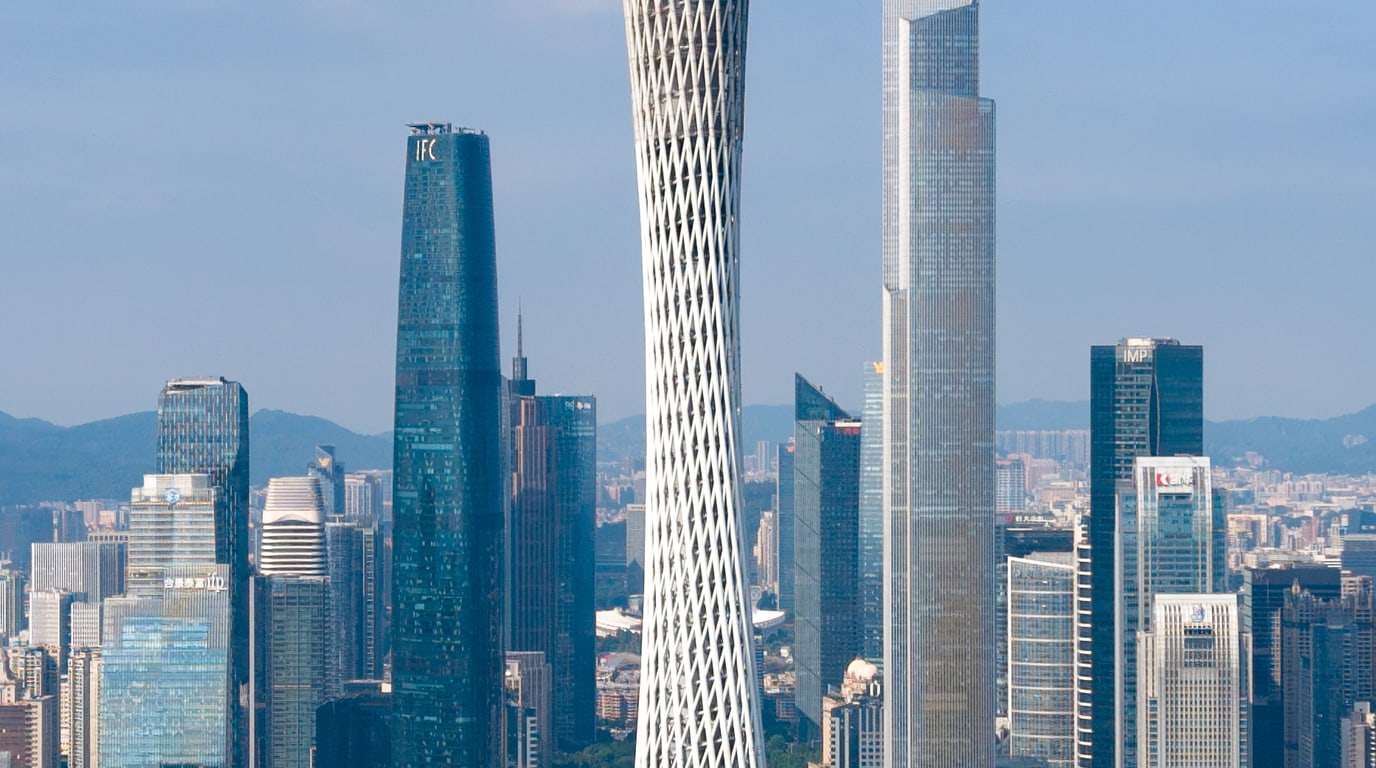
Canton Tower across the Pearl River in Guangzhou
Cover source: Guangzhou across the Pearl River

Destination digest

Guangzhou, beyond the checklist

Guangzhou makes sense when you follow the city’s exchanges: river trade, overseas communities, clan networks, Cantonese opera, morning tea, and a modern business district built on the opposite bank. Keep Xiguan, the old political center, and Zhujiang New Town as three distinct city readings instead of commuting between isolated landmarks.

Useful minimum
Three full days: Xiguan and Shamian, two Nanyue archaeology campuses, then the modern riverfront
Best first base
Liwan or Yuexiu for old-city walks; Zhujiang New Town for the museum, riverfront, and business trips
Food-map rule
A dish or chain name is a lead; save the current Chinese branch, serving period, and queue method
Museum identity
南越王博物院(王墓展区) and 南越王博物院(王宫展区) are separate places and reservations
Closure recovery
Chen Clan Academy closes Tuesday; most major museums close Monday; preserve one outdoor neighborhood route
Arrival rule
Save the exact rail station or CAN terminal; T3 currently needs a shuttle, intercity connection, or road transfer

Begin in Xiguan, where the city still works at walking speed

Start at the Chen Clan Academy for the wood, stone, ceramic, plaster, and iron craft that turn a clan hall into an argument about regional skill and patronage. Then move west to the Cantonese Opera Art Museum and walk a bounded section of Enning Road toward Yongqing Fang or Lychee Bay. The museum is the fixed cultural anchor; Enning Road is a living street, not one attraction pin, so cafes, noodle shops, and restored compounds should be saved separately only after their Chinese storefronts are confirmed.

Day one: Chen Clan Academy to Shamian without a heritage checklist

Give the morning to the Chen Clan Academy, then continue to Enning Road and the Cantonese Opera Art Museum. From there, take transit or a deliberate longer walk toward Shamian Island. Enter at the east bridge so the route has a real beginning, then cross the compact island once while reading its former concession buildings alongside the river and nearby trading districts. Weekend and holiday crowding is a known constraint; if the island is saturated, stay with the Xiguan walk and use Lychee Bay as the recovery route rather than forcing a photo circuit.

Day two: keep the two Nanyue King Museum campuses separate

The King’s Tomb Exhibition Area on Jiefang North Road and the Palace Exhibition Area on Zhongshan Fourth Road are different archaeological sites with different addresses and ticket rules. Begin at the Tomb branch for the royal burial and excavated collection, but note that the original tomb chamber has been closed for preventive conservation since October 2025 while the other galleries remain open. Use the free Palace branch later for the excavated palace, garden, waterworks, and the old-city layer near Beijing Road. Never let a search for “Nanyue King Museum” choose the campus for you.

Day three: use the modern riverfront to read the city’s change of scale

Reserve the Guangdong Museum, enter through the current individual-visitor gate, and give its regional history, art, natural history, and temporary exhibitions enough time to carry the day. Walk Huacheng Square afterward and look across the Pearl River toward Canton Tower before deciding whether the paid tower experience adds anything. The skyline is the conclusion to a trade-city story, not proof that the old neighborhoods are past tense. In heat or thunderstorms, protect the museum slot and shorten the exposed square rather than abandoning the whole day.

Treat morning tea as a format, not a famous-chain recommendation

A useful dim sum note names the Chinese restaurant, branch, floor or hotel, serving period, queue method, tea charge, and whether a small party can order sensibly. “Tao Tao Ju,” “Guangzhou Restaurant,” or “best dim sum in Guangzhou” is not yet a resolved place because long-lived brands have many branches with different menus and operating patterns. The same rule applies to roast goose, claypot rice, wonton noodles, and dessert shops. Save the exact storefront; keep a dish-only Reel as an eating lead until the branch is grounded.

Stay for the city you want, not the station printed on the ticket

Liwan or Yuexiu is the stronger first base for Xiguan, old-city walks, and food, while Zhujiang New Town suits travelers prioritizing the museum, modern riverfront, or business appointments. Guangzhou South Railway Station is a major Panyu hub, not a useful default neighborhood; Guangzhou, Guangzhou East, Guangzhou Baiyun, and Guangzhou South are separate stations whose services are changing. Save the exact station in Chinese and build the hotel transfer from that identity, not from the word “Guangzhou.”

Resolve the airport terminal before the arrival ride

Baiyun Airport now has three terminals. As of the July 2026 check, international and regional flights use Terminal 3, Spring Airlines also uses T3, and several domestic operations remain split across T1 and T2. T3 does not have a direct metro stop: the official route uses the free shuttle from Gaozeng, an intercity connection from Airport North at T2, or a correctly addressed road transfer. Confirm the live airline terminal, carry the hotel’s Chinese name and address, and preserve enough time for a free inter-terminal shuttle if the arrival information changes.

Places worth building around

The anchors in this digest

Each place keeps the reason it belongs in the day. Full digests also preserve the local name, exact branch or entrance, and a checked execution query.

Liwan Xiguan craft and clan-history anchor

Guangdong Folk Arts Museum at Chen Clan Academy

广东民间工艺博物馆(陈家祠)

01

The former Chen clan academy is now the Guangdong Folk Arts Museum, and that combined identity explains both the building and the collection. It is the strongest fixed beginning for a Xiguan day because the carving, ceramic ridge figures, plasterwork, ironwork, and courtyard sequence give substance to “Lingnan architecture” before the surrounding neighborhood walk.

Current city guidance lists entry from 09:00 to 17:00 with Tuesday closure, except public holidays. Recheck the official notice, then continue west by metro or on foot; do not let a generic “Chen Clan” search substitute a similarly named ancestral hall elsewhere in Guangdong.

广州市荔湾区中山七路恩龙里34号

Enning Road cultural anchor and bounded Xiguan walk

Cantonese Opera Art Museum

粤剧艺术博物馆

02

This is the stable venue inside the wider Enning Road and Yongqing Fang story: a Lingnan-garden museum with galleries, performance spaces, a waterside stage, and interpretation of Cantonese opera in Guangzhou and overseas communities. It turns an attractive arcade-street walk into a cultural route rather than a sequence of renovated storefronts.

Current Liwan guidance lists 09:00–21:00 entry with last admission at 20:30 and Monday closure, but performance times are separate and can change. Save restaurants, studios, and restored residences along Enning Road as individual Chinese identities instead of attaching them to this museum pin.

广州市荔湾区恩宁路127号

Liwan river-island walking route start

Shamian Island at the East Bridge

沙面岛(东桥入口)

03

Shamian is a compact historical island rather than one building, so the useful map identity is an entrance that fixes the walking direction. Starting at the east bridge lets travelers cross the former concession landscape once, distinguish the north and south river edges, and exit deliberately instead of dropping into an arbitrary center coordinate.

The public streets are free, but weekends and holidays can make the small island disproportionately crowded. If it is saturated, shorten the circuit or keep the day in Xiguan; verify any church, hotel, cafe, or exhibition separately because an island-level video cannot establish its current access.

广州市荔湾区沙面东桥西侧,沙面岛东端

Yuexiu royal-burial and collection branch

Nanyue King Museum — King’s Tomb Exhibition Area

南越王博物院(王墓展区)

04

This is the paid Tomb branch near Yuexiu Park, not the free Palace branch near Beijing Road. It holds the excavated royal-burial collection and normally interprets the original tomb site, making the branch name and Jiefang North Road address essential whenever a guide recommends “the Nanyue museum.”

Current official guidance lists Tuesday–Sunday 09:00–17:30, last entry 17:00, with full admission at ¥10. The original tomb chamber has been closed for preventive conservation since 9 October 2025 while other galleries remain open, so check the newest notice before treating the chamber as promised access.

广州市越秀区解放北路867号

Yuexiu palace-site and old-city branch

Nanyue King Museum — Palace Exhibition Area

南越王博物院(王宫展区)

05

This is the free Palace branch built around the palace, garden, waterworks, and later urban archaeological layers. Its east entrance on Zhongshan Fourth Road and exit near Beijing Road create a different visit from the royal tomb collection, and the two branches should never collapse into a single museum marker or ticket claim.

Reserve the Palace branch separately through the official account. Overseas, Hong Kong, Macau, and Taiwan visitors use the reservation QR code at entry; mainland visitors use the booked ID. The current schedule is Tuesday–Sunday 09:00–17:30 with last entry at 17:00 and Monday closure outside holiday changes.

广州市越秀区中山四路316号,东门近城隍庙

Zhujiang New Town regional-history and modern-riverfront anchor

Guangdong Museum

广东省博物馆

06

The provincial museum gives the modern riverfront a reason beyond skyline photography: its collections connect Guangdong’s natural history, art, trade, material culture, and temporary exhibitions to the older city days. Use it as the indoor anchor, then cross Huacheng Square and look toward Canton Tower as a public-space walk.

The current official system requires a timed real-name reservation for every visitor, including children, and lists Tuesday–Sunday 09:00–17:00 with last entry at 16:00. The general public channel and foreign-passport route can differ, so verify the current museum notice and carry the booked passport or order.

广州市天河区珠江新城珠江东路2号
Guide matches

Start with these guides

These are the current China Travel Made Easy guides most relevant to planning Guangzhou. Start here for the logistics that affect cost, comfort, and avoidable mistakes before the route gets specific.

Destination QA

Answers for planning Guangzhou

What is Guangzhou best for on a China trip?

+

Guangzhou is best for cantonese foodways, port history, Xiguan, and the Pearl River. Guangzhou is best read as a trading city whose old neighborhoods, museums, food rituals, and modern riverfront explain one another—not as a Canton Tower photo stop or a list of dim sum chains.

Where should travelers start in Guangzhou?

+

Start with Guangdong Folk Arts Museum at Chen Clan Academy in Liwan Xiguan craft and clan-history anchor, Cantonese Opera Art Museum in Enning Road cultural anchor and bounded Xiguan walk, Shamian Island at the East Bridge in Liwan river-island walking route start, Nanyue King Museum — King’s Tomb Exhibition Area in Yuexiu royal-burial and collection branch, Nanyue King Museum — Palace Exhibition Area in Yuexiu palace-site and old-city branch, Guangdong Museum in Zhujiang New Town regional-history and modern-riverfront anchor. These are useful first pins before adding nearby food, transit, and stay ideas.

Which guides should I read before visiting Guangzhou?

+

Start with China Street Food & Night Markets: City Routes, Stall Evidence & Safer Ordering, Ordering Food in China: QR Menus, Dietary Cards & Delivery Recovery, China's High-Speed Trains: Booking on 12306 or Trip.com as a Foreigner. These guides cover the practical setup and decisions most relevant to this destination.

Can I save Guangzhou recommendations from posts or screenshots?

+

Yes. Use Save Places to paste the caption, OCR text, note, or place list, then review the bilingual identities before creating AMap or Apple Maps handoffs. A bare social URL is not fetched by the static prototype.