China Travel Made Easy
All destinations

City

Hangzhou

A designed lake, working tea hills, and three layers of water-built history

Hangzhou becomes more than a pretty Shanghai add-on when West Lake is read as designed public infrastructure, tea as a living production landscape, and the Southern Song capital, Grand Canal, and Liangzhu as different histories rather than one heritage label.

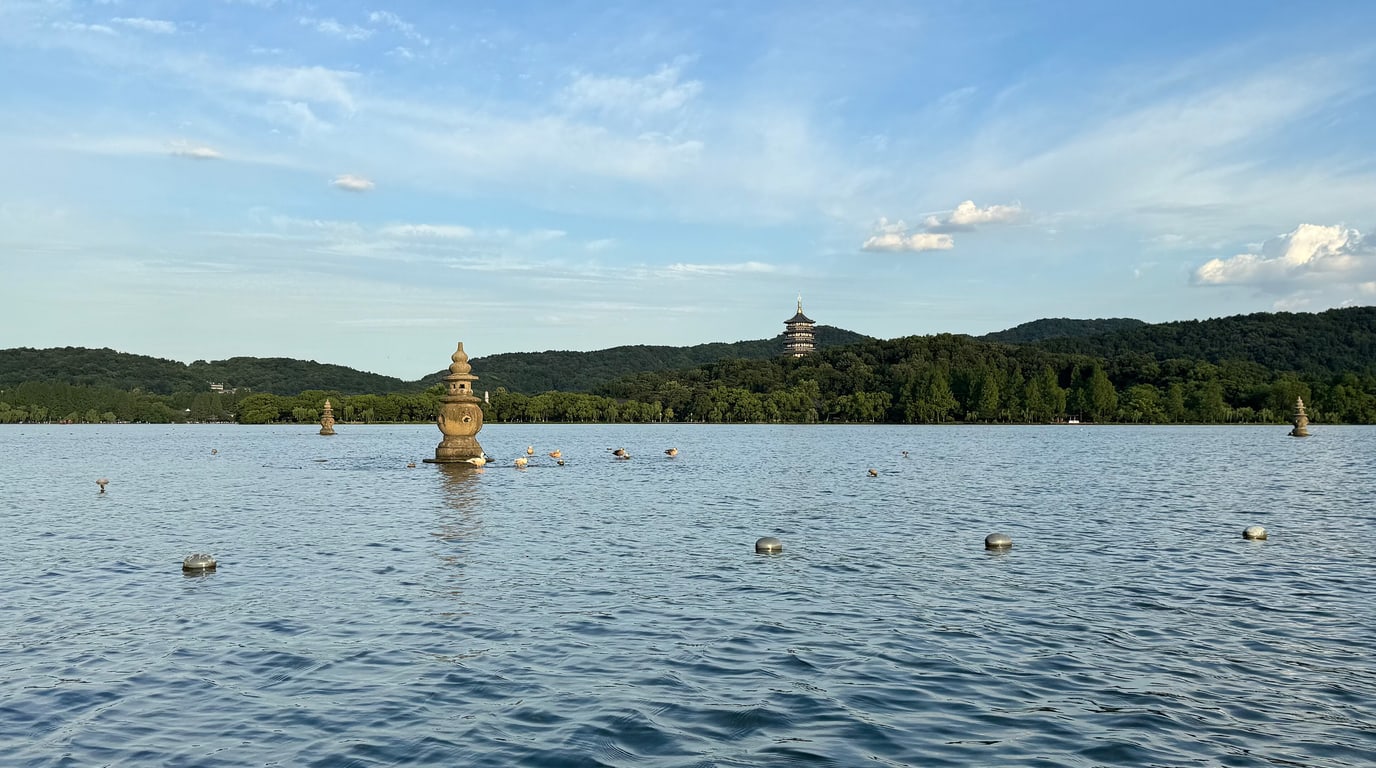
Causeways and wooded hills around West Lake in Hangzhou
Cover source: West Lake, Hangzhou

Destination digest

Hangzhou, beyond the checklist

Hangzhou is not one lake pin. Its best trips follow how people reshaped water and land: poet-officials dredged causeways, tea growers worked the western hills, a Southern Song capital grew against the lake, and the Grand Canal ended in a trading city. Choose one coherent line each day instead of circling every famous name.

Useful minimum
Three full days; add a fourth for Liangzhu or for both the Southern Song and Grand Canal routes
Best first base
The east lake edge near 凤起路, 龙翔桥, or 吴山广场 for metro access and early walks
Lake rule
Save a route start, route end, and chosen pier—not one generic West Lake pin or an automatic full circuit
Lingyin rule
Free does not mean walk-in: reserve 杭州灵隐飞来峰 at least one day ahead or use the online waitlist
Tea rule
中国茶叶博物馆 has separate 双峰 and 龙井 campuses; this guide chooses Shuangfeng for West Lake Longjing context
Station rule
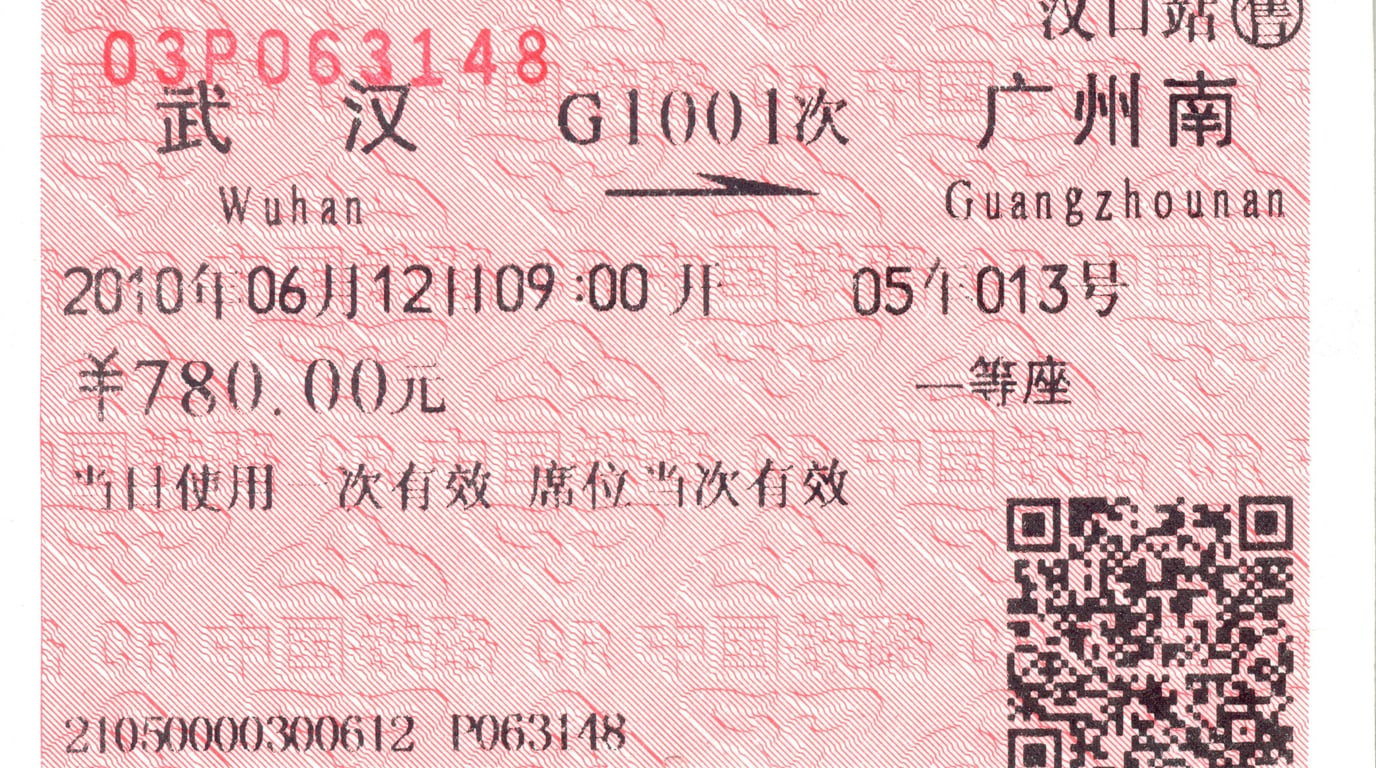
杭州东站, 杭州西站, 杭州站, and 杭州南站 are different arrival products—copy the exact Chinese name from the ticket

Read West Lake as a made landscape, not a natural photo backdrop

The lake’s causeways, islands, bridges, planted views, temples, and tea hills were shaped over centuries to turn water management into a cultural landscape. That is the useful key to Hangzhou: Bai Causeway and Su Causeway are both beautiful and engineered, and the view changes because each bridge and planted edge frames it. Begin at Broken Bridge on the east end of Bai Causeway, cross toward Solitary Hill, and stop often enough to notice the sequence. A complete lap is not the achievement; understanding one shore is.

Day one: choose the north-lake line before the crowd chooses it for you

Start at Broken Bridge early, follow Bai Causeway to Solitary Hill, then decide whether the day needs a museum, a boat, or more walking. Do not attach every lake name to one route: Three Pools Mirroring the Moon is an island-and-boat product, Leifeng Pagoda is on the south shore, and Su Causeway is another long crossing. On a hot, wet, or holiday-crowded afternoon, use the current lake-loop bus or leave for a shaded museum rather than forcing the whole perimeter. Save an exact pier only after choosing the current operator and route.

Day two: reserve Lingyin first, then let tea become more than a sales stop

Book the Lingyin–Feilai Peak complex before fixing the day. Since December 2025 the scenic area, Lingyin Temple, Yongfu Temple, and Taoguang Temple are free, but entry is still real-name and timed; since February 2026 the old walk-up queue has been replaced by an online waitlist. Enter for the cliff carvings and religious landscape, not just an incense photograph. Afterward, use the China National Tea Museum’s Shuangfeng branch for the local Longjing story. It is one museum with two campuses: Shuangfeng on Longjing Road interprets Chinese tea and West Lake Longjing, while the hillier Longjing branch at Wengjiashan is a separate destination.

Day three: choose one historical city, not two rushed museum checklists

For the Southern Song city, reserve the Deshou Palace Site Museum, begin with the exposed archaeological remains, and treat the reconstructed halls as interpretation rather than surviving palace fabric. Continue through the older street network only as far as energy and commercial crowds allow. For the canal city, use the China Beijing–Hangzhou Grand Canal Museum beside Gongchen Bridge, then cross the bridge and walk the public river edge and Qiaoxi lanes. The Hangzhou museum is not the similarly named China Grand Canal Museum in Yangzhou.

A fourth day earns Liangzhu; it does not fit in a spare afternoon

Liangzhu Museum is a substantial northwest-Hangzhou trip and the best first explanation of the jade, water management, settlement, and social order behind the archaeological city. The museum and Archaeological Ruins of Liangzhu City Park are different reservations about five kilometers apart; the park also needs several hours and its own transport inside. Choose the museum alone for a focused half-day, or give the museum and ruins park a dedicated day. Do not book “Liangzhu village” and assume that covers either entrance.

Buy tea only after separating origin, grade, producer, and hospitality

A view of tea bushes does not authenticate a packet, and a hosted tasting is not automatically free. Ask whether the quoted charge is for a seat, room, brewing service, tea by weight, food, or a minimum purchase before water is poured. For leaves, record the producer, cultivar, harvest date and picking standard, origin area, net weight, grade, sealed packaging, and return terms. Use the museum to learn what changes between tea types; use a named producer and receipt to decide what to buy.

Stay east of the lake, and preserve the station name on every ticket

For a first visit, the east edge between Fengqi Road, Longxiangqiao, and Wushan Square gives the cleanest balance of metro access, early lake walks, and evening food. A tea-hill or Lingyin stay trades transport simplicity for atmosphere. Hangzhou East is the dominant high-speed hub for many Shanghai services, Hangzhou West is a separate western hub, Hangzhou Railway Station is the central city station, and Hangzhou South is across the river in Xiaoshan. The airport has Metro Lines 1, 7, and 19; Line 19 is the useful fast cross-city link through East and West hubs. Match the Chinese station on the ticket before choosing the hotel transfer.

Places worth building around

The anchors in this digest

Each place keeps the reason it belongs in the day. Full digests also preserve the local name, exact branch or entrance, and a checked execution query.

North West Lake route start

Broken Bridge and Bai Causeway start

断桥残雪(白堤东端)

01

Broken Bridge is the eastern threshold of Bai Causeway and a useful fixed start for reading West Lake as a sequence of engineered views rather than a generic lake pin. Walking west from here keeps the city behind you, opens the north and outer lake on either side, and leads naturally toward Solitary Hill without requiring a full circuit.

This is one of the lake’s busiest approaches during blossoms, weekends, and public holidays. Arrive early, keep Bai Causeway as the core walk, and decide at Solitary Hill whether weather and crowding justify a boat, museum, or bus; do not prepay an informal boat offer without the operator, route, island stop, and return pier.

杭州市西湖区北山街,白堤东端

West Lake hills timed-entry complex

Lingyin–Feilai Peak Scenic Area main entrance

灵隐飞来峰景区入口

02

This entrance controls the shared religious and heritage landscape containing the Feilai Peak carvings, Lingyin Temple, Yongfu Temple, and Taoguang Temple. Preserving the scenic-area identity prevents a traveler from saving only a temple label and missing the real-name timed reservation that now governs the whole complex.

The complex has been free since 1 December 2025 but is not walk-in: reserve a morning or afternoon slot at least one day ahead in the 杭州灵隐飞来峰 mini-program. Since 1 February 2026 there is no offline standby queue; use the online waitlist by the prior-day deadline, carry the booked identity document, and cancel in time to avoid a no-show suspension.

杭州市西湖区灵隐路法云弄1号

West Lake Longjing interpretation and tea-garden branch

China National Tea Museum — Shuangfeng Branch

中国茶叶博物馆(双峰馆区)

03

Shuangfeng is the museum branch that pairs a Chinese tea-culture exhibition with a dedicated West Lake Longjing exhibition in a garden among tea fields. Naming the branch matters because the same institution also operates the hillier Longjing campus at Wengjiashan 268, with different exhibitions, terrain, and transport.

The museum’s current guide lists 09:00–16:30 and an unusual Tuesday closure, with public holidays excepted. Use the exhibitions before any tasting or purchase, then require a producer, cultivar, harvest date, picking standard, grade, net weight, sealed package, quoted service charges, and receipt instead of treating a view of tea bushes as proof of origin.

杭州市西湖区龙井路88号

Southern Song archaeology and reconstructed palace interpretation

Southern Song Deshou Palace Site Museum

南宋德寿宫遗址博物馆

04

Deshou Palace is the most legible first stop for Southern Song Lin’an because it puts exposed palace remains, excavation history, historical interpretation, and reconstructed halls in one place. The archaeological fabric and the modern reconstruction are both useful, but they are not the same kind of evidence and the visit should keep that distinction visible.

The standing process releases free timed reservations through the official 南宋德寿宫遗址博物馆 WeChat account up to three days including the visit day, from 09:00. Recheck the current calendar and accepted document flow; if a foreign passport cannot complete the mini-program, contact the official venue before building the day around a promised slot.

杭州市上城区望江路228号

Gongchen Bridge canal-history anchor

China Beijing–Hangzhou Grand Canal Museum

中国京杭大运河博物馆

05

This museum explains the canal’s engineering, grain transport, trade, vessels, and effect on Hangzhou beside the water it interprets. Its exact bilingual identity prevents substitution with the much larger China Grand Canal Museum in Yangzhou or with unrelated canal exhibition halls, while its east-bank position creates a natural museum-to-Gongchen-Bridge walk.

Check the museum’s current official notice for opening and reservation requirements before traveling north. After the galleries, cross Gongchen Bridge and continue only through public Qiaoxi lanes and river edges; workshops, residences, craft museums, and cruises have separate hours or tickets and should not be bundled into this one pin.

杭州市拱墅区运河文化广场1号,拱宸桥东侧

Northwest Hangzhou archaeological context

Liangzhu Museum

良渚博物院

06

Liangzhu Museum gives the clearest first reading of the jade, rice agriculture, water engineering, settlement, and political organization behind the World Heritage archaeological city. It is a museum in Meilizhou Park, not the Archaeological Ruins of Liangzhu City Park and not a generic pin for modern Liangzhu subdistrict.

The official visit guide lists free reserved admission Tuesday–Sunday, 09:00–17:00 with last entry at 16:00. The archaeological park is about five kilometers away, uses its own real-name reservation and ticket, and needs roughly three more hours plus internal transport, so give both sites a dedicated day or choose the museum alone.

杭州市余杭区美丽洲路1号
Guide matches

Start with these guides

These are the current China Travel Made Easy guides most relevant to planning Hangzhou. Start here for the logistics that affect cost, comfort, and avoidable mistakes before the route gets specific.

Destination QA

Answers for planning Hangzhou

What is Hangzhou best for on a China trip?

+

Hangzhou is best for a designed lake, working tea hills, and three layers of water-built history. Hangzhou becomes more than a pretty Shanghai add-on when West Lake is read as designed public infrastructure, tea as a living production landscape, and the Southern Song capital, Grand Canal, and Liangzhu as different histories rather than one heritage label.

Where should travelers start in Hangzhou?

+

Start with Broken Bridge and Bai Causeway start in North West Lake route start, Lingyin–Feilai Peak Scenic Area main entrance in West Lake hills timed-entry complex, China National Tea Museum — Shuangfeng Branch in West Lake Longjing interpretation and tea-garden branch, Southern Song Deshou Palace Site Museum in Southern Song archaeology and reconstructed palace interpretation, China Beijing–Hangzhou Grand Canal Museum in Gongchen Bridge canal-history anchor, Liangzhu Museum in Northwest Hangzhou archaeological context. These are useful first pins before adding nearby food, transit, and stay ideas.

Which guides should I read before visiting Hangzhou?

+

Start with Tea in China: Teahouse Sessions, Tea-Country Routes & Buying Without Guesswork, China's High-Speed Trains: Booking on 12306 or Trip.com as a Foreigner, China Attraction Tickets: Passport Booking, Release Windows & Sold-Out Recovery. These guides cover the practical setup and decisions most relevant to this destination.

Can I save Hangzhou recommendations from posts or screenshots?

+

Yes. Use Save Places to paste the caption, OCR text, note, or place list, then review the bilingual identities before creating AMap or Apple Maps handoffs. A bare social URL is not fetched by the static prototype.