Read a port system, not a World Heritage checklist
UNESCO’s serial property connects 22 components across a large municipality because no single monument explains the Song–Yuan emporium. Administrative sites regulated trade; kilns and ironworks supplied goods; bridges, docks, and pagodas moved and guided them; Buddhist, Islamic, Daoist, and popular-religion sites record the people who came, stayed, and worshipped. Begin with the compact old city and one interpretive museum. Treat distant kilns, docks, bridges, and county sites as separate route contracts rather than compressing the inscription into one “Quanzhou UNESCO” pin.
Arrival: the Chinese station name determines the city you meet
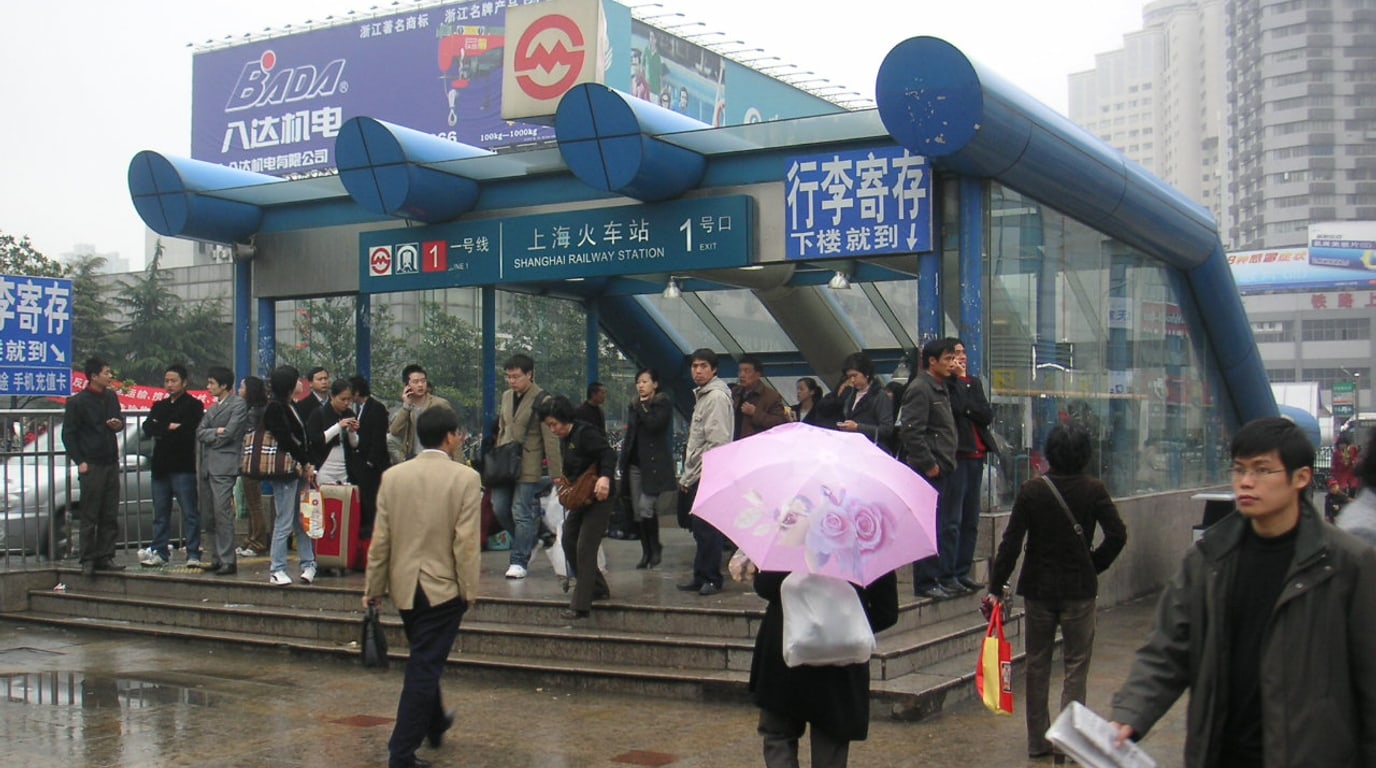
泉州站 is north of the old city on the earlier Fuzhou–Xiamen railway and remains the practical rail arrival for a central Quanzhou stay. The newer coastal high-speed line added 泉州南站 in Jinjiang, 泉州东站 in the Taiwanese Investment Zone, and 泉港站 farther north; none is an alternate exit from the same building. Read the station printed on 12306, save the Chinese hotel entrance, and choose bus, taxi, or ride-hail around that exact origin. 泉州站 has a transport hub, tourist-service facilities, and luggage storage, but no metro should be assumed.
Base beside the old city, then use “Little White” at its real scale
For a first two-night visit, stay around West Street, the Bell Tower, Zhongshan Road, or the Tumen Street corridor so that dawn, midday recovery, and evening walks do not require repeated station transfers. The small blue-and-white “小白” sightseeing buses are useful inside the ancient-city core and can reduce heat and walking load, but a 2026 government response confirms that their operating scope is bounded by the designated old-city tourism zone. They are not a substitute for cross-city transport to the Maritime Museum, Luoyang Bridge, or a distant rail station.
Day one morning: start with the street model, then enter the temple
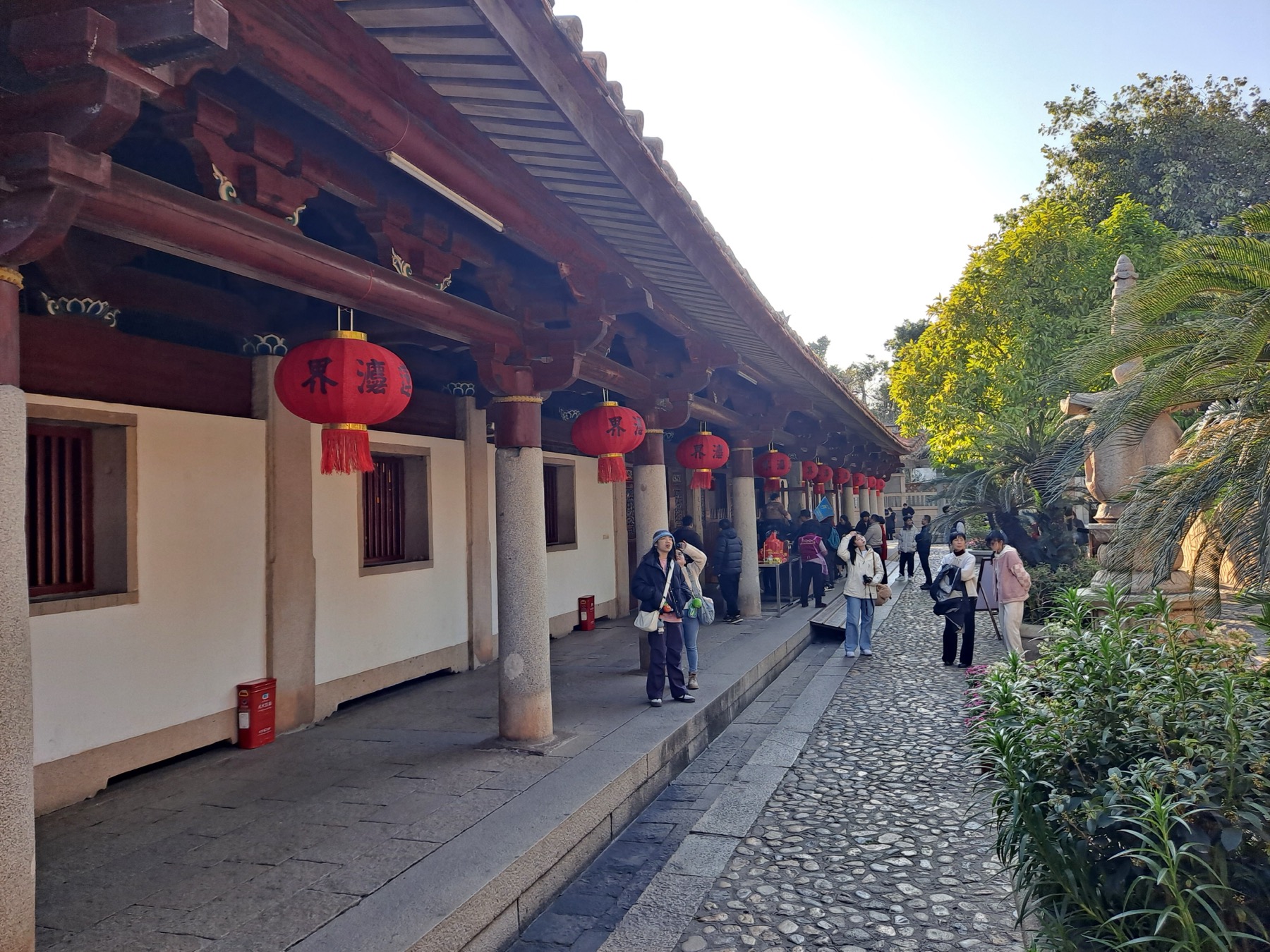
Begin at 泉州西街游客服务中心 opposite Kaiyuan Temple. The old-city model, current local guidance, free luggage service, and rooftop orientation make it a stronger first pin than an arbitrary midpoint on a crowded food street. Then enter 泉州开元寺 as a living Buddhist monastery and as evidence of the port’s wealth and cultural exchange. The public West Street, visitor center, temple, twin pagodas, Buddhist museum, and the Maritime Museum’s ancient-ship gallery inside the temple remain separate identities with different hours and closure patterns.
Day one afternoon: walk from Buddhist scale to a Muslim trading community
Continue through a bounded part of Zhongshan Road and the old city toward 清净寺 on Tumen Street. Its 11th-century stone gateway, Arabic inscriptions, prayer-hall remains, and later worship space document a resident Muslim community rather than a decorative “religions side by side” photo stop. Enter with worship etiquette, modest clothing, and no prohibited food or alcohol. Visitor hours can change for Ramadan and religious preparation—as the 2026 schedule did—so a normal-day listing must never override the venue’s current notice.
Day two morning: let the Maritime Museum assemble the whole story
At 泉州海外交通史博物馆 on East Lake Street, start with the Song–Yuan emporium exhibition, religious stone carvings, ships, and overseas-contact collections before choosing another component site. The main East Lake campus is not 泉州市博物馆, 中国闽台缘博物馆, the new maritime-museum project at the same address, or the ancient-ship gallery inside Kaiyuan Temple. The current main-campus schedule is Tuesday through Sunday with extended public-holiday hours; Monday and the ancient-ship gallery’s separate lunar-day closure need their own recovery.
Day two afternoon: make Luoyang Bridge a transport work again
If heat, rain, and energy allow, continue to 洛阳桥游客中心(桥南) and walk onto the bridge from the Quanzhou side. This is Luoyang Bridge in Quanzhou—not Luoyang city in Henan—and the useful map handoff is the bridge-south visitor center in the historic street, not a coordinate dropped into the river. Read the long stone structure, tidal setting, oyster-based foundation work, and Cai Xiang story as transport infrastructure in the port system. The visitor center, bridge, shrine, south street, and north bank are separate stops; preserve the return bus or ride before crossing.
Give performance clips a venue, date, and seat before saving them
Nanyin, string puppetry, glove puppetry, Liyuan opera, Gaojia opera, and festival processions are central to how Quanzhou’s heritage remains lived rather than staged as architecture. A TikTok or Instagram excerpt is useful evidence of an experience, but it is not automatically a permanent attraction. Resolve the producing company or venue, performance name, Gregorian date, start time, ticket or reservation, seat, language support, and late return. If the clip only names the tradition, keep it as an editorial lead and never invent the theater pin.
Treat food names as a route brief, not a branch match
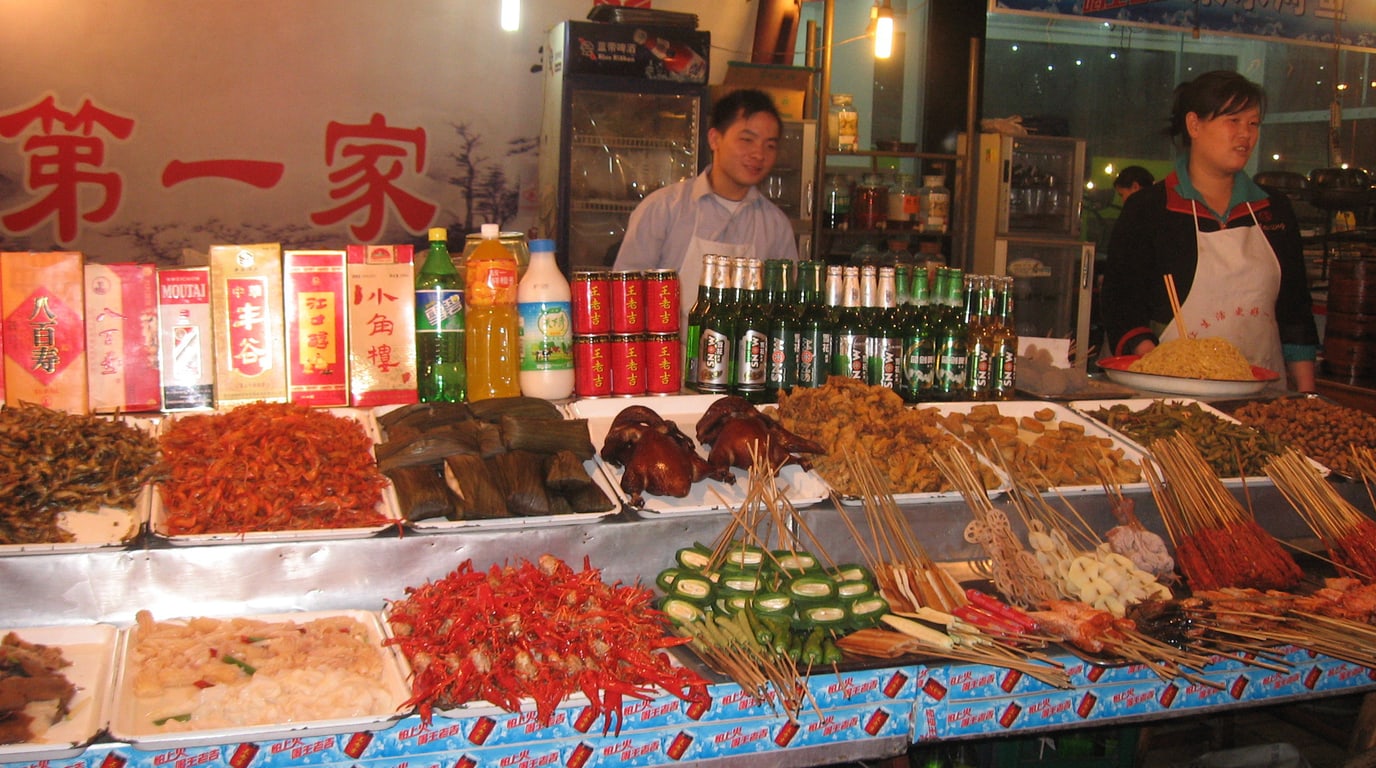
Mianxianhu noodle paste, beef soup, meat dumplings, oyster omelette, vinegar pork, ginger duck, four-fruit soup, and sweet peanut soup can structure an eating walk, but each appears in many shops and branches. Save a venue only when the Chinese storefront, branch, city, current address, and source evidence agree. Ask about shellfish, peanuts, sesame, offal, shared broth, and unit pricing at dish level. A viral West Street counter that cannot be identified should remain a food idea, not resolve to the first high-ranked map result.
Build recovery around heat, typhoons, crowds, worship, and Mondays
Quanzhou’s stone streets and courtyards become punishing in humid summer heat. A July 13, 2026 city warning recorded temperatures above 37°C in dozens of townships after Typhoon Bavi, while the preceding defense notice required already closed attractions and informal “check-in” spots to remain sealed. Put outdoor old-city and bridge time early, use the Maritime Museum through the hottest block, and keep the hotel or visitor center as a real pause. On Monday, during Ramadan, or when weather closes exposed sites, rebuild the day from currently open public streets and worship-compatible venues rather than forcing an old saved list.