China Travel Made Easy
All destinations

City

Taiyuan

The Shanxi capital that makes Jin-state memory, ritual architecture, Northern Dynasties art, and the modern museum city legible before the province opens outward

Taiyuan is not merely the rail transfer for Pingyao and Datong. Its museums, Jinci, surviving temple architecture, Fen River geography, and distinct station network provide the context and recovery infrastructure that make a wider Shanxi route work.

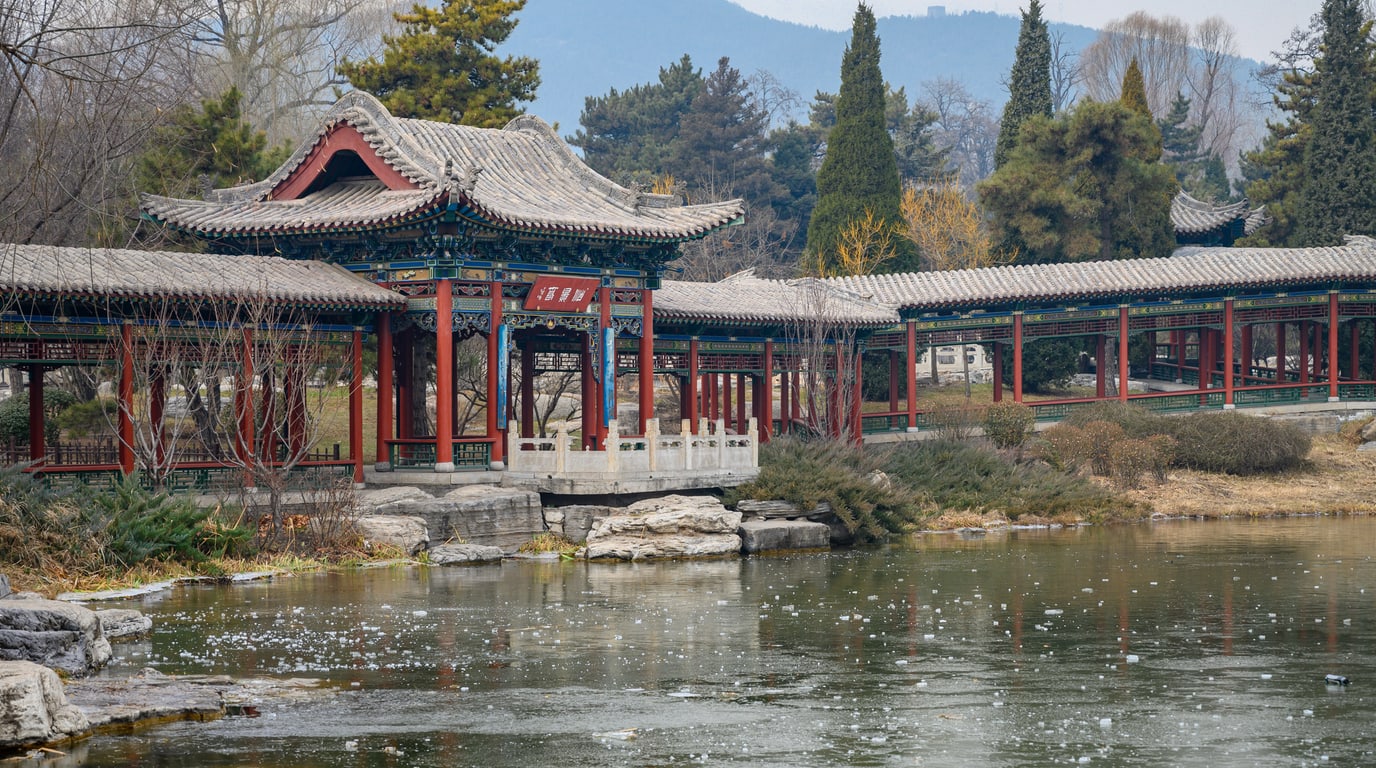
Historic gate and courtyard at Jinci in Taiyuan
Cover source: Jinci, Taiyuan

Destination digest

Taiyuan, beyond the checklist

Taiyuan is the place to understand Shanxi before collecting its headline monuments. The Fen River capital holds the long memory of Jinyang, ritual and garden architecture at Jinci, Northern Dynasties tomb art, provincial collections, an industrial-era city, and a new east–west metro spine. Give those layers three days and the rest of the province stops looking like a scattered checklist.

Useful minimum
Three full days: provincial context, Jinci, and one eastern or municipal museum day
Best first base
Line 1 central corridor or Yingze for the city; south only when rail, airport, Changfeng, or Jinci dominates
Arrival rule
太原南站, 太原站, and 太原武宿国际机场 are different last-mile contracts
Museum rule
Provincial, municipal, Bronze, and Northern Qi museums keep separate identities and reservations
Province rule
Pingyao, Datong, Wutai, and county temple routes must be saved as separate trips, not Taiyuan pins
Video-to-map rule
Resolve the exact museum, gate, tomb site, restaurant branch, dish evidence, and visit date

Treat Taiyuan as the argument, not the layover

Shanxi’s temples, tombs, merchant towns, grottoes, and mountain routes are distributed across different cities and counties. Taiyuan earns its own edition because 山西博物院 places the province’s archaeology, Jin-state history, Buddhist art, opera, architecture, merchants, ceramics, coins, painting, and jade in one sequence, while the municipal museum and original-site institutions explain the capital itself. Pingyao, Datong, Wutai Mountain, and farther wooden-architecture routes belong to separate plans; none is an interchangeable Taiyuan pin.

Arrival: read the Chinese station before choosing a base

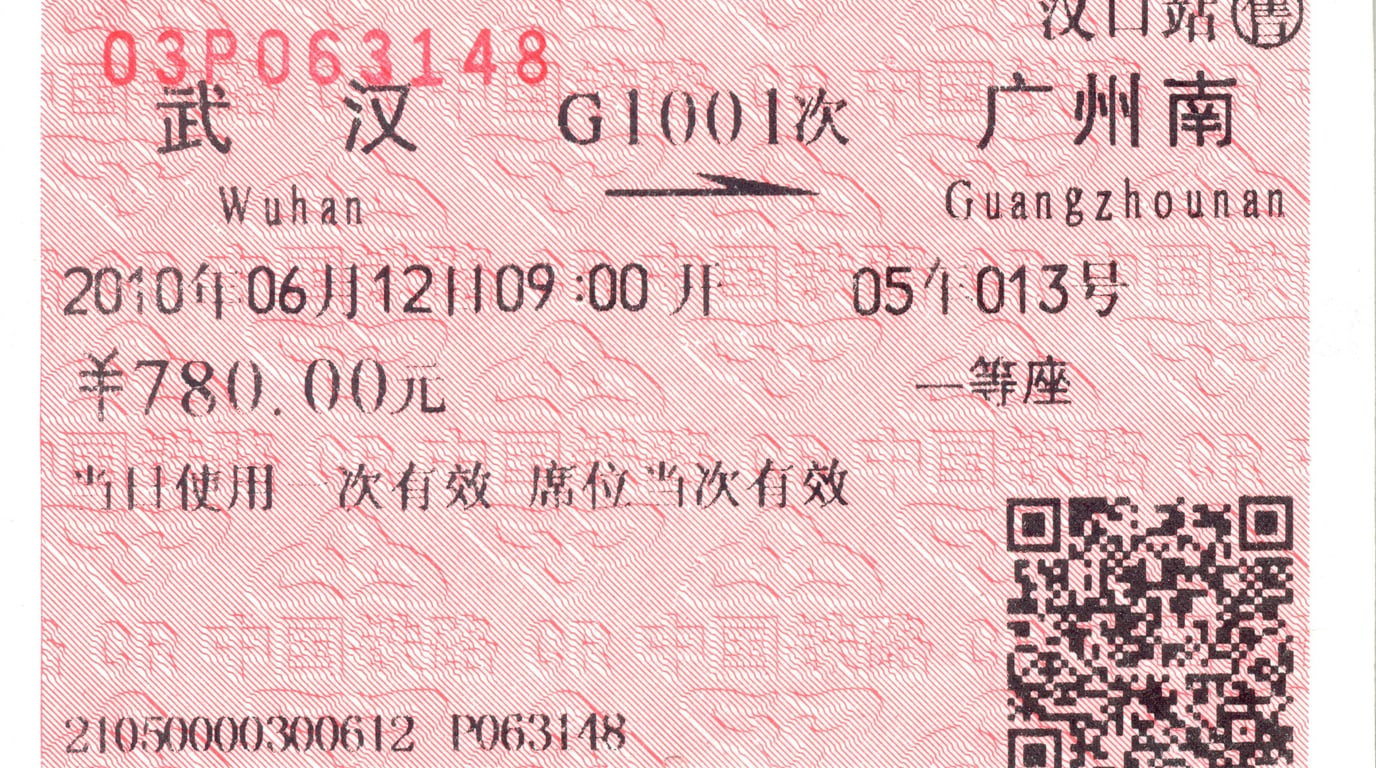
太原南站 is the principal high-speed-rail arrival on the southeast side and now connects to the airport and central corridor on Metro Line 1. 太原站 is a different, older central station; 太原武宿国际机场 and its rail or metro connections are separate again. Save the exact Chinese station printed on the 12306 ticket, then price the last transfer to the hotel. “Taiyuan station” in an English note is not enough to decide whether a central or southern base is convenient.

Day one: let the provincial collection establish the vocabulary

Begin at 山西博物院 on the west bank of the Fen River. Its core 晋魂 sequence gives later temples, tomb murals, merchant courtyards, and sculpture a chronology rather than reducing them to “ancient China.” The museum is free but currently uses real-name reservations released up to three days ahead, opens 09:00–17:00 with last entry at 16:00, and may close on its weekly rest day or by special notice. Keep the original document used to book and verify the official visitor notice before promising passport entry behavior.

Day two: read Jinci as water, ritual, garden, and architecture

晋祠博物馆 is a heritage complex in the southwest, not a generic park, shopping street, or waypoint to Tianlongshan. Its ritual buildings, sculpture, inscriptions, old trees, springs, channels, and garden spaces only make sense together. Save the museum’s main entrance and current ticket notice; Jinci Park, Taiyuan Ancient County City, Tianlongshan, restaurants, parking lots, and shuttle stops remain separate identities. Use the rest of the day for one deliberate extension, not a chain of similarly named attractions.

Day three: choose one eastern story and one recovery anchor

太原北齐壁画博物馆 was built at the Xu Xianxiu tomb site and uses original-site conservation, mural display, and digital interpretation to make Northern Qi life and movement unusually tangible. Capacity is genuinely limited, so use the official reservation channel and treat “sold out” as an itinerary state rather than a reason to buy from an unofficial seller. Pair it with 太原市双塔博物馆(永祚寺) for surviving Ming architecture, or with 太原市博物馆 for a municipal history day; attempting all three turns the city into transfers and security queues.

Keep four museum identities from collapsing into one result

山西博物院 is the provincial institution on Binhe West Road. 太原市博物馆 is the municipal comprehensive museum in the Changfeng cultural district. The nearby 山西青铜博物馆 shares the broader campus but is not the municipal museum, while 太原北齐壁画博物馆 is an original-site institution east of the center. Each has its own Chinese name, reservation channel, weekly schedule, entrance, and current exhibition state. Search and save the exact institution rather than “Taiyuan museum.”

Stay central unless the transfer map argues otherwise

A short first visit works best along the Line 1 central corridor or around Yingze and Fuxi Street, where the older city, food options, Taiyuan Station, and cross-river museum transfers remain manageable. A southern base is rational when Taiyuan South, the airport, Changfeng cultural district, Jinci, or an early onward train dominates the trip. Do not book from straight-line distance: the Fen River, station scale, large road junctions, and a venue on the far side of a campus can make a nearby pin a poor walk.

Use food videos as a branch-finding problem

头脑, 过油肉, 打卤面, 栲栳栳, 沾片子, and other Shanxi noodle forms are useful eating briefs, not mappable restaurants. A clip becomes a stop only when the current Chinese storefront, branch, visible menu or dish, address, and date agree; a brand name without a branch is still unresolved. Preserve whether the creator actually ate there and what was useful or disappointing. Never convert a bowl of noodles into the most famous search result or treat every “Shanxi restaurant” as a Taiyuan recommendation.

Make museum Mondays, capacity, and weather recoverable

Reservations and weekly closures are institution-specific, so one “museum day” can fail several ways. If the Northern Qi museum is full, use its officially suggested nearby alternatives or return to a confirmed city museum; if a Monday removes major interiors, keep the Fen River, public streets, parks, and one independently verified open site. Summer heat and cloudbursts make long exposed transfers tiring, while winter cold and air conditions can change outdoor pacing. Drop an outer district before compressing three indoor anchors into their last-entry windows.

Protect the wider Shanxi route from false proximity

Pingyao Ancient City, Yungang Grottoes, Datong old city, Wutai Mountain, and county-level temple routes are not Taiyuan neighborhoods. Add each destination as its own city or excursion with the exact rail station, bus or driver handoff, admission product, luggage plan, and protected return. Taiyuan is a strong first or final buffer because its transport and museums can absorb disruption; it should not be used as a map center that hides several hours of road or rail travel.
Places worth building around

The anchors in this digest

Each place keeps the reason it belongs in the day. Full digests also preserve the local name, exact branch or entrance, and a checked execution query.

Xiaodian high-speed-rail and Metro Line 1 arrival

Taiyuan South Railway Station

太原南站

01

This is the principal high-speed-rail arrival on Taiyuan’s southeast side and a current Metro Line 1 interchange. It is not 太原站 in the older central city, the airport, or a broad “Taiyuan railway station” result; the Chinese ticket identity determines the correct transfer.

Check the Chinese station on the 12306 ticket before booking the hotel. Use Line 1 when its east–west corridor fits, and price a taxi or ride separately when luggage, a late arrival, or a destination south of the center makes the station transfer impractical.

太原市小店区北营街道,太原南站

Wanbailin provincial-history anchor on the Fen River west bank

Shanxi Museum

山西博物院

02

The provincial museum’s 晋魂 galleries establish the archaeology, Jin-state history, Buddhist art, architecture, merchants, opera, ceramics, coins, painting, and jade vocabulary that makes the rest of Shanxi legible. It is not Taiyuan Museum or the Shanxi Bronze Museum.

Admission is free, but the official site currently uses real-name reservations released up to three days ahead and lists 09:00–17:00 with last entry at 16:00. Recheck the weekly closure and document rules, then arrive with the same original identification used to book.

太原市万柏林区滨河西路北段13号

Jinyuan ritual-architecture and historic-garden anchor

Jinci Museum main entrance

晋祠博物馆(正门)

03

The entrance leads to the protected complex of ritual buildings, sculpture, inscriptions, old trees, springs, water channels, and garden spaces. It is not Jinci Park, Taiyuan Ancient County City, Tianlongshan, a restaurant street, or a parking-lot center pin.

Confirm the current seasonal hours and ticket notice through the official channel before the southwest trip. Save any park, shuttle, meal, or Tianlongshan extension separately, and drop the extension if queues or weather threaten the museum’s last-entry window.

太原市晋源区晋祠镇,晋祠博物馆正门

Yingze original-site Northern Qi tomb-art museum

Taiyuan Northern Qi Mural Museum

太原北齐壁画博物馆

04

Built at the Xu Xianxiu tomb site, this institution combines original-site conservation, mural display, and digital interpretation. Its capacity and reservation problem are specific to this venue; it is not a gallery inside Shanxi Museum or a generic Northern Dynasties pin.

Use the museum’s official WeChat reservation route and treat a full day as genuinely sold out. Keep one of the bureau’s nearby alternatives or a confirmed city museum ready, and never pay an unofficial seller for a promise to bypass venue capacity.

太原市迎泽区王家峰北街13号

Jinyuan municipal-history anchor in Changfeng Cultural Business District

Taiyuan Museum

太原市博物馆

05

This is Taiyuan’s municipal comprehensive museum and the city-history counterpoint to the province-scale Shanxi Museum. It is not the Shanxi Bronze Museum, even though both belong to the larger Changfeng cultural campus and can appear close together in map results.

Check the municipal museum’s own reservation, weekly closure, and current exhibition notice rather than reusing Shanxi Museum’s schedule. Verify the building and entrance inside the large campus before walking from a ride drop-off or another museum.

太原市晋源区广经路13号

Yingze Ming-temple and city-skyline anchor

Taiyuan Twin Pagoda Museum at Yongzuo Temple

太原市双塔博物馆(永祚寺)

06

This identity preserves the museum and Yongzuo Temple complex behind Taiyuan’s twin-pagoda symbol. It is distinct from the surrounding public Twin Pagoda Park, a distant skyline viewpoint, or the similarly named Metro Line 1 station used for the final approach.

Metro Line 1 Shuangta station Exit A is the published approach, followed by a short surface walk. Check the museum’s current interior access and last entry; if the temple or pagodas are unavailable, the public park does not automatically substitute for the same experience.

太原市迎泽区双塔南巷19号

Guide matches

Start with these guides

These are the current China Travel Made Easy guides most relevant to planning Taiyuan. Start here for the logistics that affect cost, comfort, and avoidable mistakes before the route gets specific.

Destination QA

Answers for planning Taiyuan

What is Taiyuan best for on a China trip?

+

Taiyuan is best for the Shanxi capital that makes Jin-state memory, ritual architecture, Northern Dynasties art, and the modern museum city legible before the province opens outward. Taiyuan is not merely the rail transfer for Pingyao and Datong. Its museums, Jinci, surviving temple architecture, Fen River geography, and distinct station network provide the context and recovery infrastructure that make a wider Shanxi route work.

Where should travelers start in Taiyuan?

+

Start with Taiyuan South Railway Station in Xiaodian high-speed-rail and Metro Line 1 arrival, Shanxi Museum in Wanbailin provincial-history anchor on the Fen River west bank, Jinci Museum main entrance in Jinyuan ritual-architecture and historic-garden anchor, Taiyuan Northern Qi Mural Museum in Yingze original-site Northern Qi tomb-art museum, Taiyuan Museum in Jinyuan municipal-history anchor in Changfeng Cultural Business District, Taiyuan Twin Pagoda Museum at Yongzuo Temple in Yingze Ming-temple and city-skyline anchor. These are useful first pins before adding nearby food, transit, and stay ideas.

Which guides should I read before visiting Taiyuan?

+

Start with China's High-Speed Trains: Booking on 12306 or Trip.com as a Foreigner, China Neighborhood Walks: Public Routes, Residential Boundaries & Reliable Exits, China Attraction Tickets: Passport Booking, Release Windows & Sold-Out Recovery. These guides cover the practical setup and decisions most relevant to this destination.

Can I save Taiyuan recommendations from posts or screenshots?

+

Yes. Use Save Places to paste the caption, OCR text, note, or place list, then review the bilingual identities before creating AMap or Apple Maps handoffs. A bare social URL is not fetched by the static prototype.