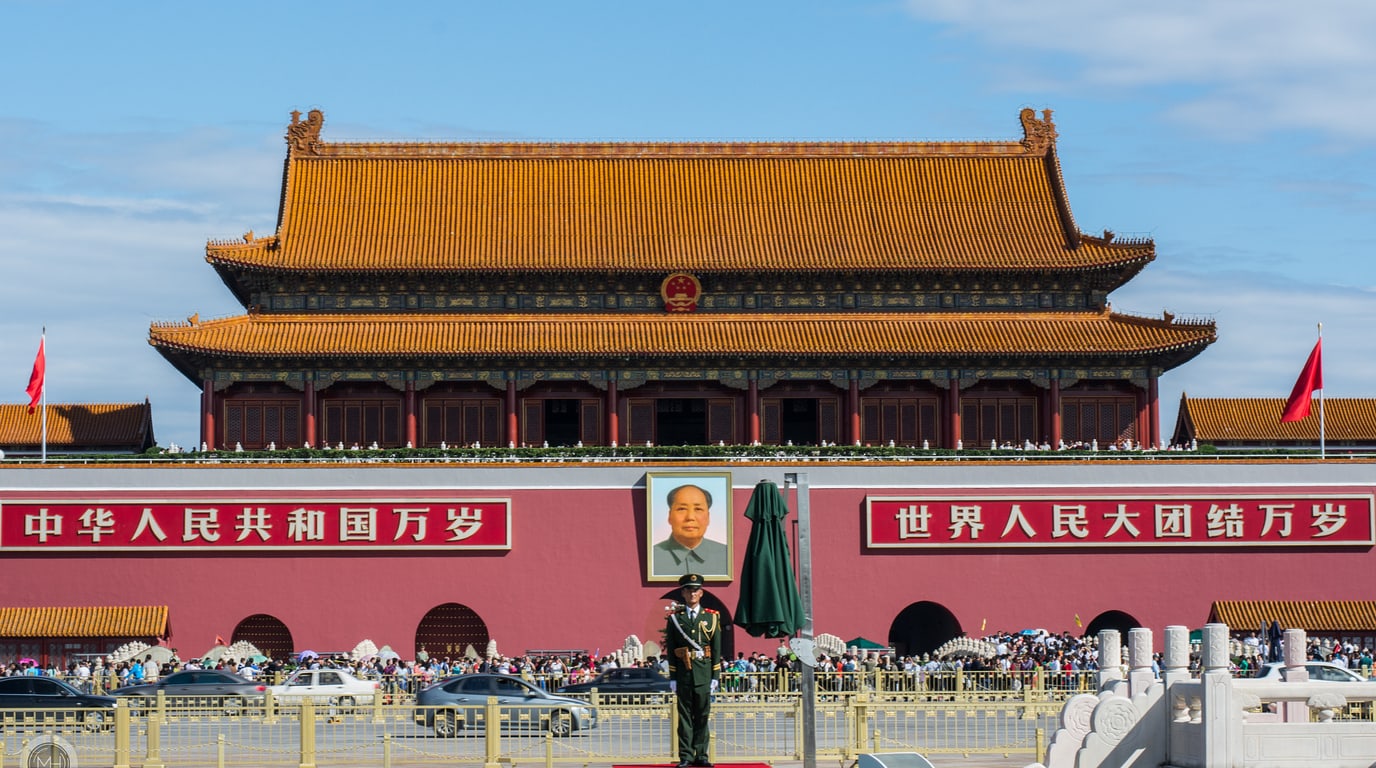
Read the systems behind the façades
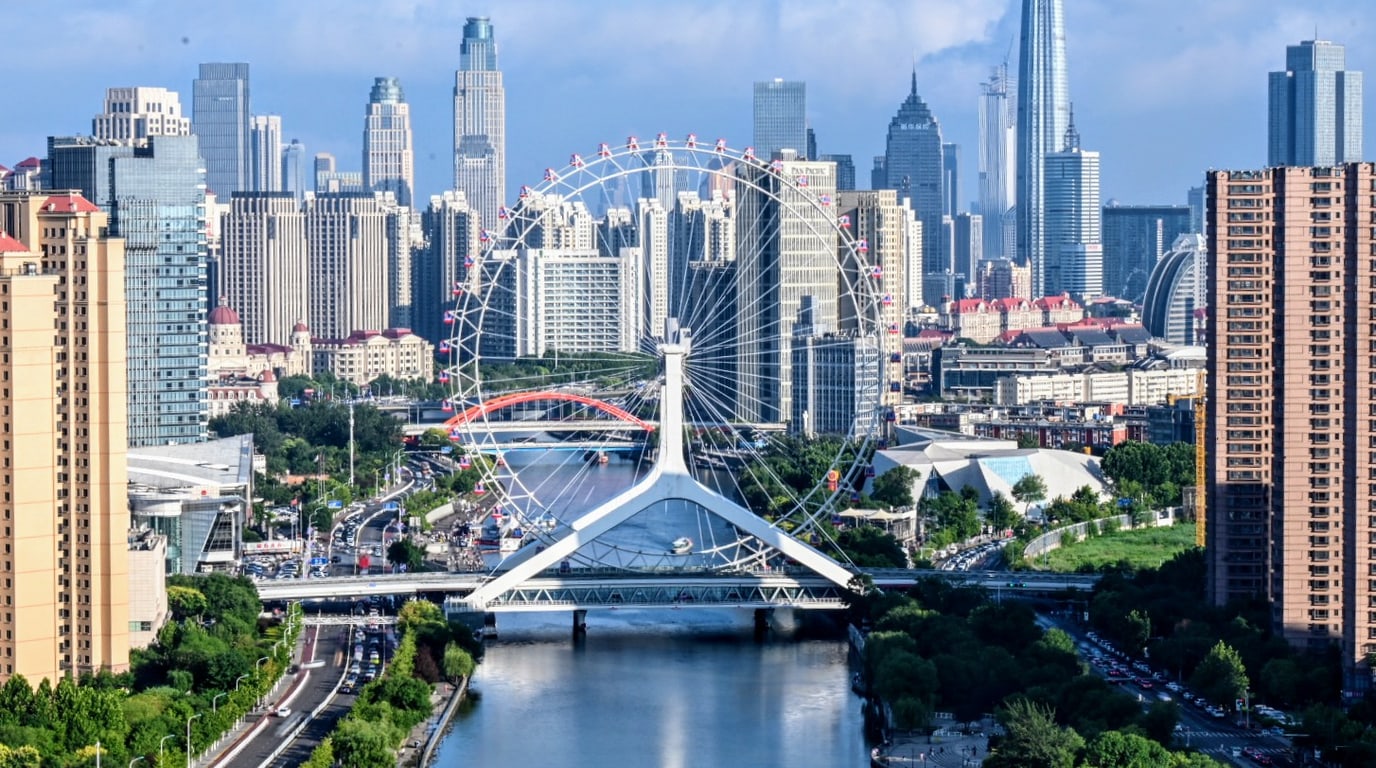
Five Great Avenues, the former Italian concession, the old city, the Haihe banks, and Binhai do not represent one generic “foreign architecture” theme. They preserve different periods, residents, institutions, and relationships to trade. Use Tianjin Museum to establish how canal geography, the 1860 opening, foreign concessions, Chinese commerce, reform, war, and industry changed the city. Then let individual streets and buildings test that story rather than treating style labels as history.
Arrival: save the station printed on the ticket
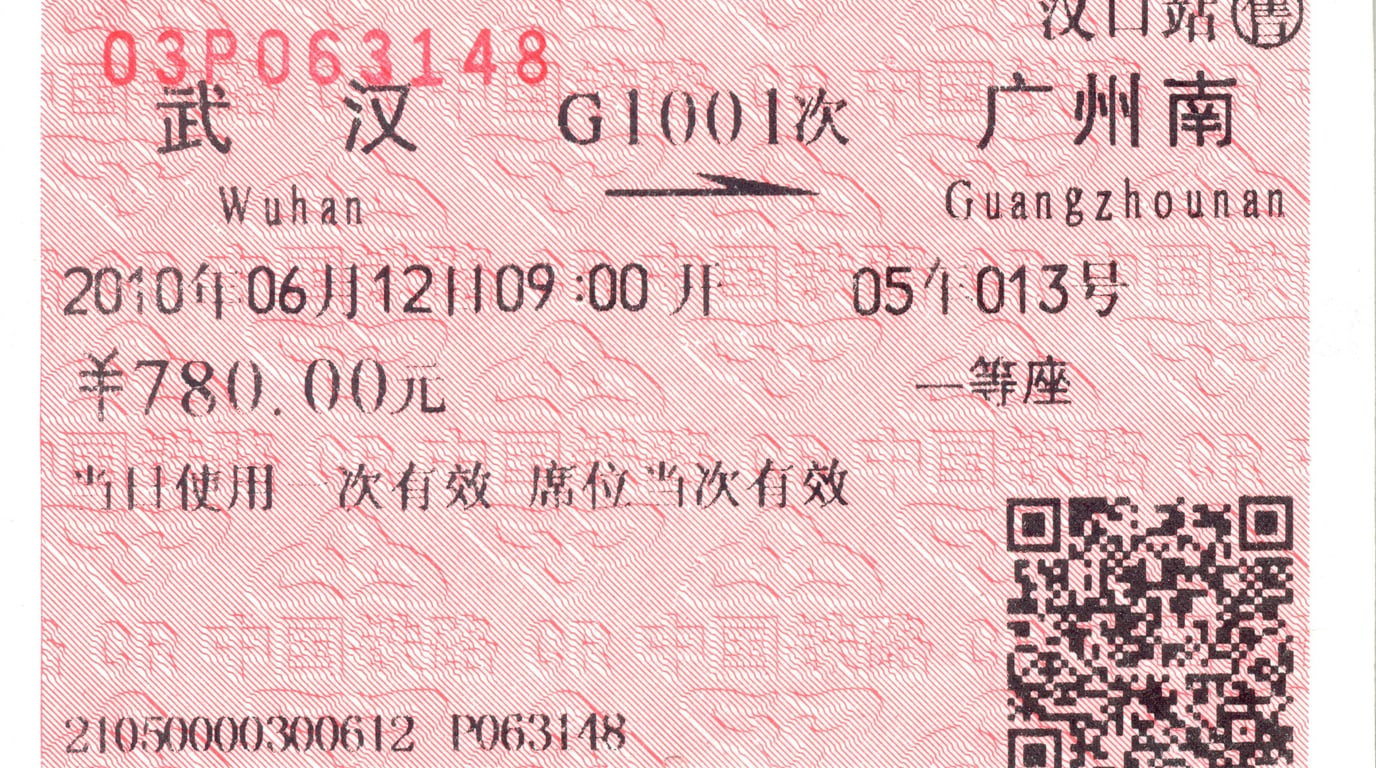
天津站 is the practical Beijing–Tianjin arrival for the Haihe, Italian Style Area, and a central stay, with metro Lines 2, 3, and 9 in the station complex. It is not 天津西站 or the more distant 天津南站, and a ticket to 滨海站 or 滨海西站 begins a different city-scale plan. Current works are changing ride-hail pickup at Tianjin Station’s south square; follow the live signs and app pickup point instead of an old video. Preserve the return train and security buffer before beginning a same-day visit.
Stay for two city days, not one compressed transfer
For a first visit, stay in Heping around Yingkoudao, Xiaobailou, or the river-facing edge of the central districts. That keeps Five Great Avenues, city-center museums, Haihe evenings, and several metro lines usable without making Tianjin Station the only orientation point. A Beijing day trip can support one museum-and-neighborhood argument, but it cannot honestly include Five Great Avenues, Ancient Culture Street, a long Haihe walk, multiple foods, and Binhai. Give the central city two full days; add Binhai as a third.
Day one morning: learn why modern Tianjin mattered
Begin at 天津博物馆 in the Culture Center and prioritize the permanent “Tianjin—An Epitome of China in the Past Hundred Years” and “The Origin of Tianjin Humanities” displays before decorative-arts galleries or temporary exhibitions. The museum is free but currently uses timed reservations, closes Monday outside statutory holidays, and may require the original document used to book. 天津博物馆 is not 天津自然博物馆, 天津美术馆, or any Binhai museum in the wider complex.
Day one afternoon: make Five Great Avenues a walk again
Start at the new 天津五大道文化旅游区游客服务中心 inside Minyuan Square. Its model, interpretation, current advice, rest space, and two-sided route through the square provide a stable orientation point for a district of many protected houses. Choose a bounded loop through Chongqing, Munan, Dali, Changde, or Machang roads and read street scale, gardens, setbacks, and changing uses. Carriage and sightseeing-vehicle circuits are products, not prerequisites; individual residences need their own access status before becoming pins.
Day two morning: separate the old-city street from its living temple
Ancient Culture Street is a reconstructed commercial pedestrian district; 天津天后宫 at 古文化街80号 is the much older Mazu institution that explains Tianjin’s river, sea, and migrant connections. Keep the public street, temple, shops, festival stages, and nearby old-city lanes as separate identities. A 2026 government notice confirms active repair work inside the temple compound, so do not promise every hall or service from a normal-hours listing. If interiors are restricted, the old-city and river walk remains viable without inventing access.
Day two afternoon: cross the river into arguments, not a theme park
Walk a deliberate Haihe segment toward the former Italian concession, using bridges as route decisions rather than photo pins. Anchor the district at 天津梁启超纪念馆 on Minzu Road, where the former residence and Yinbingshi connect architecture to the political and intellectual transformations of modern China. The memorial hall, Marco Polo Square, seasonal performance areas, restaurants, and hotel conversions are different venues. A festival clip proves an event happened on a date; it does not make the whole district a permanent show.
Give Binhai and the National Maritime Museum their own contract
国家海洋博物馆 is at 海轩道377号 in Sino-Singapore Tianjin Eco-City, not beside the central Haihe sights and not the same as Tianjin Museum. The official guide recommends driving or hiring a car; the public-transport chain can involve Metro Line 9 to Donghailu, another bus, and an Eco-City connection. Reserve the timed museum entry, confirm every transfer and the last return, and allow most of a day. Holiday shuttles and special through-buses are dated services, not a permanent route promise.
Treat breakfast names and performance clips as evidence leads
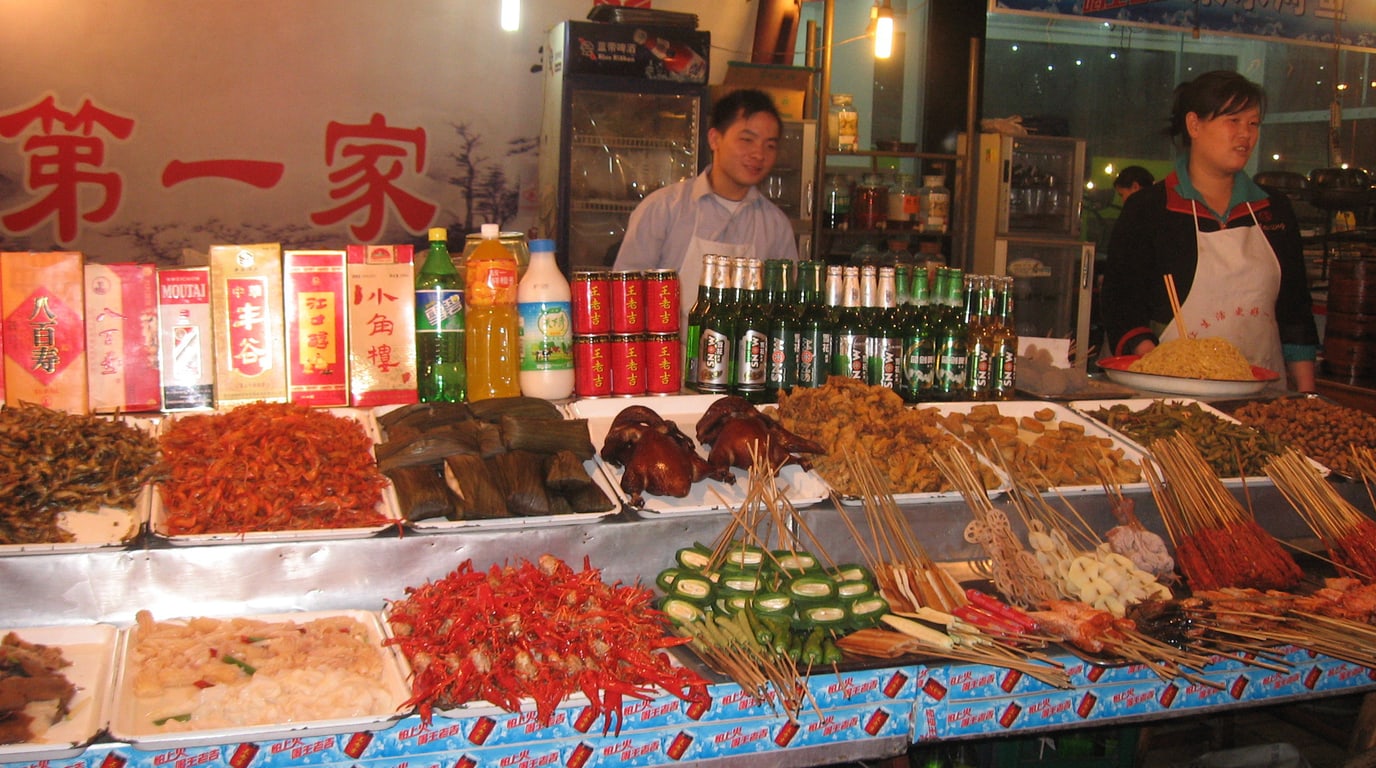
Jianbing guozi, guobacai, fried dough, baozi, mahua, and halal breakfast traditions describe food categories, not automatically verified shops. Resolve the Chinese storefront, branch, current address, opening window, queue, and dish shown before saving a pin; a creator saying “Tianjin breakfast” cannot identify the nearest search result. Do the same for crosstalk, opera, street concerts, and seasonal shows: keep the source, venue, performance name, Gregorian date, seat or standing area, ticket, and late return together.
Build recovery around Mondays, exposed streets, water, and distance
Tianjin Museum and the National Maritime Museum normally close Monday, while historic-house access, temple restoration, seasonal events, and river-cruise operations follow separate notices. Summer brings heat, thunderstorms, slippery river edges, and possible controls around underpasses or waterfronts; winter can close Haihe navigation during the freeze. Put exposed architecture walks in the cooler hours, use a confirmed museum for heat or rain, never treat a cruise as guaranteed transport, and drop Binhai rather than gambling the final train.