China Travel Made Easy
All destinations

City

Wuhan

Three historic towns, two rivers, Chu collections, lake routes, and an ordinary ferry that changes the plan

Wuhan becomes more than a tower and a bowl of noodles when the Yangtze and Han River are used to distinguish Wuchang, Hankou, and Hanyang—and every station, museum gate, greenway portal, and ferry terminal keeps its real identity.

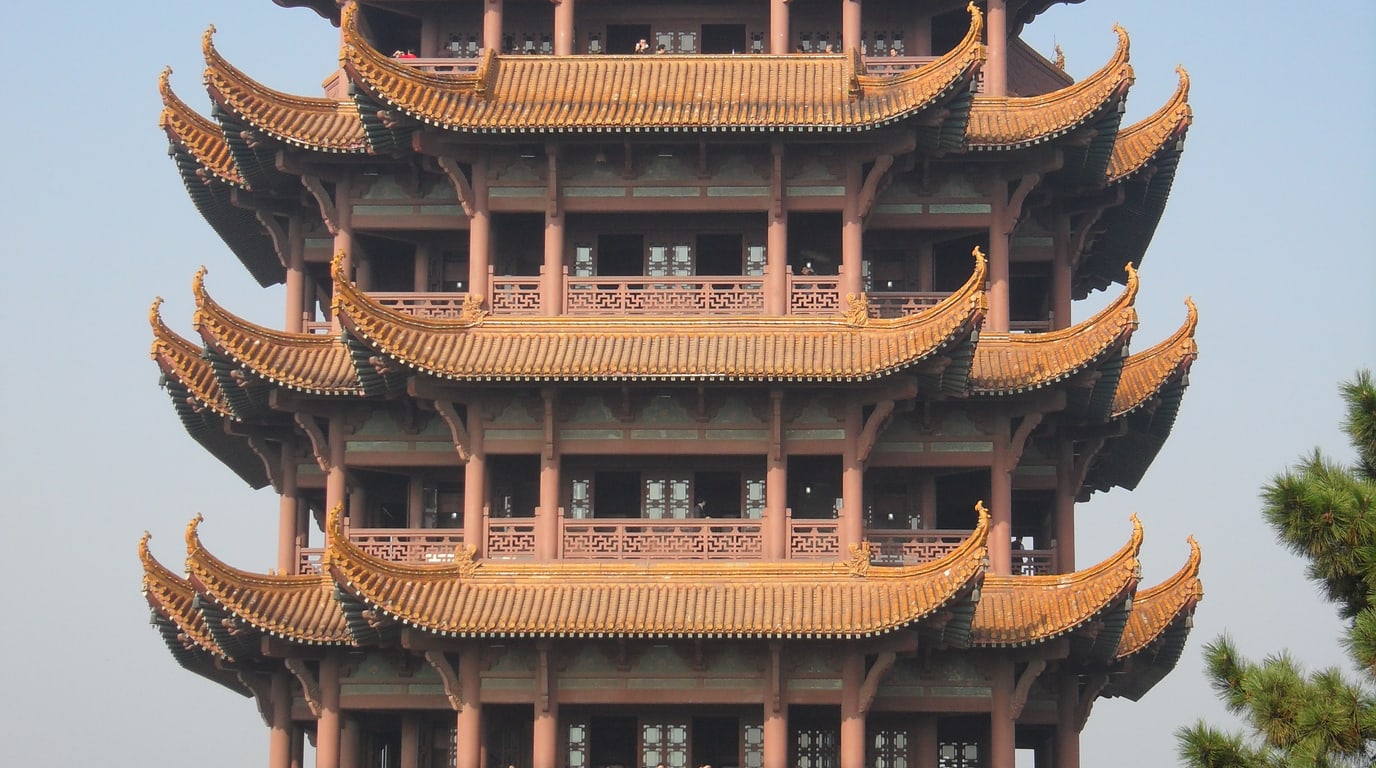
Yellow Crane Tower above the Wuchang skyline in Wuhan
Cover source: Yellow Crane Tower in Wuhan

Destination digest

Wuhan, beyond the checklist

Wuhan is not one riverfront center. The Yangtze and Han River divide three historic towns with different roles: Wuchang holds major institutions and East Lake, Hankou carries the commercial-port city, and Hanyang is the industrial and cultural third shore. A useful trip crosses those histories deliberately instead of collecting skyline pins.

Useful minimum
Two full days for Wuchang and Hankou; add a third for Hanyang or weather and museum recovery
Best first base
A Line 2 interchange in Hankou or a Line 8/4 connection in Wuchang, chosen around the first booked morning
Rail rule
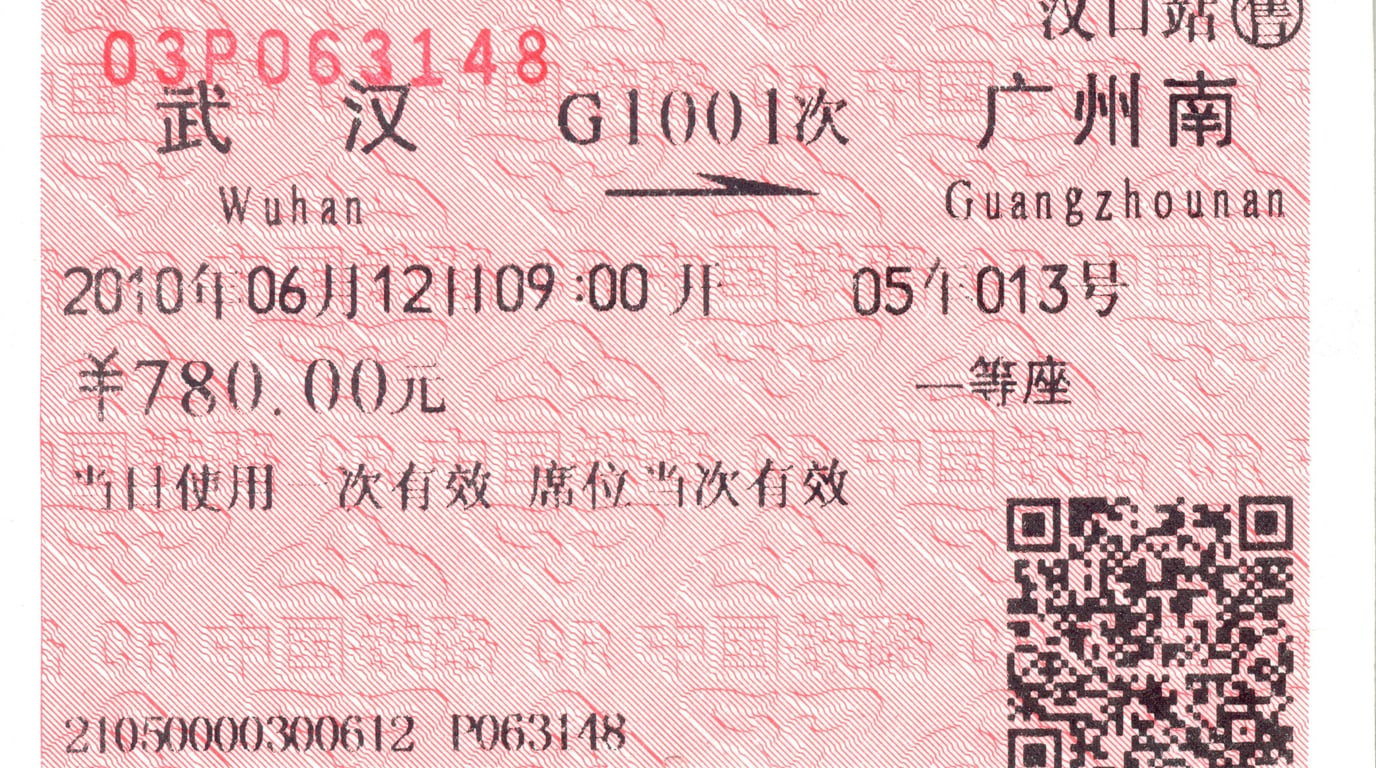
武汉站, 汉口站, and 武昌站 are different arrivals; copy the station printed on the 12306 ticket
Museum rule
湖北省博物馆 uses free timed real-name booking, accepts passports, and sends individual visitors to the South Gate
Lake rule
Save a named East Lake portal and bounded route; never treat the entire greenway as one executable pin
River rule
Preserve terminal number and direction, then keep Metro Line 2 ready when the ordinary ferry is suspended

Read three towns before choosing one “downtown”

Wuchang, Hankou, and Hanyang meet where the Yangtze and Han River divide the city. Wuchang is the stronger base for the Hubei Provincial Museum, East Lake, Yellow Crane Tower, universities, and the 1911 story. Hankou gives the old commercial port, concession-era streets, Jianghan Road, and the working riverfront. Hanyang is neither an interchange nor an afterthought: it carries the city’s earlier administrative history, industrial memory, and a quieter third-shore rhythm. Build the first two days across Wuchang and Hankou; add Hanyang only when you can give it a real half-day.

Arrival: the ticket names the station, not the city

武汉站, 汉口站, and 武昌站 are three major passenger stations in different parts of the city. Wuhan Station is the principal long-distance high-speed hub east of the old centers and connects with Metro Lines 4, 5, and 19. Hankou Station is often the easier arrival for a Hankou base, while Wuchang Station begins south of the Yangtze. Confirm the Chinese station on 12306 before booking pickup or lodging. For two full days, stay near a useful Line 2 interchange in Hankou or a Line 8/4 connection in Wuchang rather than choosing a vague “city-center” hotel.

Day one: let the provincial museum establish the region

Reserve 湖北省博物馆 and enter through the South Gate for a focused morning on the Chu state, bronze bells, lacquer, and the long history that makes Wuhan a central-China city rather than only a modern transport hub. The museum is free but real-name and timed; its official service page accepts passports and other listed documents. Individual visitors use the South Gate, while the North Gate functions as an exit and luggage point. It is not 武汉博物馆 near Hankou Station, and an English “Wuhan museum” search should never substitute one for the other.

Bound East Lake to one route, not a whole blue shape

Continue from the museum only if heat, rain, and energy allow. The East Lake Greenway exceeds 100 kilometres and has multiple portals; “bike East Lake” is not an itinerary. Enter at 东湖绿道湖光序曲驿站 near Liyuan, choose one named segment of the Lake-in-the-Lake route, and preserve the same portal or another confirmed exit for the return. Tingtao and Moshan are currently free, while other scenic products can have separate admission. A bicycle, shuttle, boat, garden, and broad lake coordinate are different planning objects.

Day two: separate the tower, the metro photo wall, and the river crossing

黄鹤楼公园 is a paid park on Sheshan. Use the South Gate when the day continues downhill toward the Wuchang riverfront; the East Gate is another legitimate access point, while the popular red wall at Simenkou Yellow Crane Tower Metro Station is an outside photo viewpoint rather than park admission. After the tower, descend toward 中华路1号码头 and take the ordinary 武中线 ferry to 武汉关码头 when it is running. Keeping the numbered terminal and direction turns the Yangtze from scenery into the structure of the day.

Let Hankou explain why the ferry lands here

江汉关博物馆 occupies the historic customs building at 129 Yanjiang Avenue and interprets Hankou’s opening, trade, and modern urban history. The building, collection, riverfront, and adjacent Wuhan Customs ferry terminal reinforce one another, but they remain separate records with separate hours. Continue north through a bounded set of historic streets and buildings rather than calling all of Hankou a “concession area.” A restaurant or hot-dry-noodle shop becomes a pin only when its Chinese name, exact branch, current storefront, and opening pattern agree; the dish alone is an eating brief.

Use Hanyang as a third-shore recovery day

If a third day is available, cross to Hanyang for one coherent theme—early city history, industrial heritage, or the river landscape around Guishan—rather than claiming that all three towns fit between breakfast and dinner. This is also the recovery day when a museum Monday, East Lake storm, or ferry suspension breaks the first plan. Keep the Hanyang destination or venue exact before saving it; “three towns” is a geographic idea, not permission to create a generic pin for each shore.

Make weather and closure recovery part of the route

Wuhan summer heat and humidity make exposed greenway, hill, and riverfront blocks harder than their map distances suggest. Heavy rain, high water, fog, wind, maintenance, and holiday controls can suspend ferries or move passenger flows; recent official notices show that water transport is conditional, not guaranteed. Keep Metro Line 2 as the cross-river recovery, move the museum to a non-Monday slot, place a hotel or indoor pause after long outdoor blocks, and verify the newest terminal, attraction, and weather notice on the day rather than trusting an old short-form clip.
Places worth building around

The anchors in this digest

Each place keeps the reason it belongs in the day. Full digests also preserve the local name, exact branch or entrance, and a checked execution query.

High-speed rail arrival east of the historic center

Wuhan Railway Station

武汉站

01

武汉站 is the city’s principal long-distance high-speed hub, east of the older urban cores. It is not 汉口站 on the north side of the Yangtze or 武昌站 south of the river; a ticket that says one of those names changes the first metro transfer and the sensible hotel approach.

Check the Chinese station on the 12306 ticket before planning pickup. Wuhan Station connects with Metro Lines 4, 5, and 19; follow the line and exit signs inside the rail complex, and rebuild the route rather than asking a driver for a generic “Wuhan train station.”

武汉市洪山区白云路,武汉站

Wuchang museum entrance beside East Lake

Hubei Provincial Museum South Gate

湖北省博物馆南门

02

The South Gate is the official entrance for individual and group visitors to the provincial museum. Saving it keeps the public queue, the North Gate exit and luggage point, and the broader East Lake campus from collapsing into one pin while preserving the correct institution rather than Wuhan Museum near Hankou Station.

Reserve the free timed visit only through an official channel, register the passport or other accepted document, and bring that original document. Metro Line 8 to 省博湖北日报站 still leaves a signed walk of roughly 700 metres to the South Gate; Monday normally removes the museum from the day.

武汉市武昌区东湖路160号,湖北省博物馆南门

Named Tingtao gateway to the East Lake Greenway

East Lake Greenway at Lake Light Prelude

东湖绿道湖光序曲驿站

03

湖光序曲 is a named gateway and service station at the start of the Lake-in-the-Lake route, not a pin for the entire hundred-kilometre East Lake Greenway. It gives a reproducible entrance near Liyuan and lets a traveler choose one bounded lakeside section rather than promising an impossible complete circuit.

Use Metro Line 8 to 梨园站, then enter at 湖光序曲 and choose the distance before renting a bicycle or committing to a long walk. Keep a named return portal, watch heat and storm notices, and do not assume a shared bike can be left at every scenic-area exit.

武汉市武昌区沿湖大道,东湖绿道湖光序曲驿站

Paid park entrance on Sheshan in Wuchang

Yellow Crane Tower Park South Gate

黄鹤楼公园南门

04

The South Gate is a staffed entrance to the paid Yellow Crane Tower park and fits the downhill continuation toward the Wuchang riverfront. It is not the popular red-wall photo point outside Simenkou Yellow Crane Tower Metro Station, the East Gate taxi drop-off, or a generic view of the tower from the city.

Confirm the current official ticket and entry window before climbing. Bus stops at 黄鹤楼站 serve the South Gate; Metro Line 5’s red wall is an outside viewpoint, so choose it only as a free alternative or a separate photo stop rather than assuming it admits you to the park.

武汉市武昌区黄鹤楼南路,黄鹤楼公园南门

Wuchang ordinary-ferry terminal below the old city

Zhonghua Road No. 1 Ferry Terminal

中华路1号码头

05

中华路1号码头 is the Wuchang endpoint of the ordinary 武中线 ferry to 武汉关码头 in Hankou. It is not Zhonghua Road No. 2, the nearby tourist-cruise boarding points, or a generic riverside pin; retaining the number and direction makes the river crossing an executable part of the itinerary.

Use the ordinary commuter ferry only after checking the same-day route notice. The current service is low-cost and frequent, but high water, storms, fog, maintenance, and holiday controls can suspend or move service; Metro Line 2 across the river is the recovery route, not a failed-plan afterthought.

武汉市武昌区临江大道,中华路1号码头

Historic Hankou customs building beside the ferry terminal

Wuhan Customs House Museum

江汉关博物馆

06

江汉关博物馆 occupies the historic customs building and interprets Hankou’s opening, trade, and modern city history. It is not Wuhan Museum near Hankou Station, the separate Wuhan National Government Site, or simply the clock tower seen from the river; the institution makes the commercial shore legible.

Treat the museum and the adjacent 武汉关码头 as separate records with separate operating conditions. Check the museum’s current opening notice and Monday pattern before crossing; if it is closed, keep the historic-building and riverfront walk but do not imply that an exterior view replaces the collection.

武汉市江岸区沿江大道129号,江汉关博物馆

Guide matches

Start with these guides

These are the current China Travel Made Easy guides most relevant to planning Wuhan. Start here for the logistics that affect cost, comfort, and avoidable mistakes before the route gets specific.

Destination QA

Answers for planning Wuhan

What is Wuhan best for on a China trip?

+

Wuhan is best for three historic towns, two rivers, Chu collections, lake routes, and an ordinary ferry that changes the plan. Wuhan becomes more than a tower and a bowl of noodles when the Yangtze and Han River are used to distinguish Wuchang, Hankou, and Hanyang—and every station, museum gate, greenway portal, and ferry terminal keeps its real identity.

Where should travelers start in Wuhan?

+

Start with Wuhan Railway Station in High-speed rail arrival east of the historic center, Hubei Provincial Museum South Gate in Wuchang museum entrance beside East Lake, East Lake Greenway at Lake Light Prelude in Named Tingtao gateway to the East Lake Greenway, Yellow Crane Tower Park South Gate in Paid park entrance on Sheshan in Wuchang, Zhonghua Road No. 1 Ferry Terminal in Wuchang ordinary-ferry terminal below the old city, Wuhan Customs House Museum in Historic Hankou customs building beside the ferry terminal. These are useful first pins before adding nearby food, transit, and stay ideas.

Which guides should I read before visiting Wuhan?

+

Start with China's High-Speed Trains: Booking on 12306 or Trip.com as a Foreigner, China Attraction Tickets: Passport Booking, Release Windows & Sold-Out Recovery, China Neighborhood Walks: Public Routes, Residential Boundaries & Reliable Exits. These guides cover the practical setup and decisions most relevant to this destination.

Can I save Wuhan recommendations from posts or screenshots?

+

Yes. Use Save Places to paste the caption, OCR text, note, or place list, then review the bilingual identities before creating AMap or Apple Maps handoffs. A bare social URL is not fetched by the static prototype.