Read the island city before saving the island attraction
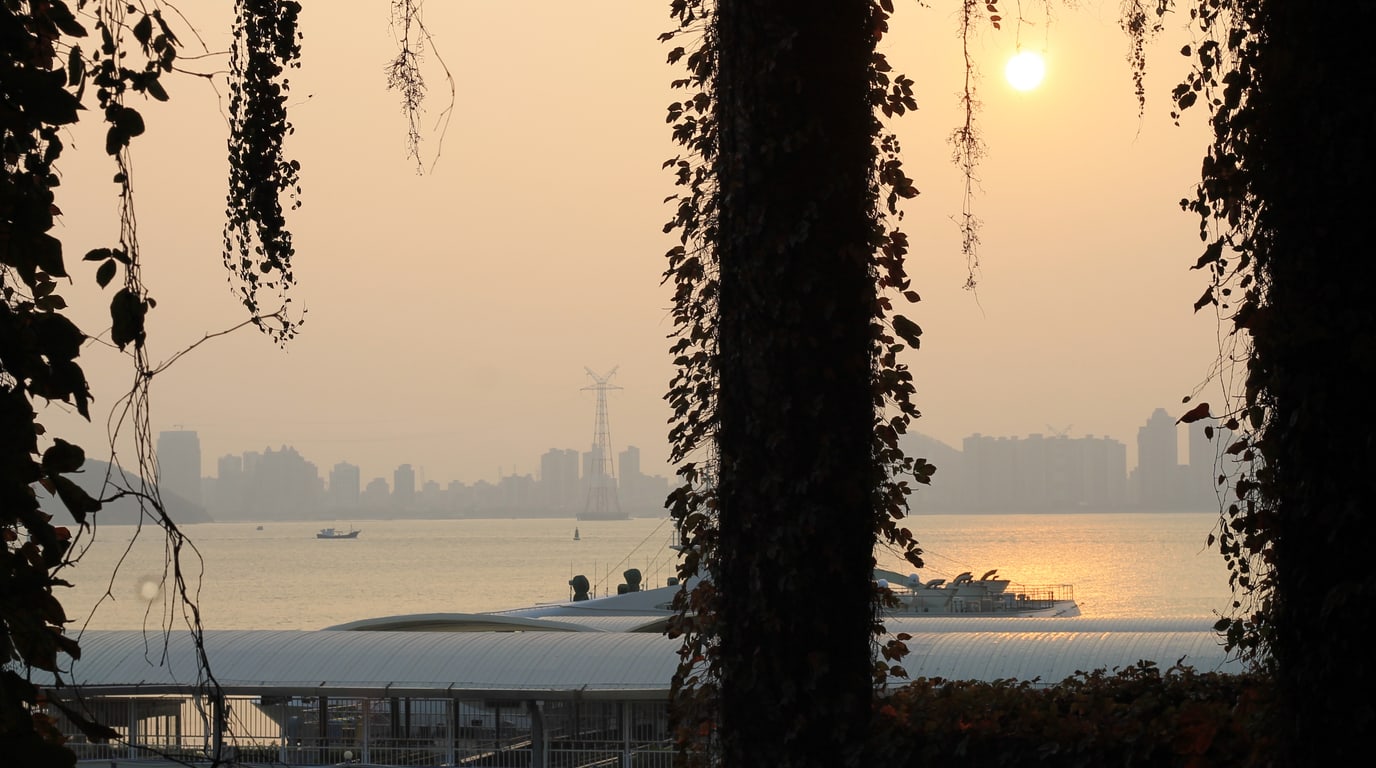
Central Siming, the old harbor, south-island institutions, the modern east coast, mainland Jimei, and Gulangyu are not one walkable “Xiamen coast.” The Lujiang Strait makes the city legible: Xiamen Island faces Gulangyu, while the high-speed rail arrival often begins much farther north at 厦门北站. Keep the transport layer visible when a short video cuts from a station to a ferry, villa lane, temple, beach, and cafe. Each cut hides a different entrance, product, or cross-city transfer.
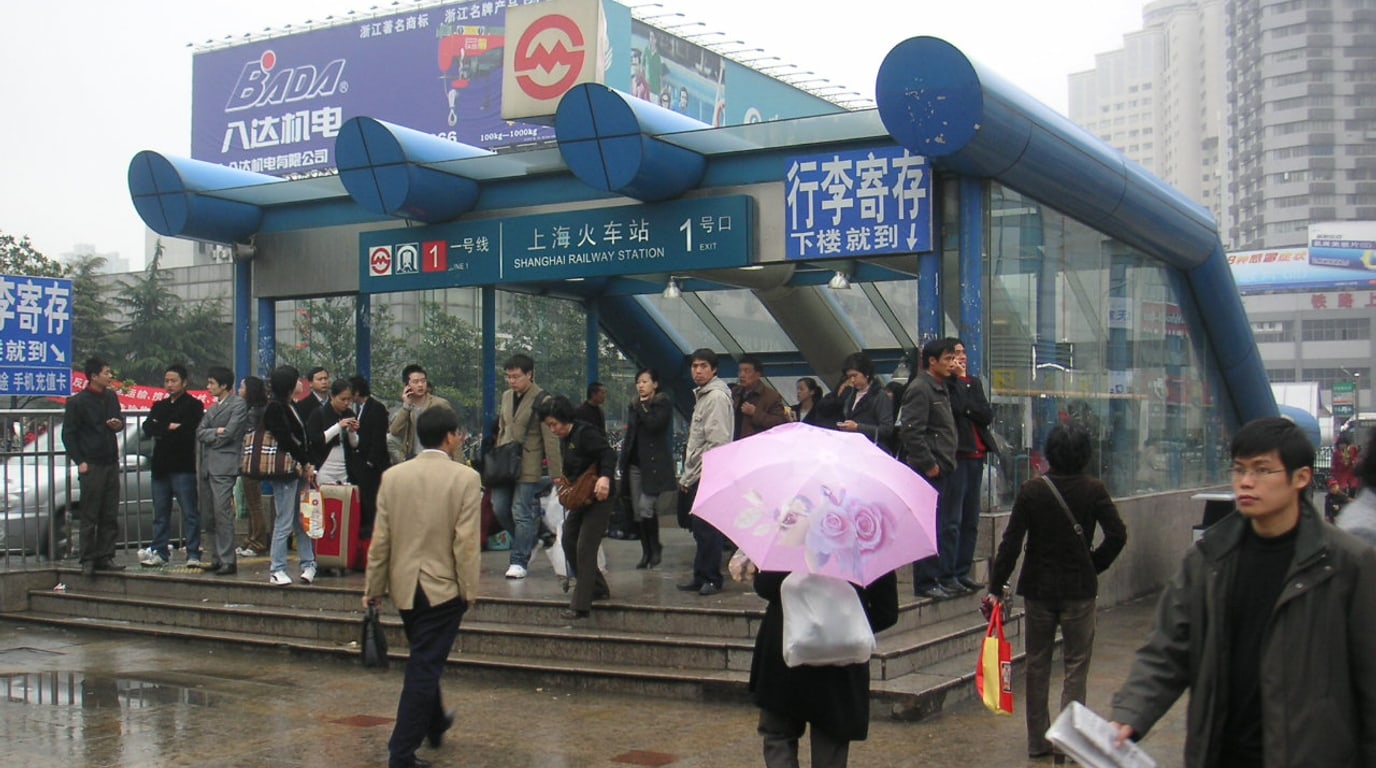
Arrival: the station name sets the first hour
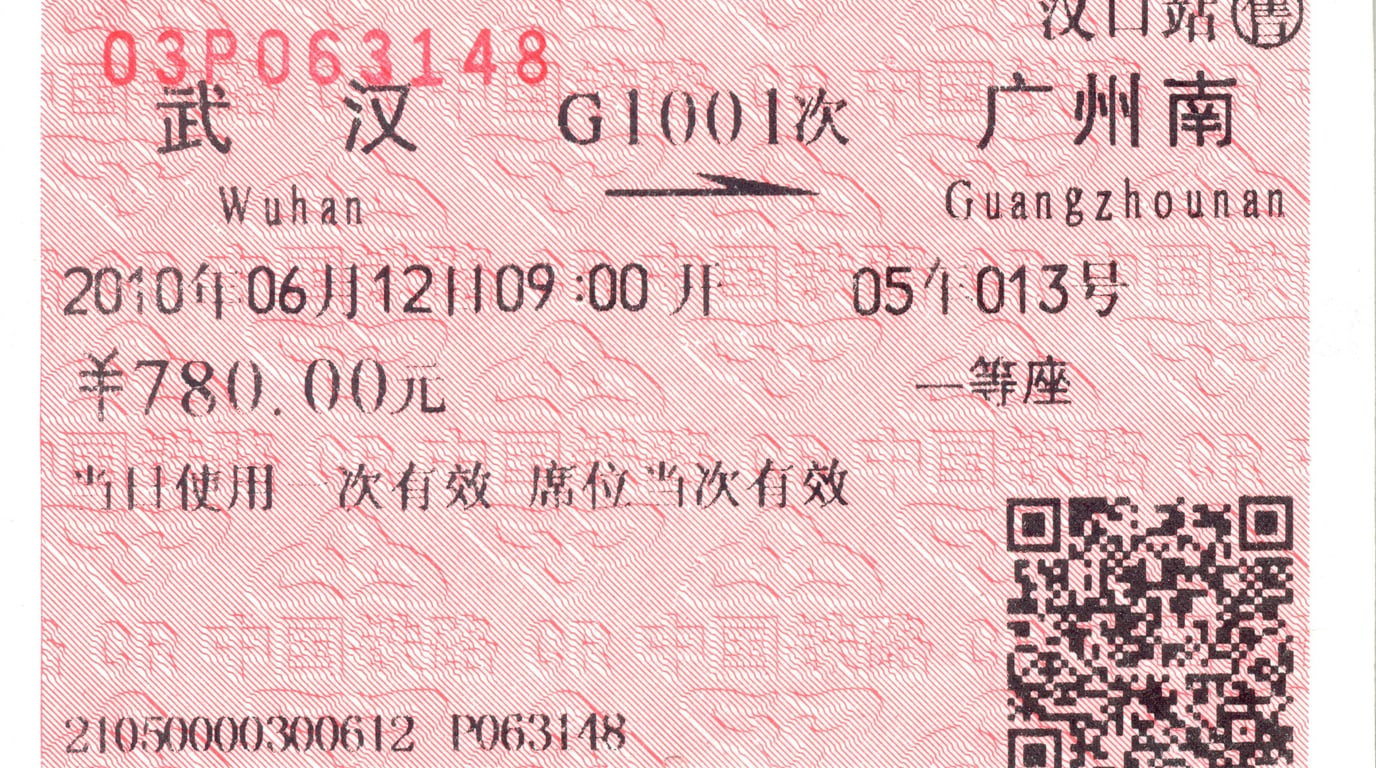
厦门北站 is the principal high-speed rail hub in mainland-side Jimei and connects to central Xiamen by Metro Line 1. 厦门站 sits on Xiamen Island closer to Siming. Current passenger traffic still uses 厦门高崎国际机场 while the new Xiang’an airport transition remains a moving operational question; never replace the airport on a live ticket with a future-airport headline. Save the exact Chinese station or terminal, hotel entrance, and first transfer offline before arrival.
Day one: make the port and migration story visible
Begin in south Siming at 华侨博物院, where overseas migration, return networks, collections, and Tan Kah Kee’s institution give context to Gulangyu’s villas and the old name Amoy. Continue to 南普陀寺 as a living monastery, then take only one bounded urban route—toward the old harbor, Shapowei, or a public coastal section. Xiamen University should remain optional unless its current official visitor system, document, gate, and time slot all work; adjacency is not admission.
Day two: Gulangyu starts before the water
A Gulangyu day begins with the ticket identity, not the first villa. For the main daytime visitor route, match 邮轮中心厦鼓码头(operator: 东渡客运码头), the destination pier, departure date, fixed sailing, passenger name, and passport. The ferry operator accepts valid passports and publishes a verified-Alipay path for foreign visitors, but a number mismatch can still require staffed verification. Arrive early enough for security and the ten-minute cutoff; “ferry terminal” is not an adequate map pin.
Walk Gulangyu as a settlement, not a backdrop
UNESCO describes Kulangsu as a historic international settlement whose roads, gardens, southern Fujian buildings, international styles, and Amoy Deco emerged from exchange among local residents, returned overseas Chinese, and foreign communities. Begin at 鼓浪屿三丘田码头 and choose a slow loop with a small number of interiors. The island itself, individual ticketed attractions, museums, gardens, and food branches remain separate products. Leave room for residents, slopes, heat, and the fact that luggage on stone lanes changes the day.
Return rules are part of the pin
The operator’s standard visitor ticket fixes the outbound sailing but normally permits one return within 20 days from either 三丘田 or 内厝澳. Their published operating windows differ, and the afternoon return peak adds queues. Keep the passport or boarding credential used to enter. A late island stay, an evening meal, or a hotel transfer should be built around the current return pier and notice—not around the assumption that every boat returns to the daytime departure terminal at any hour.
Day three: choose one subtropical landscape at human scale
厦门园林植物园 is large enough to require a gate and route decision. The official guide recommends the Huyuan Road west gate or the south gate for efficient access and warns that other entrances can sit roughly an hour from the main scenic area on foot. Use 西大门 for a core garden day, choose a limited set of collections, and start early in summer. A beautiful mist-system clip does not establish its current operating window, ticket channel, or the entrance from which it was filmed.
Stay for the first dependency, not a generic sea view
The Zhongshan Road and old-harbor area works for a short first trip with public evening walks and easier access toward the nighttime ferry side; south Siming suits the museum, temple, university edge, Shapowei, and botanical garden. The modern east side fits business, newer hotels, and coast-oriented days but lengthens old-city mornings. Stay near 厦门北站 only for an early train or mainland-side purpose. A Gulangyu hotel adds an extra luggage-and-ferry contract to both arrival and departure.
Keep typhoon, wind, fog, heat, and sellouts recoverable
Ferry operations can stop for typhoons, strong convection, fog, wind, or heavy rain even while museums and many city streets remain usable. On July 10, 2026 the operator suspended routes for Typhoon Bavi and restored them July 12 at 10:10, explicitly keeping temporary re-suspension possible if navigation conditions failed. Check the latest operator notice on the travel day, not merely a weather icon. Keep one indoor museum, one public Siming walk, and one garden-or-temple swap outside the ferry dependency.
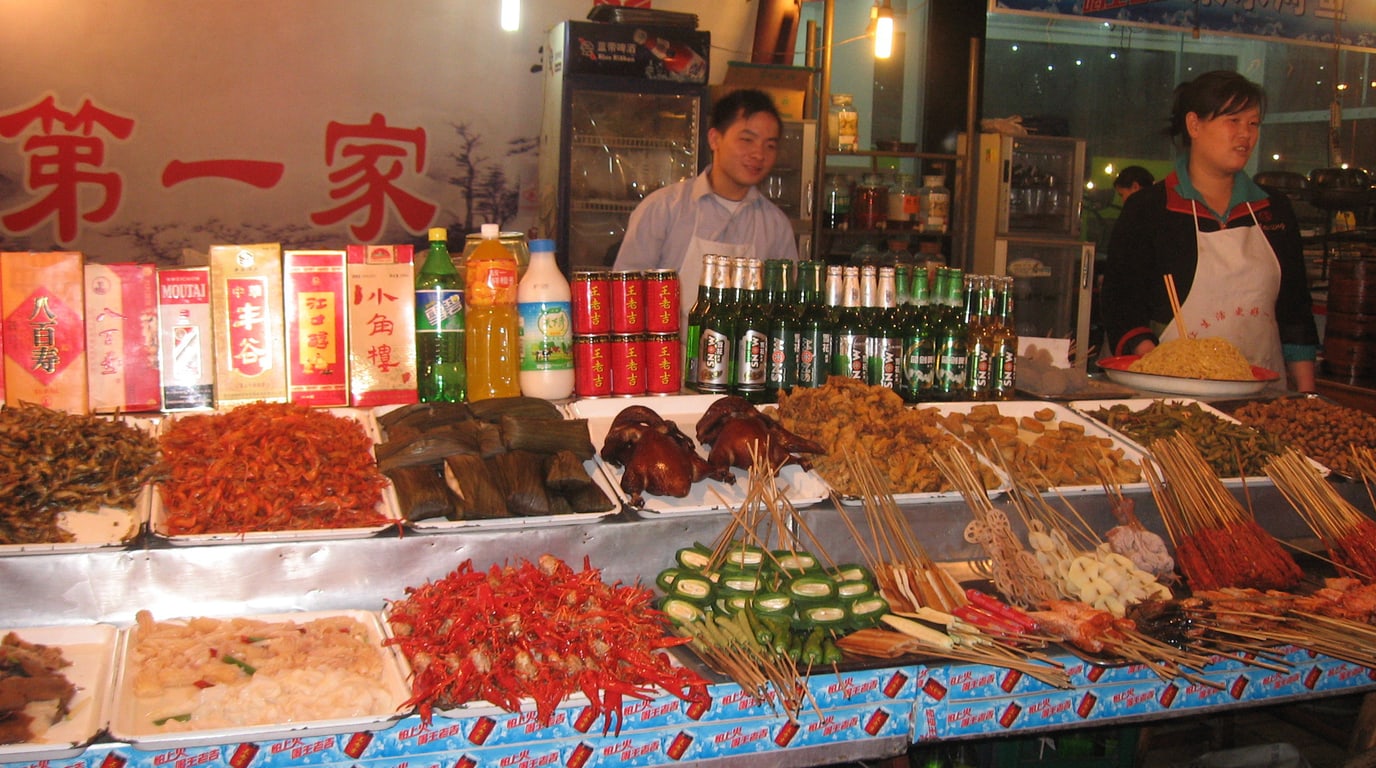
Resolve seafood and viral cafes at storefront level
“Zhongshan Road snacks,” “Shapowei cafe,” “Gulangyu tea,” and “Xiamen seafood” are discovery labels, not map identities. Save the Chinese storefront, branch, and current hours; for seafood, confirm species, live or frozen status, unit price, weight, cooking charge, and the total before cooking. Oyster, shellfish, peanut, sesame, broth, and shared-oil questions require dish-level clarification. An Instagram or TikTok clip becomes a pin only when its sign, caption, receipt, or location tag resolves the exact venue.